




Olympic National Park contains a wide variety of fish habitats and fish assembleges from the to freshwater lake fish, the marine fish and shellfish off the coast, or the anadromous fish which migrate from freshwater rivers to the ocean and back. If rivers are the veins of Olympic National Park, then salmon are the blood coursing through them, delivering essential nutrients from the sea to freshwater and forest ecosystems. The park, with its abundant rainfall and snowy mountains, hundreds of lakes and streams, 10 major rivers and the Pacific Ocean, provides habitat for 37 species of native fish. Unique Fish Select a Park:Select a Species Category (optional):
Search results will be displayed here.
Source: NPS DataStore Saved Search 5669 (results presented are a subset). To search for additional information, visit the NPS DataStore. |
 |

Fishing Regulations
Olympic National Park supports some of the most extensive runs of wild salmon, trout, and char remaining in the Pacific Northwest. 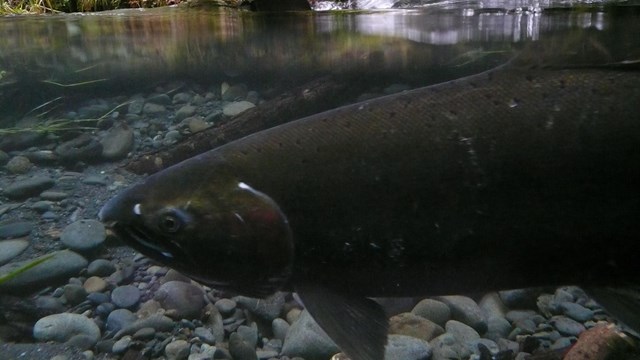
Catch and Release Fishing
Catch and release fishing improves native fish populations by allowing more fish to remain and reproduce in the ecosystem. Learn more here! 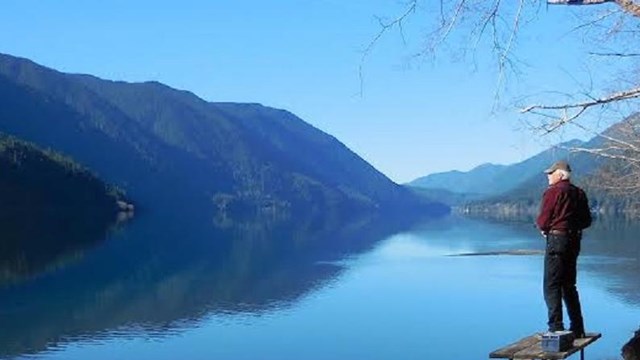
Fishing in National Parks
Find more information about fish and fishing in national parks nationwide. 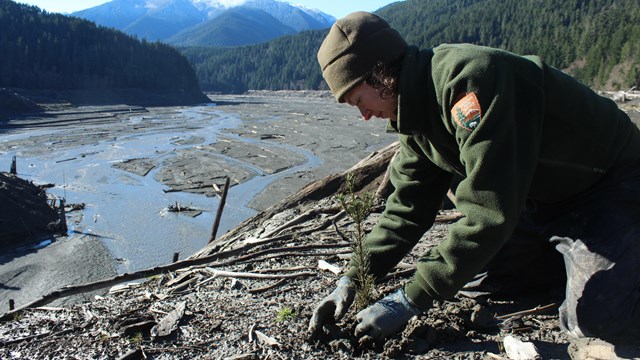
Elwha River Restoration
Discover the history and science of the largest dam removal in U.S. history. 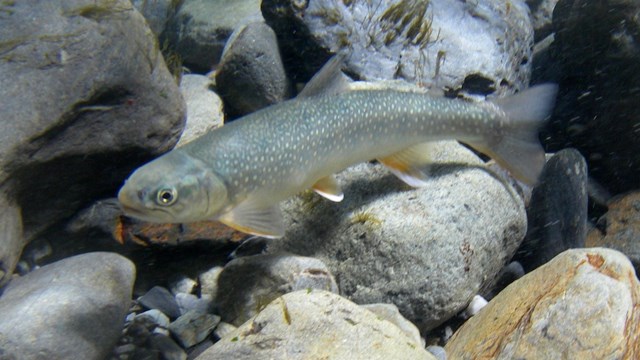
Anadromous Fish
Several species of anadromous fish - fish that migrate from freshwater rivers to the ocean and back - can be found in Olympic National Park. |
Last updated: March 27, 2025