




NPS Photo Olympic National Park and its surroundings are home to a wide variety of wildlife. Just offshore, whales, dolphins, sea lions, seals, and sea otters feed in the Pacific Ocean. Some occasionally haul out on the coast to rest or moult. Invertebrates of countless shapes, sizes, colors and textures inhabit the tide pools. On land, some species, like raccoons, beaver and mink, live mostly in the lowlands and salamanders, frogs, and toads are to be found in the wetlands. Others, like deer, elk, cougars and bears, range from valleys to mountain meadows. Some, like the Olympic marmot only live in the high alpine. Park lakes, streams, and rivers are home to some of the healthiest runs of Pacific salmon outside of Alaska. Over 300 species of birds live in the area at least part of the year, from tiny penguin-like rhinoceros auklets offshore to golden eagles soaring over the peaks. A Unique CommunityThe wildlife community of the isolated Olympic Peninsula is also unique. This community is noteworthy not only for its endemic animals (found only here), but also for species missing from the Olympics, yet found elsewhere in western mountains. Pika, ptarmigan, ground squirrels, lynx, red foxes, coyotes, wolverine, grizzly bears, bighorn sheep and historically, mountain goats, did not occur on the Olympic Peninsula. Meanwhile, endemic species like the Olympic marmot, Olympic snow mole and Olympic torrent salamander are found here and nowhere else in the world! The park is a rare refuge for species dependent on old growth forests, including some species protected under the Endangered Species Act. Olympic provides one of the last remaining large tracts of intact primeval forest in the lower 48 states. These moist forests provide essential habitat for federally threatened and endangered species, such as wild salmon, northern spotted owls, marbled murrelets and a variety of amphibians. Select a Park:Select a Species Category (optional):
Search results will be displayed here.
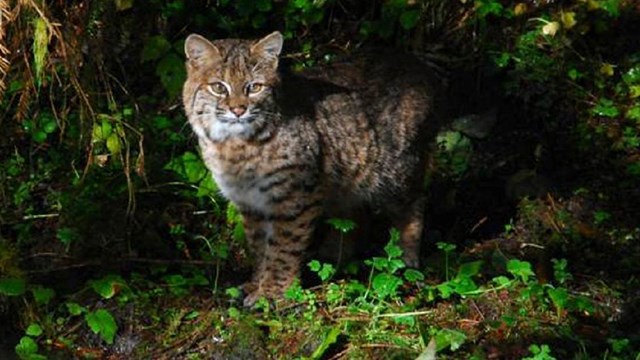
Terrestrial Mammals
Olympic National Park is home to 62 land-based mammal species. 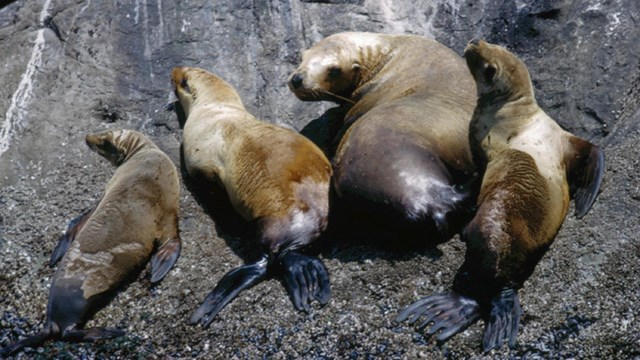
Marine Mammals
The cold northern Pacific Ocean on the Olympic Coast provides a rich feeding ground for 29 marine mammal species. 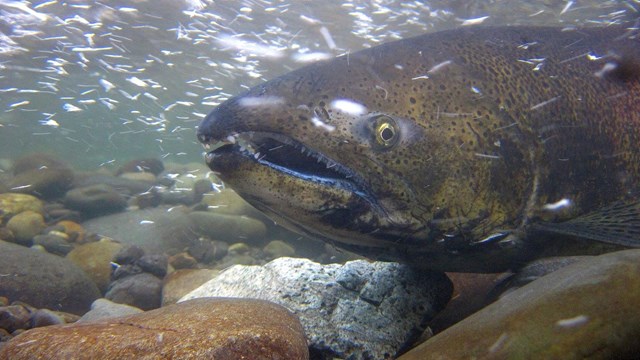
Fish
Olympic National Park's 10 major rivers and the Pacific Ocean provide habitat for 37 species of native fish. 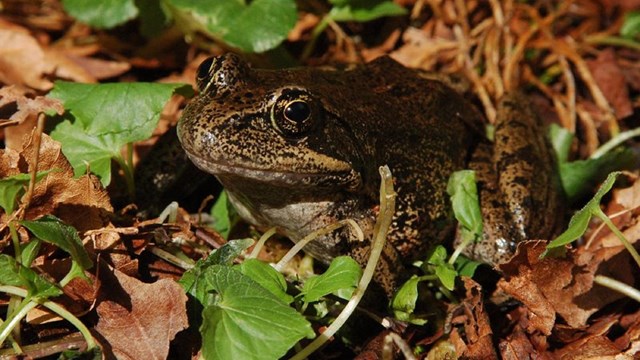
Amphibians and Reptiles
The ponds, lakes, streams and forests of Olympic National Park provide the ideal habitat for 13 species of frogs, toads, and salamanders. 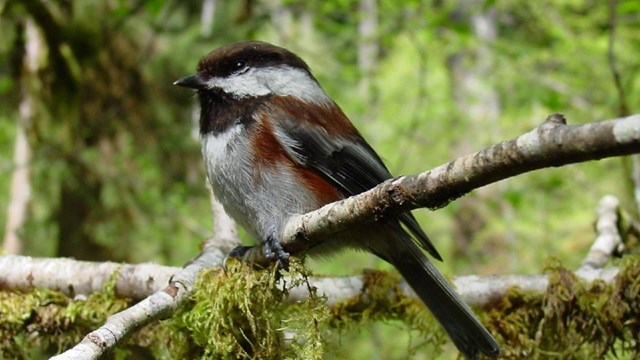
Birds
About 300 bird species add color and song to the diverse habitats found in Olympic National Park. 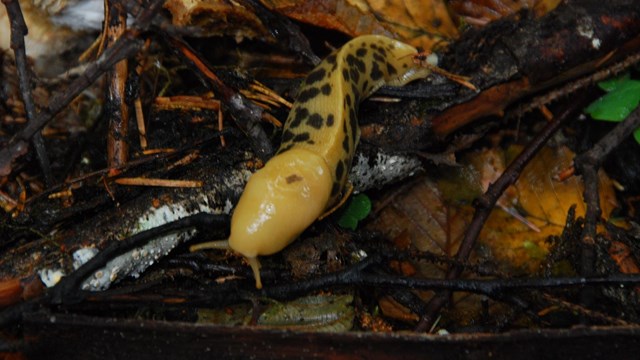
Invertebrates
Thousands of invertebrates, including starfish and slugs, call the Olympic Peninsula home. 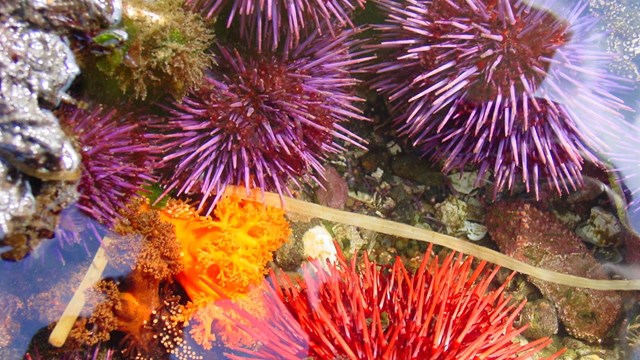
Life in Olympic's Tidepools
Discover the underwater world at Olympic National Park's tidepools! 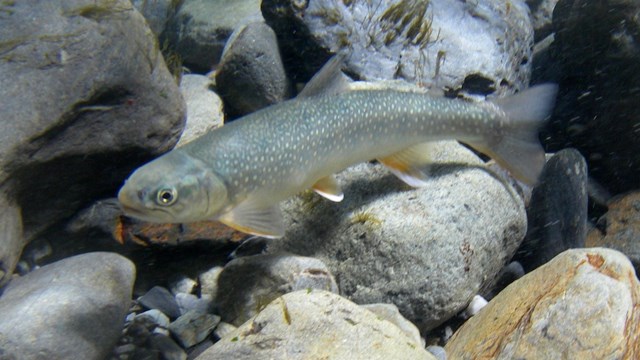
Anadromous Fish
Several species of anadromous fish - fish that migrate from freshwater rivers to the ocean and back - can be found in Olympic National Park. 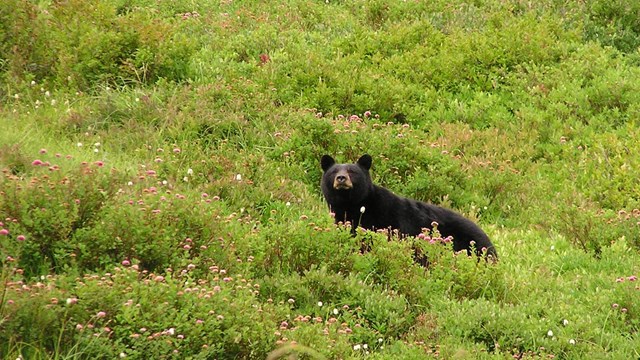
Safety around wildlife
A wildlife sighting can be the highlight of your trip, but do you know the best ways to stay safe? 
Ethical Wildlife Viewing
Animals in parks are wild—Visitors are responsible for their own safety and for the safety of the animals, too. 
Wildlife and Natural Processes
Learn more about how Wildness, or natural processes, are an important part of Olympic National Park. |
Last updated: July 3, 2025