An official website of the United States government
Here's how you know
Official websites use .gov A
.gov website belongs to an official government
organization in the United States.
Secure .gov websites use HTTPS A
lock (
) or https:// means you've safely connected to
the .gov website. Share sensitive information only on official,
secure websites.
The Wanderer shipwreck draws a crowd as it rests on rocks near shore, with onlookers observing efforts to assess and assist the stranded vessel.
Photo Courtesy New Bedford Whaling Museum
Discover the Rich History and Culture of New Bedford
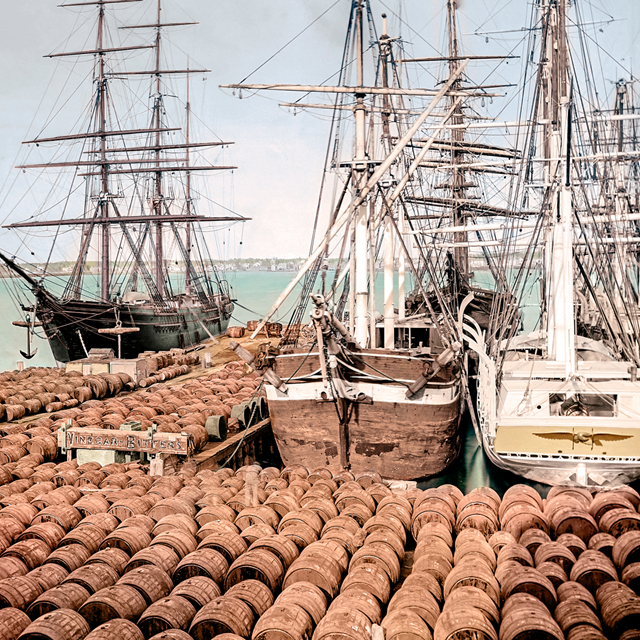
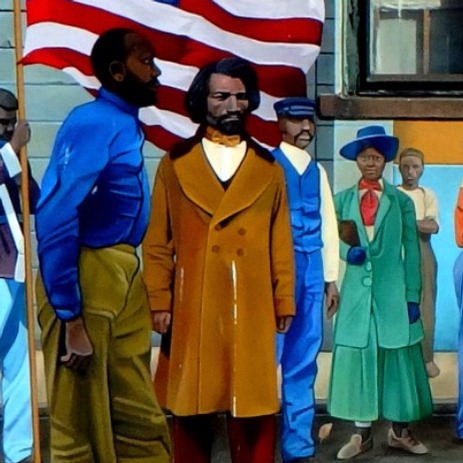
Step into New Bedford, famously known as the "City that Lit the World," where history and culture converge into a powerful and inspirational story. While the city earned its reputation as the heart of the 19th-century whaling industry, its stories go far beyond the whaling ships. Here, you'll uncover the courageous efforts of those involved in the Underground Railroad, understand why immigration brought diverse global communities to its shores, and how the rise of a vibrant textile industry shaped its economic future.
Explore the evolution of commerce, industry, and human rights that have left lasting marks on the city's character and community. Each chapter of New Bedford's past tells a story of resilience, innovation, and cultural fusion. Whether you're passionate about maritime history, civil rights, or the industrious spirit that built the city, there’s much to discover.
Click through the tabs below to embark on a journey through New Bedford’s extraordinary heritage, where every corner holds a piece of history waiting to be explored.
508-996-4095
To reach the New Bedford Whaling National Historical Park, you can contact us by phone at (508) 996-4095. Whether you have questions about visiting the park, upcoming events, or general information, our team is available to assist you during our regular business hours. We look forward to helping you make the most of your visit!