An official website of the United States government
Here's how you know
Official websites use .gov A
.gov website belongs to an official government
organization in the United States.
Secure .gov websites use HTTPS A
lock (
) or https:// means you've safely connected to
the .gov website. Share sensitive information only on official,
secure websites.
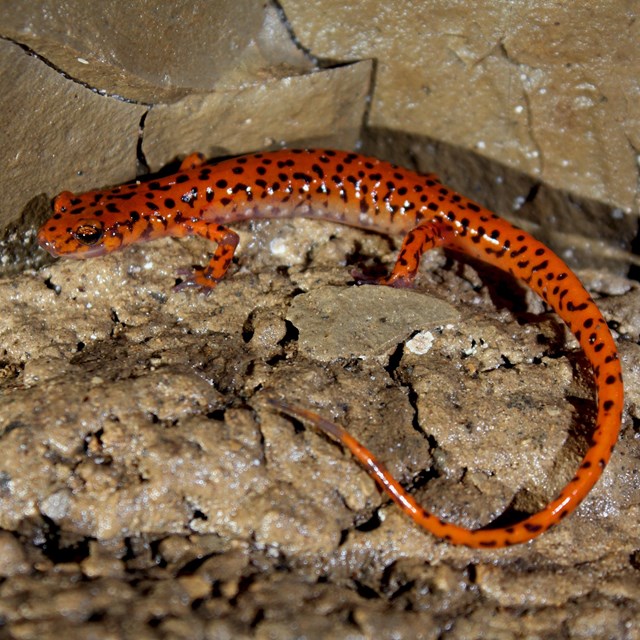
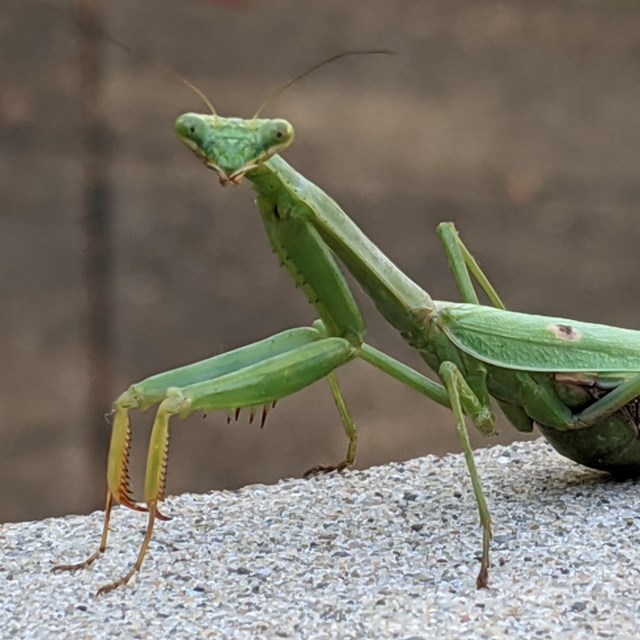
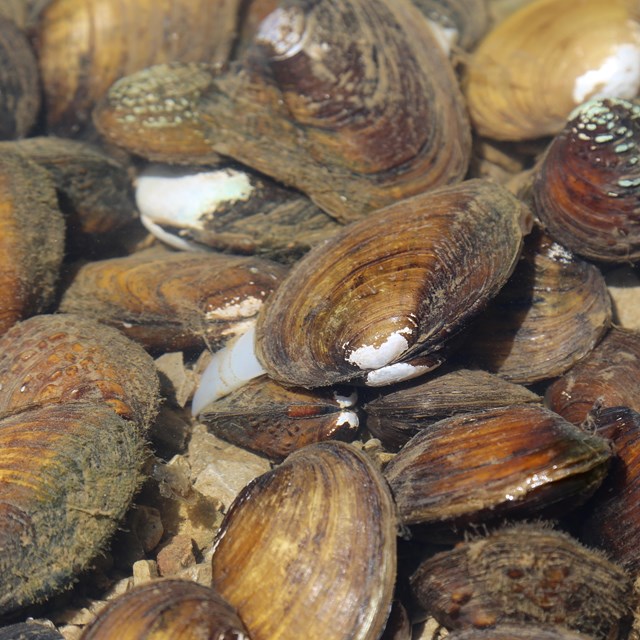
Mammoth Cave National Park is home to a variety of birds, crustaceans, fish, insects, mammals, mussels, plants and reptiles. These animals thrive in the lush forests, waterways, and cave systems found throughout the park. This includes over 70 species that are classified as threatened, endangered, or state listed such as the Kentucky cave shrimp and sheepnose mussel.
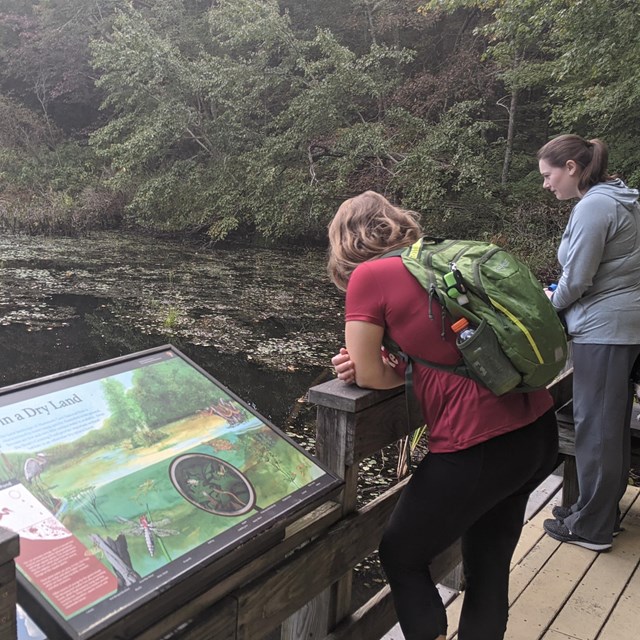
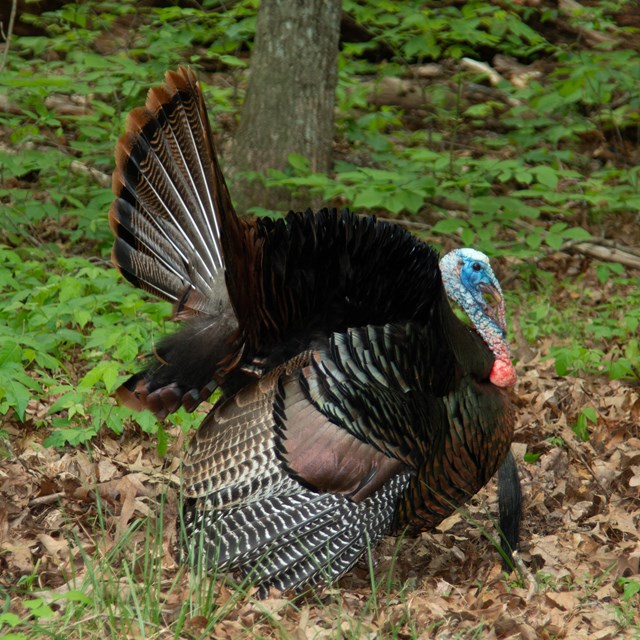
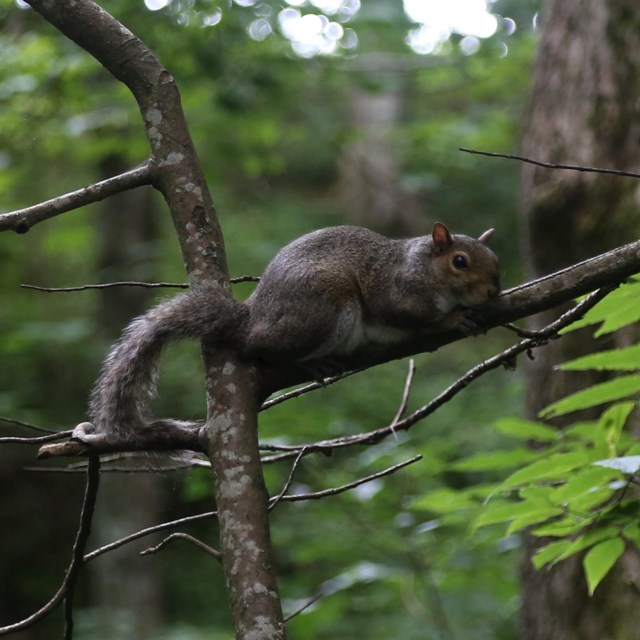
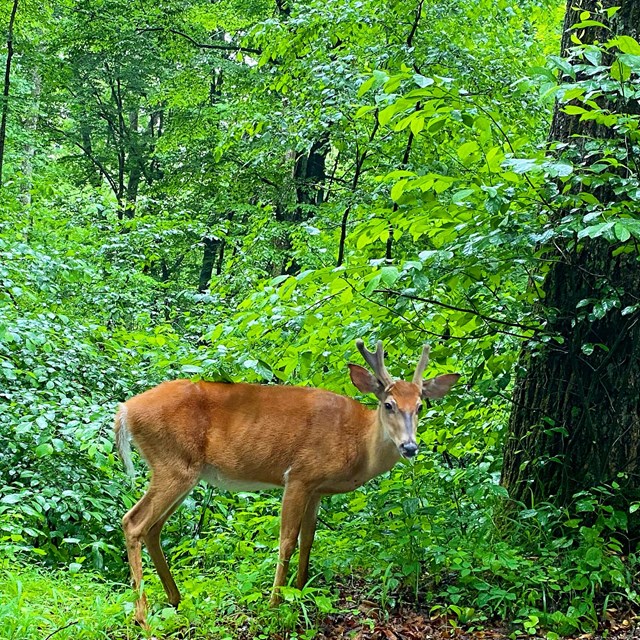
Park visitors may safely observe animals such as eastern gray squirrels, songbirds, snakes, salamanders, beetles, freshwater fish, and many more as they hike, bike, or paddle along the surface trails and waterways. Both wild turkey and white-tailed deer are common sights along roadways in the park, so make sure to keep an eye out as you drive through.
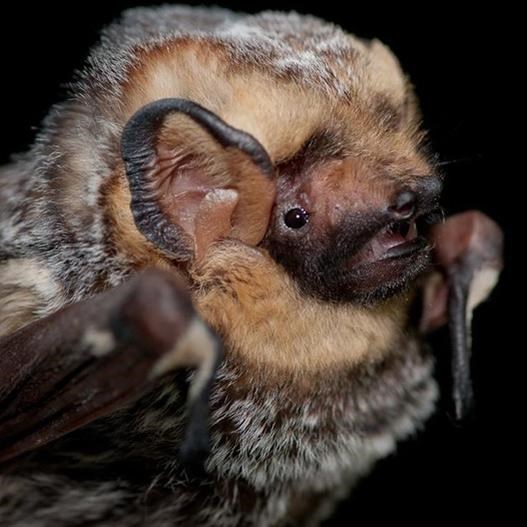
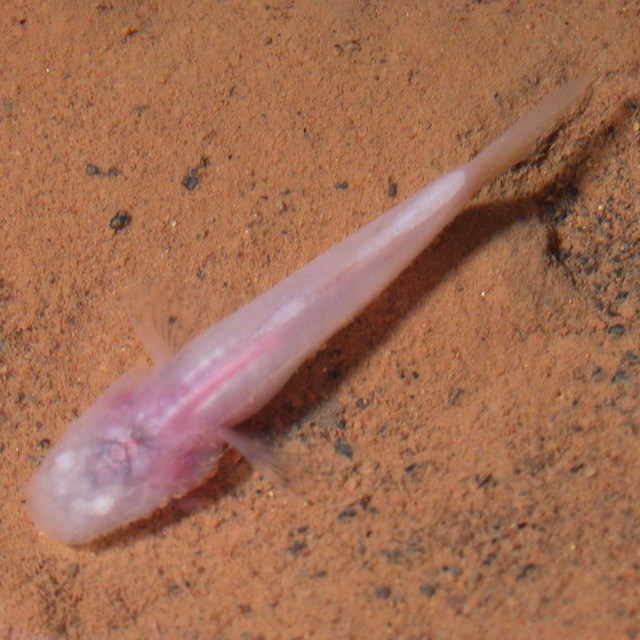
Meanwhile, hundreds of feet below the Earth’s surface, nearly 160 animal species live as regular inhabitants within the cave system itself. Animals such as cave crickets, Allegheny woodrats, and Rafinesque big-eared bats have developed special qualities and senses to use the dark and damp cave passageways for their survival. Some of these animals, like the eyeless cave fish and crayfish, may never experience the light of day.
Learn more about the myriad of animals that call Mammoth Cave National Park home by exploring the pages below.