



|
A visit to Lake Clark National Park and Preserve carries some inherent risk. Adventures in this remote and isolated area demand self-sufficiency. Preparation can make the difference between the adventure of a lifetime and tragedy. Remember, help may be days away. 
NPS / J. Mills Self Sufficiency and Preparation Have a Trip Plan There is no cell phone service in the park, and amenities are few and far between. Consider carrying a satellite phone or satellite based text messaging device with you. Prepare for Inclement Weather Snow is possible at any time but most likely to occur from September to June. Bring warm clothing, a sturdy tent, and an appropriate sleeping bag. Park Safety Topics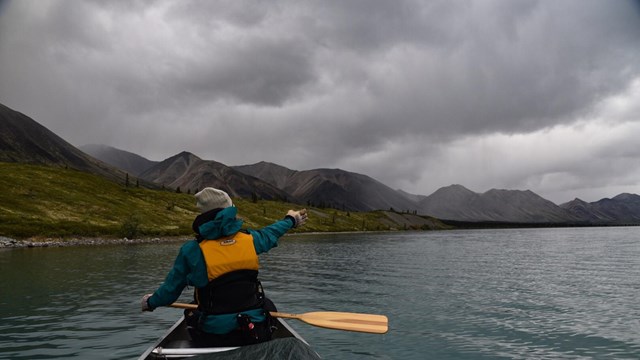
Park Weather
Weather conditions can change rapidly in the park. Brush up on all things weather-related. 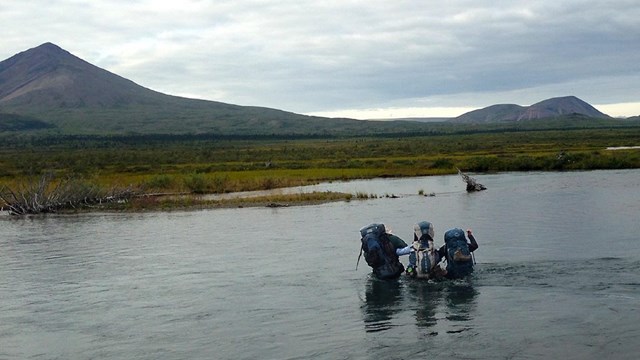
Safe River Crossings
There are no bridges in Lake Clark. Although fording wild rivers presents many challenges, it is also part of true wilderness hiking. 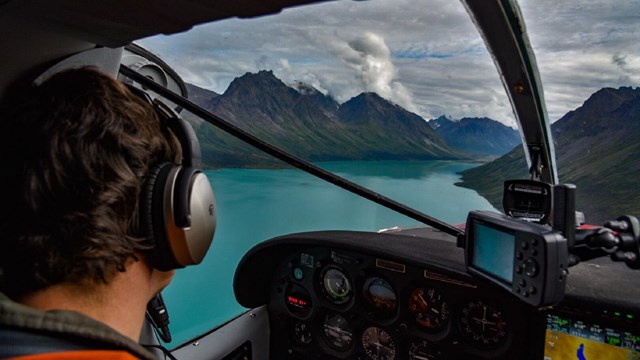
Aviation Safety
Most visitors travel to Lake Clark via small plane. Safety in this remote place depends on more than just a pilot's skill. 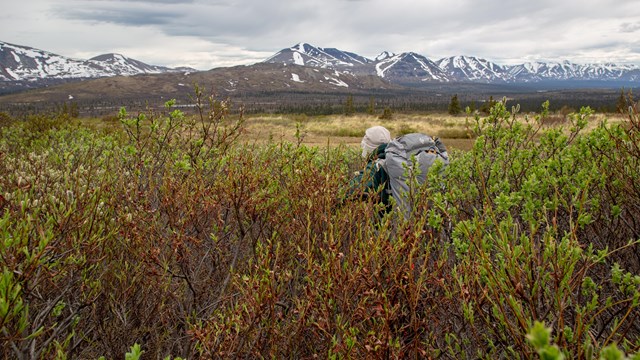
Backpacking in Alaska
Get acquainted with what makes backpacking in Alaska unique and familiarize yourself with these backcountry tips before you plan your trip. Bear Country Basics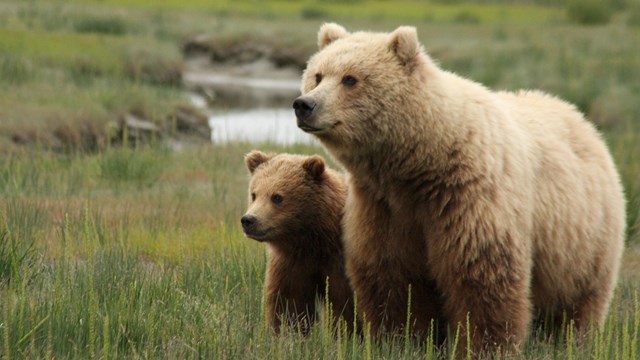
Staying Safe in Bear Country
Bears and people use the same areas in Lake Clark. Become familiar with these tips for staying safe in bear country prior to your trip. 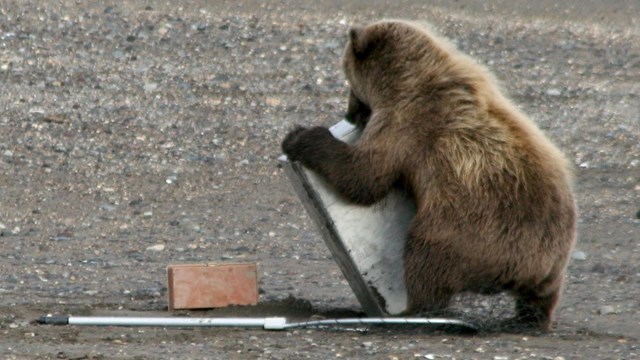
Lake Clark's Food Storage Requirements
Know how to properly store your food, toiletries, and fish prior to arriving in Lake Clark. 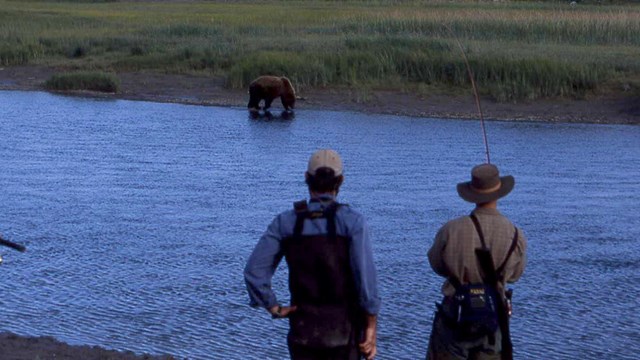
Fishing in Bear Country
Familiarize yourself with the responsibilities that come with fishing in bear country prior to your trip to Lake Clark. 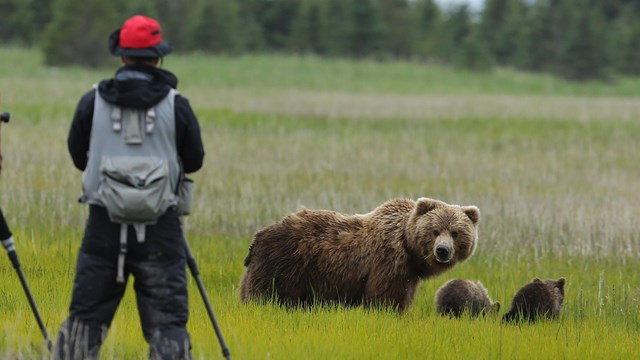
Brown Bear Viewing in Lake Clark
Watch "A Day on the Lake Clark National Park Coastline," learn where to go see bears, & become familiar with bear viewing best practices. |
 |
|
Last updated: December 13, 2018