
Skip to SearchSkip to NavigationSkip to BodySkip to Footer
National Park Service LogoU.S. Department of the InteriorNational Park ServiceNational Park Service
National Park Service:  U.S. Department of the InteriorNational Park Service Arrowhead
Lava Beds National Monument Blue Grotto cave, Lava Beds National Monument
view map
text size: largest larger normal
printer friendly

Welcome to Lava Beds

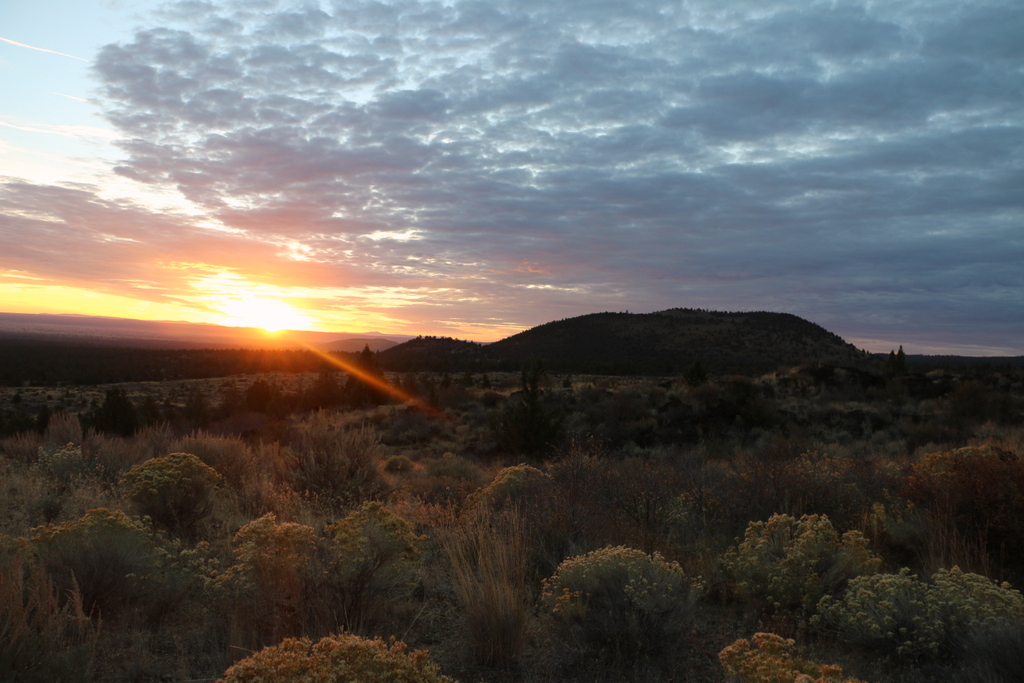
Lava Beds National Monument is a land of turmoil, both geological and historical. Over the last half-million years, volcanic eruptions on the Medicine Lake shield volcano have created a rugged landscape dotted with diverse volcanic features. More than 700 caves, Native American rock art sites, historic battlefields and campsites, and a high desert wilderness experience await you! 


The Modoc War

During the Modoc War of 1872-1873, a small band of Modoc Indians used an intimate knowledge of their homeland's terrain to their tactical advantage. Under the leadership of Kintpuash (Captain Jack), the Modocs took refuge in "Captain Jacks Stronghold," a natural lava fortress. From here the Modocs held off US Army forces numbering up to ten times their strength for five months. At sites throughout the monument, you can contemplate this clash of cultures.
more...
 
Exploring a lava tube cave

Lava Tube Caves

One of the most exciting things to do at the Lava Beds is to visit lava tube caves. Though many are hidden in the wilderness, some caves have ladders and trails, and vary from easy walks to strenuous excursions. Temperate and moist year round, caves are often very different from the outside world, forming “micro-climates” full of fascinating life such as bats, ferns, and sparkling bacteria.


Nature & Science

From bats to birds, caves to cinder cones, the Lava Beds are a natural wonder full of amazing wildlife and unique geology. These textbook examples of volcanic formations will amaze even the most experienced rock-hound. This incredible landscape is also home to a great diversity of life, including plants and animals that thrive only in caves or nearby cave collapse trenches.


more...


Write to

P.O. Box 1240
Tulelake, CA 96134

E-mail Us

Phone

General Information
(530) 667-8113

Administration
(530) 667-8102

Fax

(530) 667-2737

Climate

The weather in northeastern California is particularly unpredictable and visitors should be ready for all conditions throughout the year. However, summers are generally sunny and warm while winters are cold with below-freezing nights and occasional snow. Visitors should always have warm clothing, sturdy boots, gloves, and protective headgear available if they plan to visit the lava tube caves.
more...
Skip to SearchSkip to NavigationSkip to BodySkip to Footer
Sickle-pod rockcress

Did You Know?
Sickle-pod rockcress (Arabis sparsiflora) is a common spring flower in rocky areas of the monument. It gets its name from the long, curved, sickle shaped seed pods that form along the flower stalk as its blooms mature.

Last Updated: October 31, 2011 at 15:48 MST

CANCEL

You are exiting the National Park Service website

Thank you for visiting our site.

You will now be redirected to:

We hope your visit was informative and enjoyable.