-
GPS Users
Using GPS to find your way to Hovenweep is not recommended. Since Hovenweep has 6 different units with numerous paved and dirt roads intesecting each other, GPS will send visitors to unknown locations other than to the park. Using a map is recommended.
Masonry that has stood for centuries
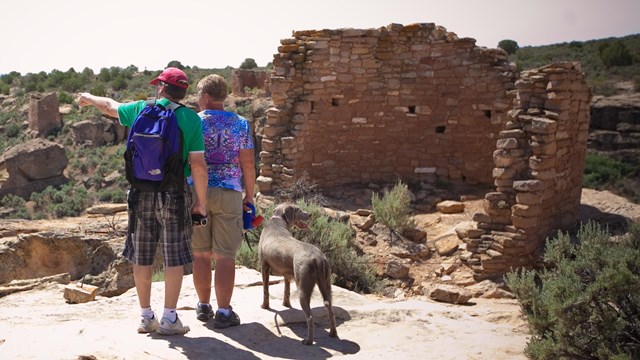
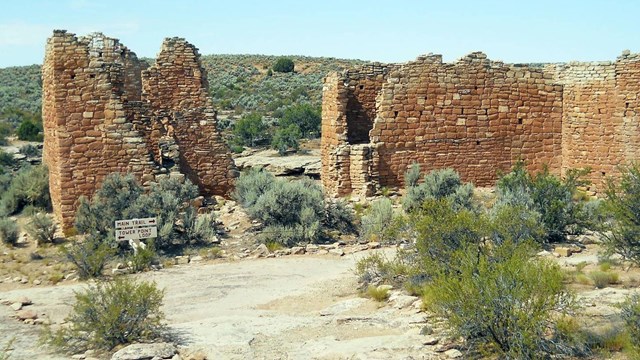
Once home to over 2,500 people, Hovenweep includes six prehistoric villages built between A.D. 1200 and 1300. Explore a variety of structures, including multistory towers perched on canyon rims and balanced on boulders. The construction and attention to detail will leave you marveling at the skill and motivation of the builders.
Read MoreFeatures
-
Explore Hovenweep
Start your visit at the Square Tower Group, the base camp for Hovenweep. From there, a short drive will take you to the other villages.
Read More -
Connect with Us
Your visit doesn't have to end when you leave, and it can begin before you arrive! Join us on Facebook and become part of our online community.
Read More -
What's in a Name?
To the Utes & Paiutes, "Hovenweep" means "Deserted Valley." Pioneer photographer William Henry Jackson adopted this name during a visit in 1874.
Read More -
Outdoor Classroom
Our outdoor education program leads local school groups on field trips throughout the area. Join the fun and download our teachers' guides.
Read More -
Art in the Parks
Our Artist in the Parks program connects local artists to the inspiring landscapes of National Parks and Monuments in southeast Utah.
Read More -
Meet our new Friends
The Bates Wilson Legacy Fund honors a former Arches superintendent and provides direct support to the National Parks and Monuments of southeast Utah.
Read More
Did You Know?
Most of the structures at Hovenweep were built from A.D. 1230 to 1275, about the same time as the cliff dwellings at Mesa Verde National Park. Growth rings on a wooden beam in Hovenweep Castle show the log was cut in A.D. 1277, one of the latest dates in the region.