




NPS Photo/C. Adams Grand Teton National Park is home to a wide variety of bird species. Birds can be found throughout the park, but knowing their habitat helps know where to see them. Be a Responsible BirderNesting birds of all species are easily disturbed. If an adult on a nest flies off at your approach, circles you, or screams in alarm, you are too close to the nest. Unattended nestlings readily succumb to predation or exposure to heat, cold, and wet weather. Good birding areas often attract other wildlife. Remain at least 100 yards from wolves and bears and 25 yards from all other wildlife. Do not position yourself between a female and her offspring. Migratory Bird Conservation ProgramMost of the birds found in the park and parkway are migratory, spending only 3-6 months here each year. Migratory birds are protected while they nest in national parks, but may lose safe nesting sites on other lands due to human activities. Migratory birds also face numerous perils on their long journeys to and from wintering grounds. Human-caused habitat changes fragment forests and remove safe feeding and roosting areas in migration corridors. Birds that migrate to the tropics may lose their winter range due to deforestation. Birdwatchers and scientists alike have become concerned about the future of migratory birds. Show your concern by enjoying birds in your backyard and during your travels. Assist scientists tracking bird population changes by participating in bird counts and surveys such as Christmas Bird Counts, the North American Migration Count, and Breeding Bird Surveys. Find out about the Partners in Flight program in your home state. You can use your interest and knowledge of birds to help assure their future.
Recommended Reading
Birds of Grand Teton National Park and the Surrounding Area features 60 species of birds commonly sighted in Grand Teton National Park, with full color identifying photographs of each bird and each habitat. Also includes individual habitat maps. Photos from leading wildlife photographers in the Jackson Hole area. Best bet on where a bird can be found with local look-alikes and checklist. Additional Grand Teton Information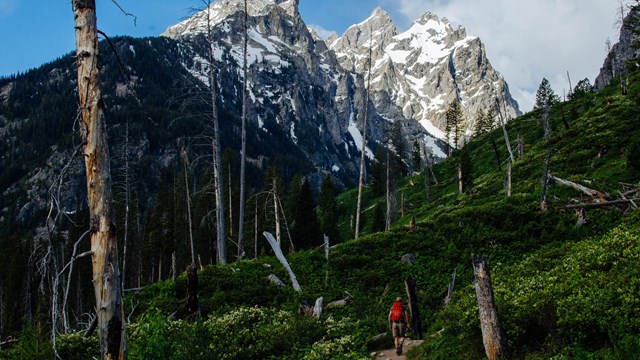
Hike in Grand Teton
Explore hikes throughout Grand Teton National Park. 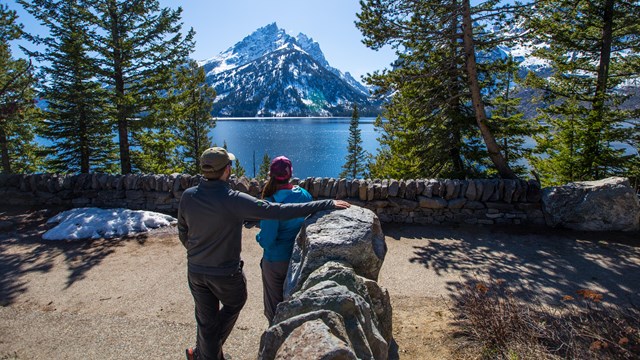
Scenic Drives
Take a scenic drive for spectacular views. 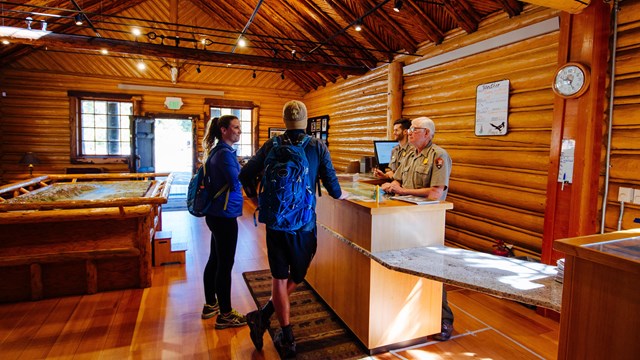
Talk to a Park Ranger
Find a visitor center in Grand Teton. 
Plan Your Visit
Learn more about Grand Teton and plan your trip here. 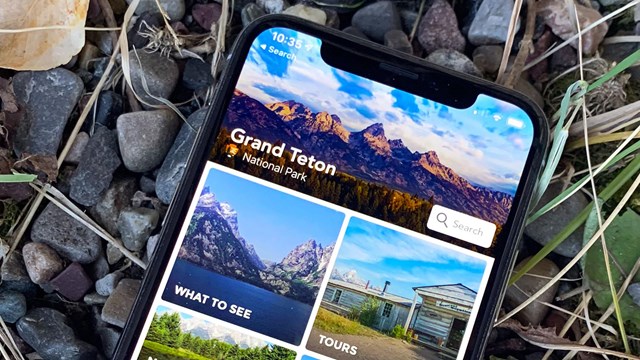
We have an app for that
Download our new app before you get here! Explore Grand Teton and discover places to visit, find a bite to eat, and a place to stay. |
 |
|
Last updated: May 6, 2024