National Park Service LogoU.S. Department of the InteriorNational Park ServiceNational Park Service
National Park Service:  U.S. Department of the InteriorNational Park Service Arrowhead
Great Smoky Mountains National ParkThe park is home to a wondrous diversity of life.
view map
text size:largestlargernormal
printer friendly
Great Smoky Mountains National Park
Webcams
Purchase Knob webcam
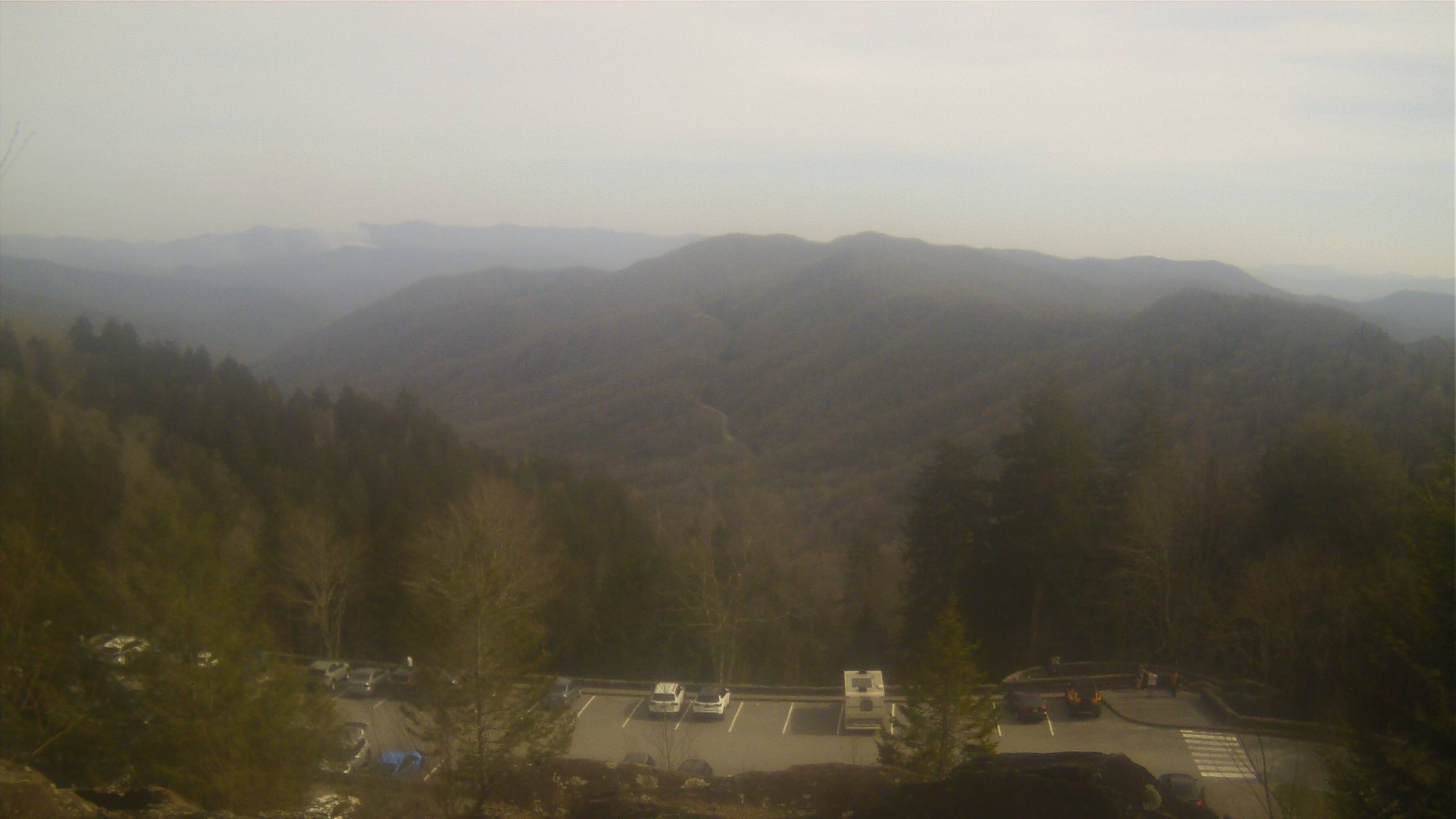
Located on the eastern end on the park, the Purchase Knob webcam offers views to the northeast. Click on image to see the current view from the webcam.
 
Look Rock webcam
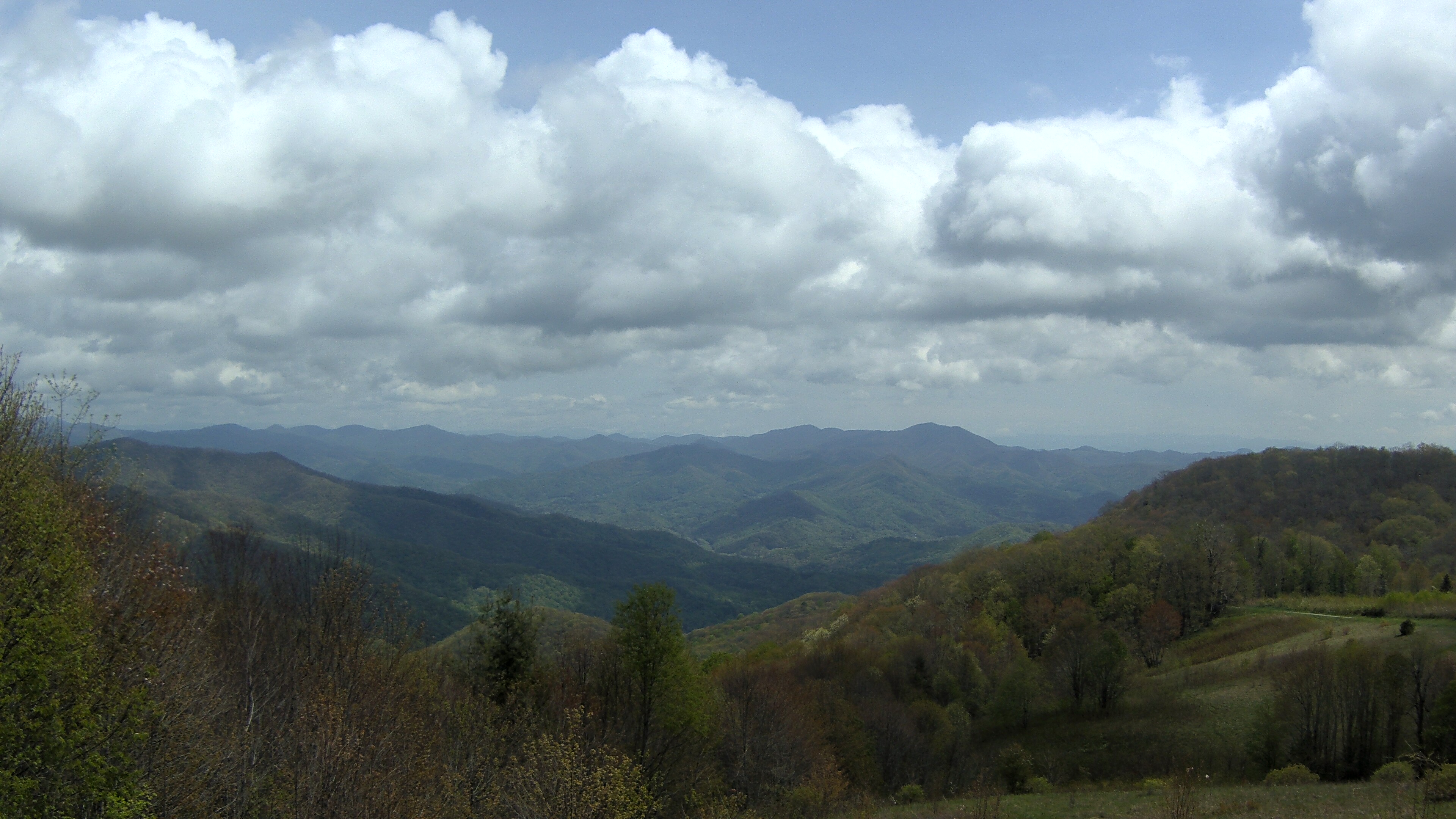
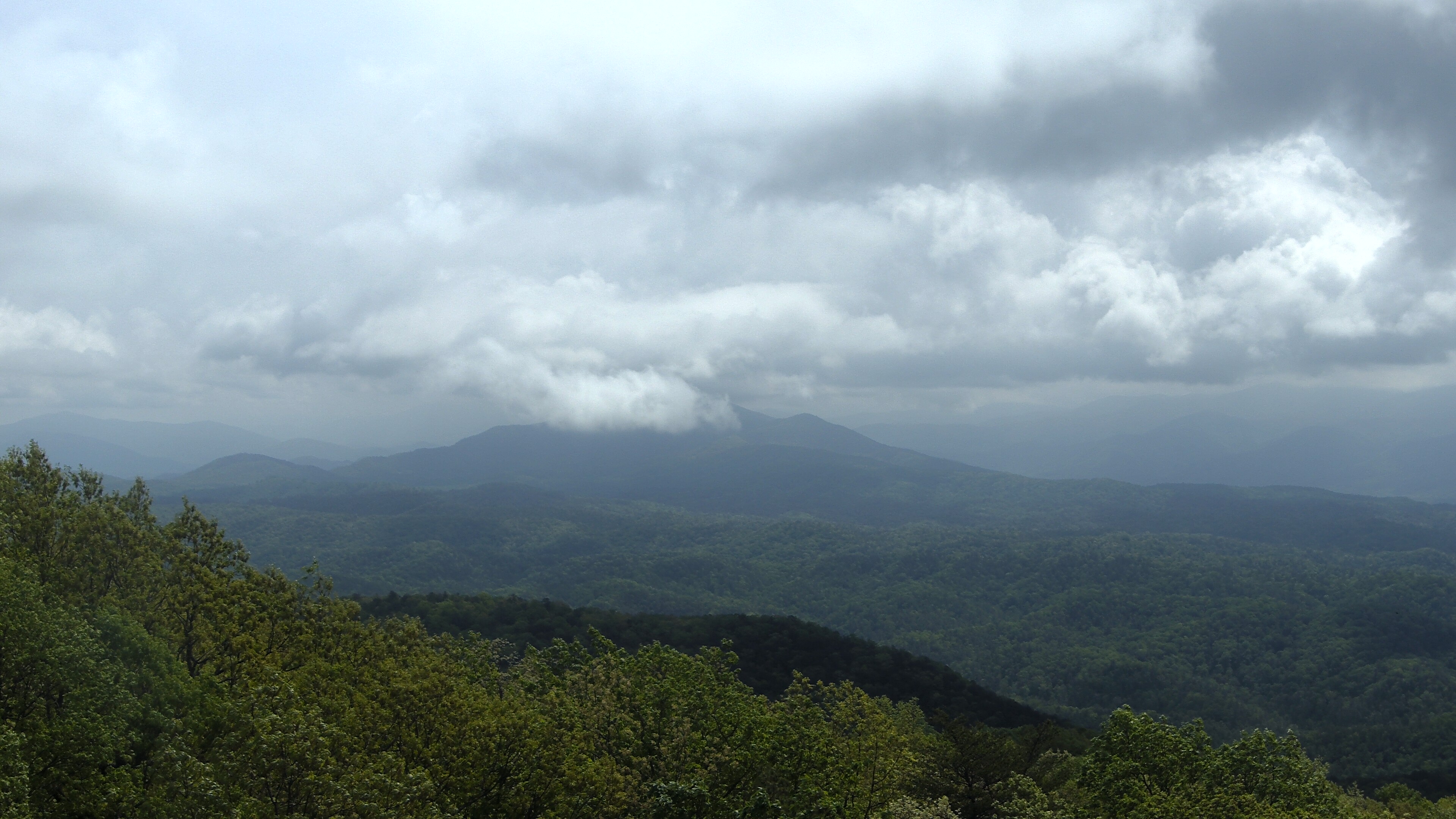
Located on the western edge of the park, this webcam offers views of Mount Le Conte, Clingmans Dome and Cades Cove. Click on the image to see the current view from the webcam.
 

Shrinking Views
Views from scenic overlooks at Great Smoky Mountains National Park have been seriously degraded over the last 50 years by human-made pollution. Since 1948, average visibility in the southern Appalachians has decreased 40% in winter and 80% in summer. These degradations in visibility not only affect how far one can see from a scenic overlook, they also reduce how well one can see. Pollution causes colors to appear washed out and obscures landscape features. Pollution typically appears as a uniform whitish haze, different from the natural mist-like clouds for which the Smokies were named. Learn more about air quality monitoring in the park.

Flame azalea can be found growing on heath balds in the park.  

Did You Know?
The park’s high elevation heath balds are treeless expanses where dense thickets of shrubs such as mountain laurel, rhododendron, and sand myrtle grow. Known as “laurel slicks” and “hells” by early settlers, heath balds were most likely created by forest fires long ago.

Last Updated: June 29, 2009 at 15:52 EST