



Last updated: July 30, 2025
A Wondrous Diversity of Life
Ridge upon ridge of forest straddles the border between North Carolina and Tennessee in Great Smoky Mountains National Park. World renowned for its diversity of plant and animal life, the beauty of its ancient mountains, and the quality of its remnants of Southern Appalachian mountain culture, this is America's most visited national park. Plan your visit today!

Do I Need a Parking Tag?
A parking tag is required to park for longer than 15 minutes.
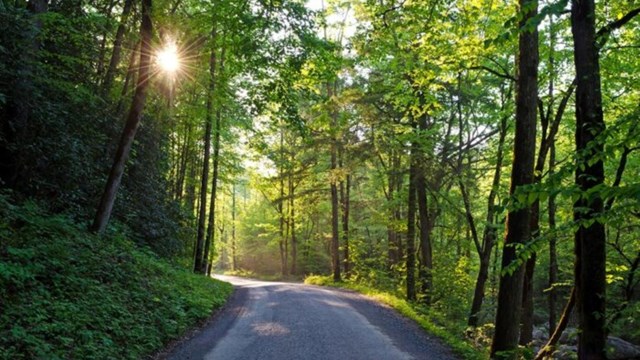
Closures & Alerts
Know the status of the park's roads, facilities, and trails before you go.
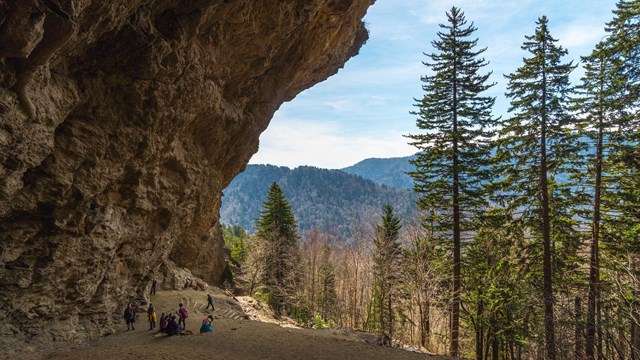
Plan Your Visit
Learn about the many areas of the park and plan ahead for an enjoyable trip.

Frequently Asked Questions
The Smokies most frequently asked questions.
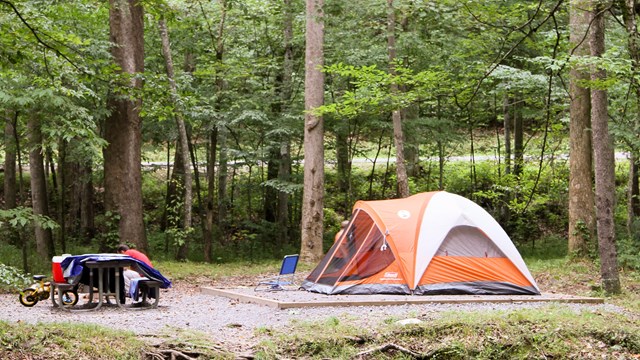
Camping
You can choose from 10 developed campgrounds or head into the backcountry. Your adventure awaits!
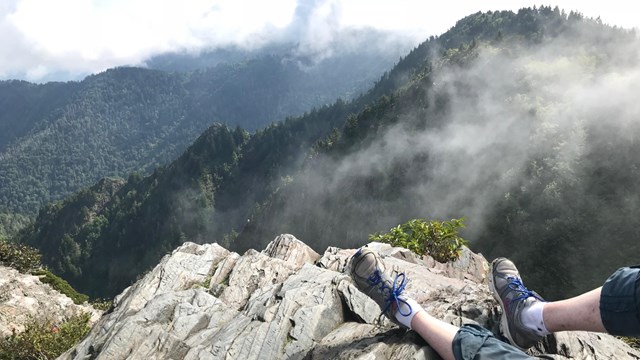
Hiking
Feel the cool spray of a waterfall. Camp under the stars. Explore a historic mill. There's plenty to see and do in the park!

Elk
Elk can often be seen in the early morning and late evening in open areas around the Oconaluftee Visitor Center and in Cataloochee Valley.

Black Bears
Bears in the park are wild and their behavior can be unpredictable. Treat bear encounters with extreme caution!

Kuwohi
Kuwohi name restored to the highest peak (formerly Clingmans Dome).

Cades Cove
A scenic valley surrounded on all sides by mountains south of Townsend, Tennessee. An 11-mile, one-way loop encircles the valley.