




NPS The Cuyahoga River ValleyTwenty-six miles of the Cuyahoga River wind and weave through the Cuyahoga Valley, forming the backbone of Cuyahoga Valley National Park. The river, with its associated riparian habitat, is just one element of the park’s habitat mosaic. From deciduous mixed-mesophytic forests to wetland habitats, from currently cultivated agricultural lands to older field habitats in various stages of succession, the park’s habitats provide opportunities for plants and animals to flourish. 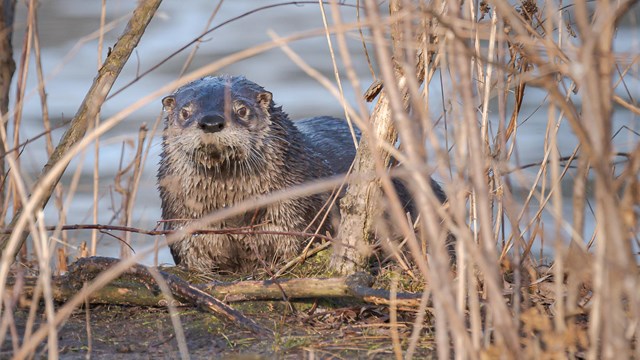
Animals
Discover what animals call Cuyahoga Valley home. 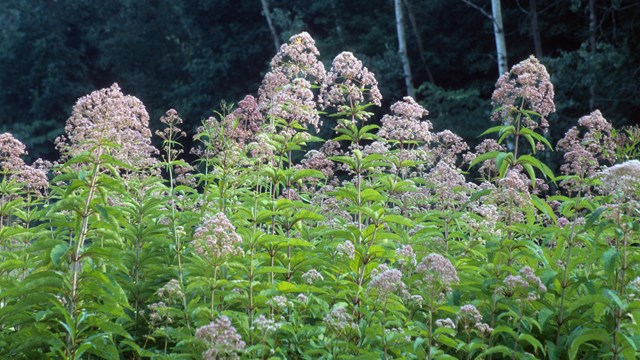
Plants
Learn about the different plant species, able to survive in the park’s diverse habitats. 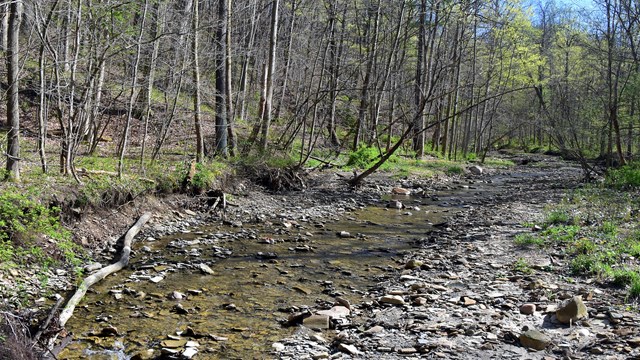
Environmental Factors
The parks proximity to urban areas, long history of use, and high visitation make it vulnerable to a variety of environmental concerns. 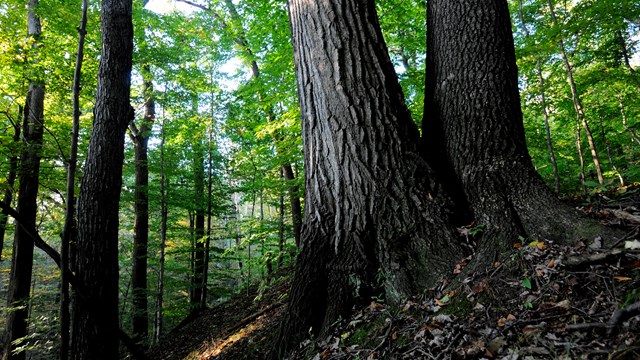
Natural Features & Ecosystems
Learn more about the ecosystems and natural features in the park. 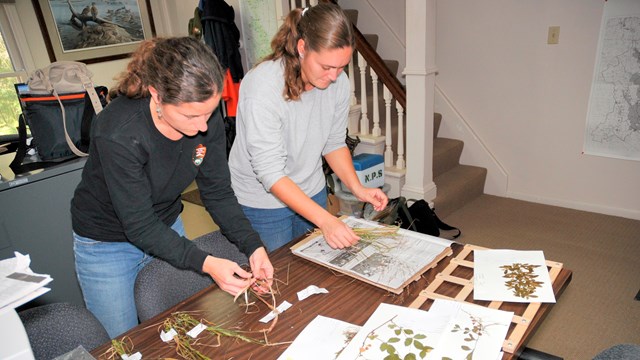
Inventory & Monitoring
Inventory and monitoring builds a strong scientific foundation for the management and protection of natural resources in national parks. Natural History TopicsLearn about the spectacular wildlife, botanical, and astronomical observations occurring each month. A Poetic InventoryThe National Park Service and the Conservancy for Cuyahoga Valley National Park have a long standing partnership with the Wick Poetry Center at Kent State University. Our current collaboration is a Poetic Inventory of all the life forms that make our park their home. This project was inspired by the 2016 Bioblitz held in Cuyahoga Valley as part of the National Park Service Centennial. Science and Research in National ParksIf you are planning a university project and considering doing research in Cuyahoga Valley, permits may be required. Please visit the NPS Research Permit and Reporting System website for more information. For information about science and research across the National Park System, the following websites may be of interest: |
 |
|
Last updated: January 22, 2026