
Skip to SearchSkip to NavigationSkip to BodySkip to Footer
National Park Service LogoU.S. Department of the InteriorNational Park ServiceNational Park Service
National Park Service:  U.S. Department of the InteriorNational Park Service Arrowhead
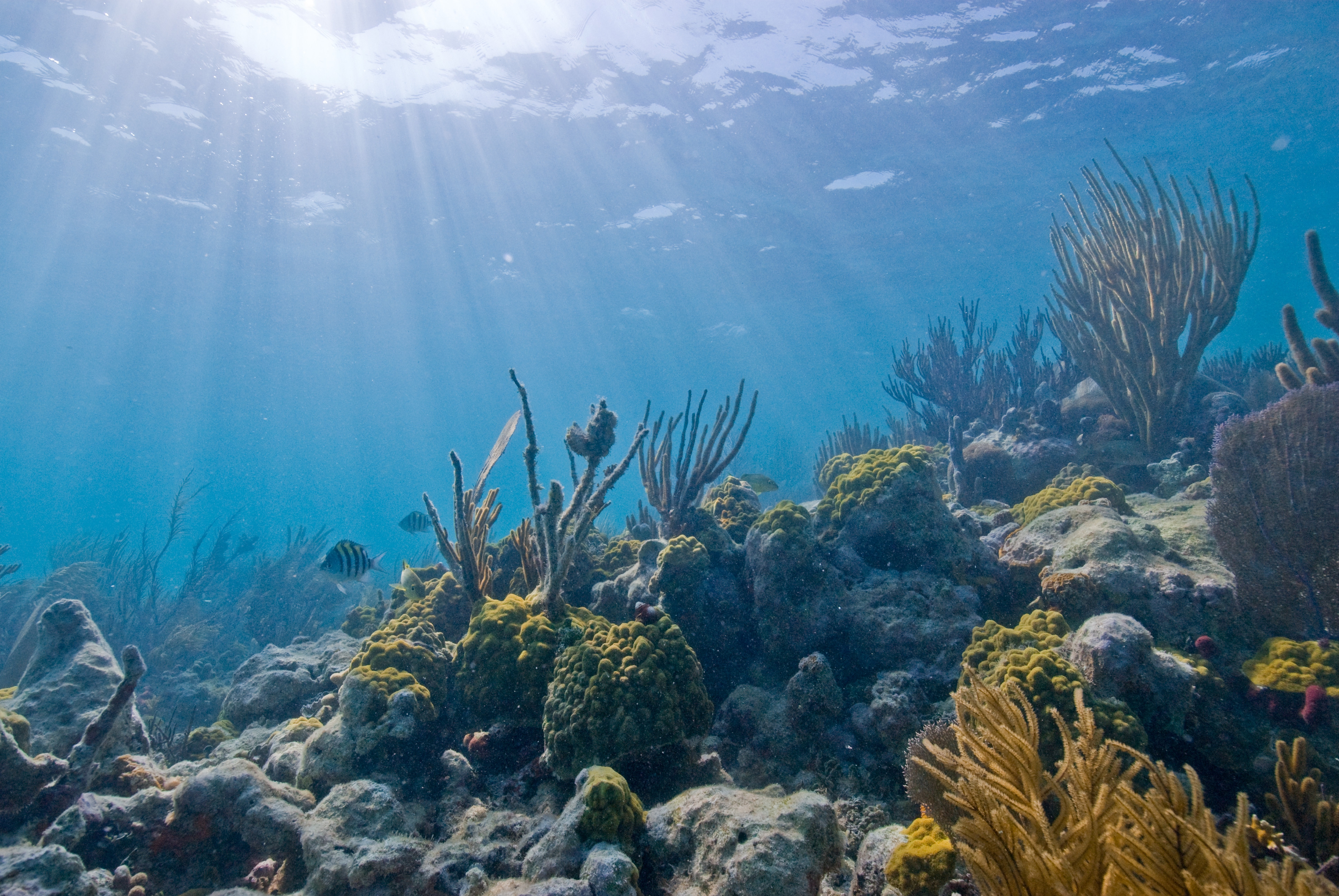
Biscayne National ParkTwo gray angelfish swim past the coral reef.
view map
text size:largestlargernormal
printer friendly

A Watery Wonderland

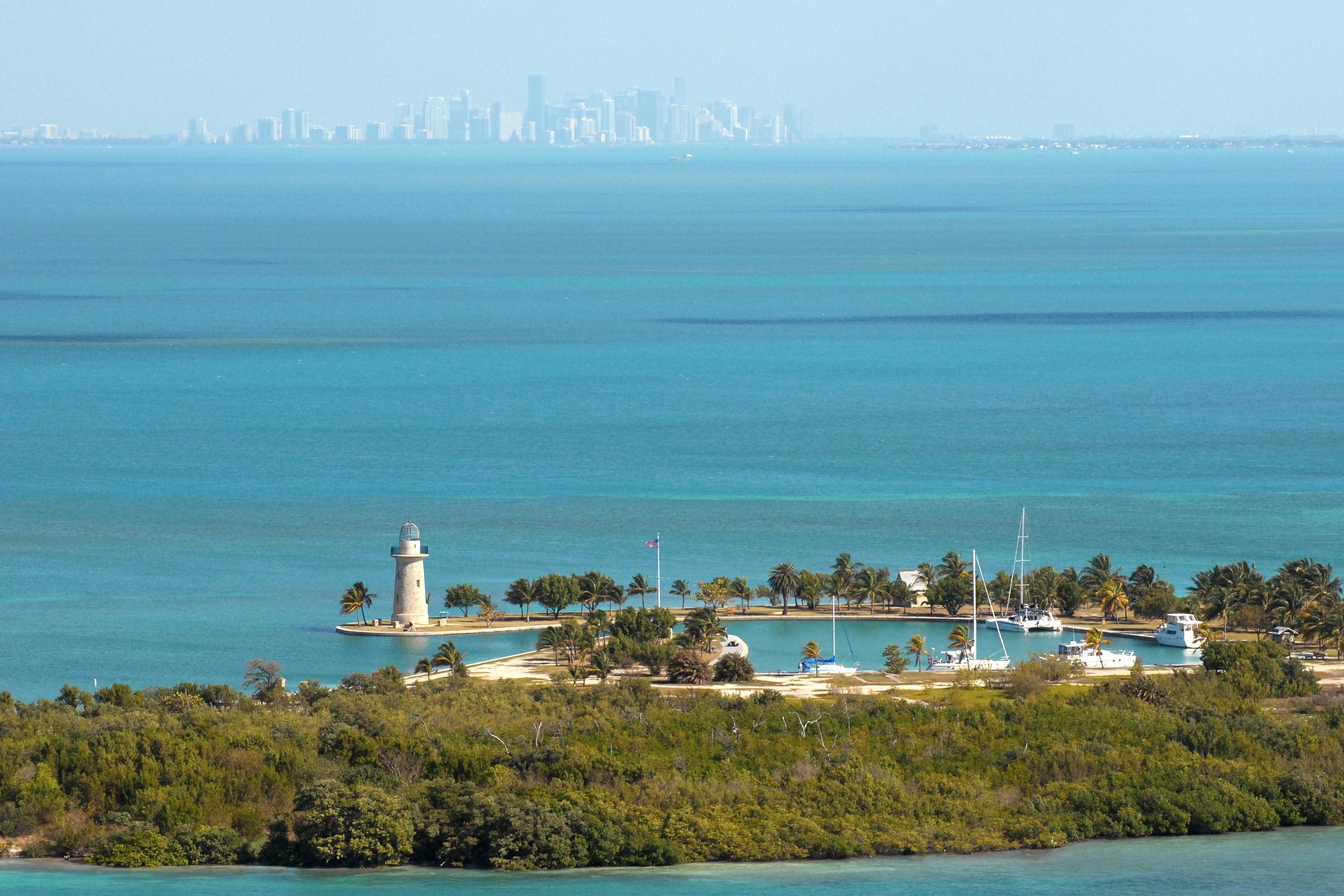
Within sight of downtown Miami, yet worlds away, Biscayne protects a rare combination of aquamarine waters, emerald islands, and fish-bejeweled coral reefs. Here too is evidence of 10,000 years of human history, from pirates and shipwrecks to pineapple farmers and presidents. Outdoors enthusiasts can boat, snorkel, camp, watch wildlife…or simply relax in a rocking chair gazing out over the bay.

 
Lancelot Jones holds a sponge at Caesar Creek.

The National Parks: America's Best Idea

Documentary filmmaker Ken Burns will release his latest project The National Parks: America's Best Idea this fall on public television stations nationwide. One of the stories featured in the 12-hour documentary is that of the fight to protect the area now known as Biscayne National Park. The segment highlights the efforts of park pioneers Lloyd Miller, Juanita Green, Lancelot Jones and others.
more...

 
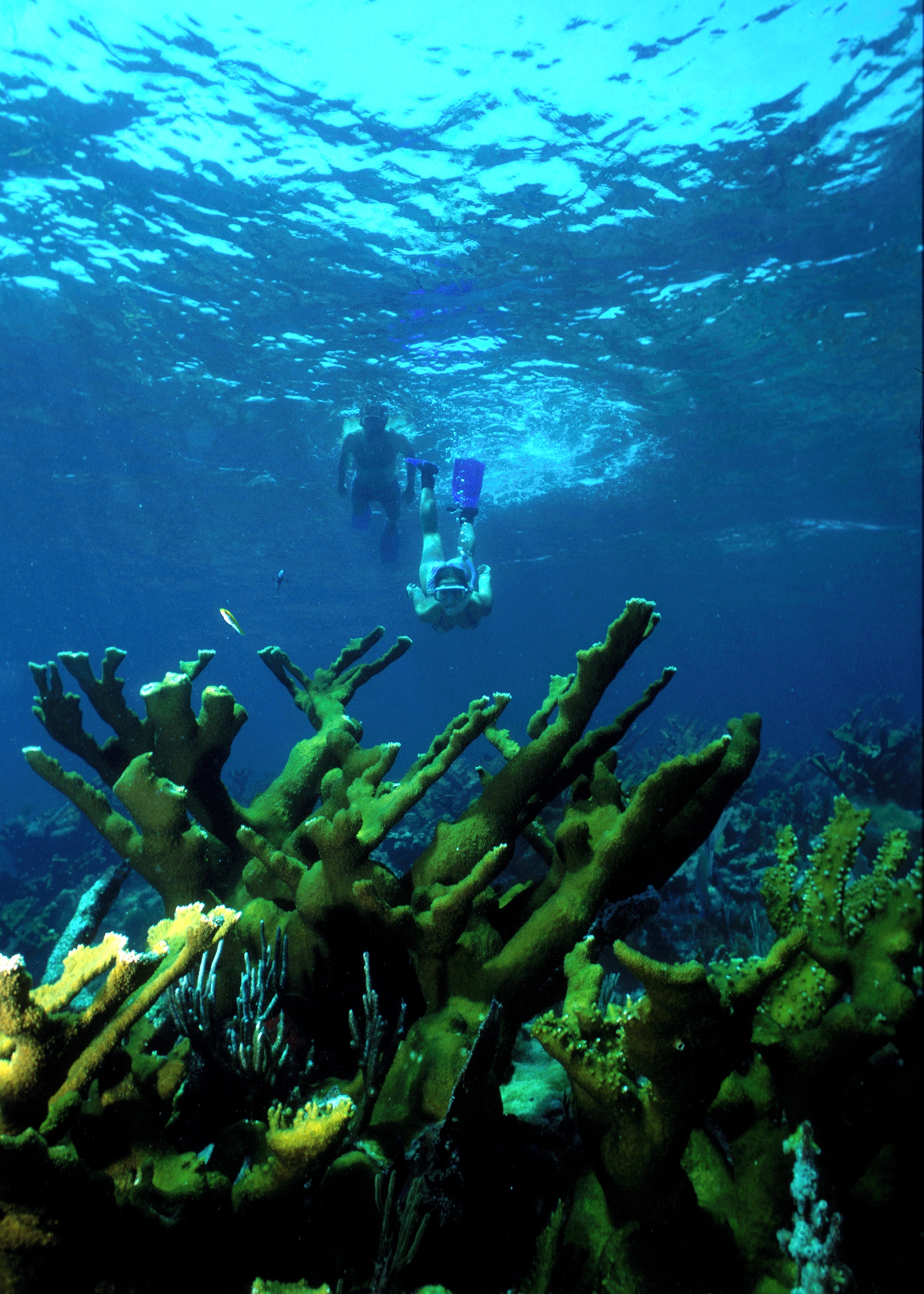
A snorkeler jumps into the water

Things to Do

Snorkeling, diving, boating, fishing, camping, picnicking and superb opportunities for wildlife watching are just a few of the many activities here. From late December to May, special activities like Family Fun Fest, guided canoe tours, and year-round fishing seminars and other programs can enhance your understanding and appreciation for the largest marine park in the National Park System.
more...
 
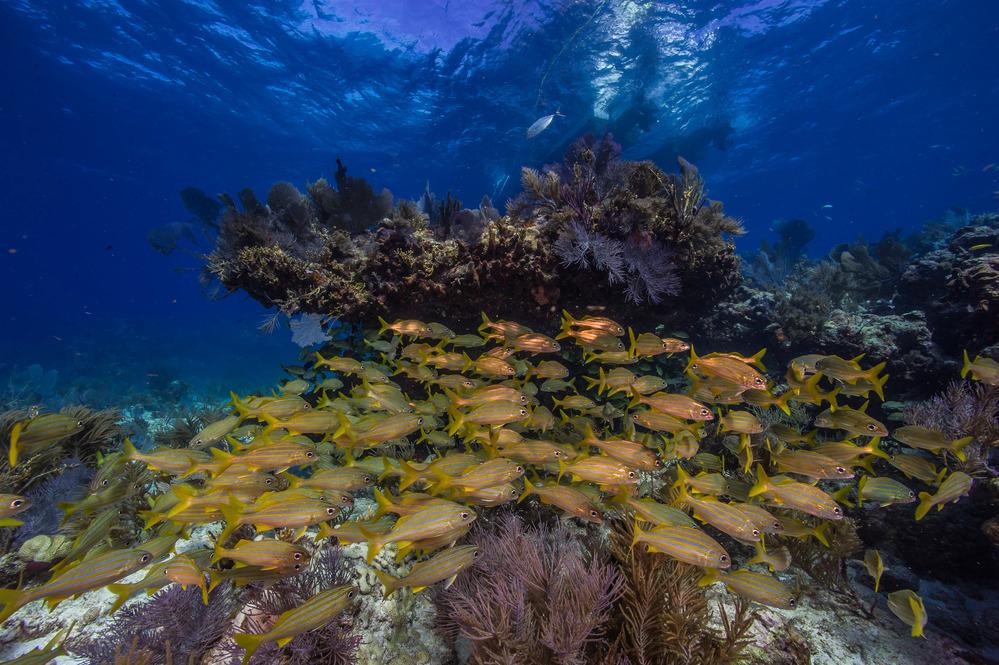
Porkfish on coral reef

Park Ecosystems

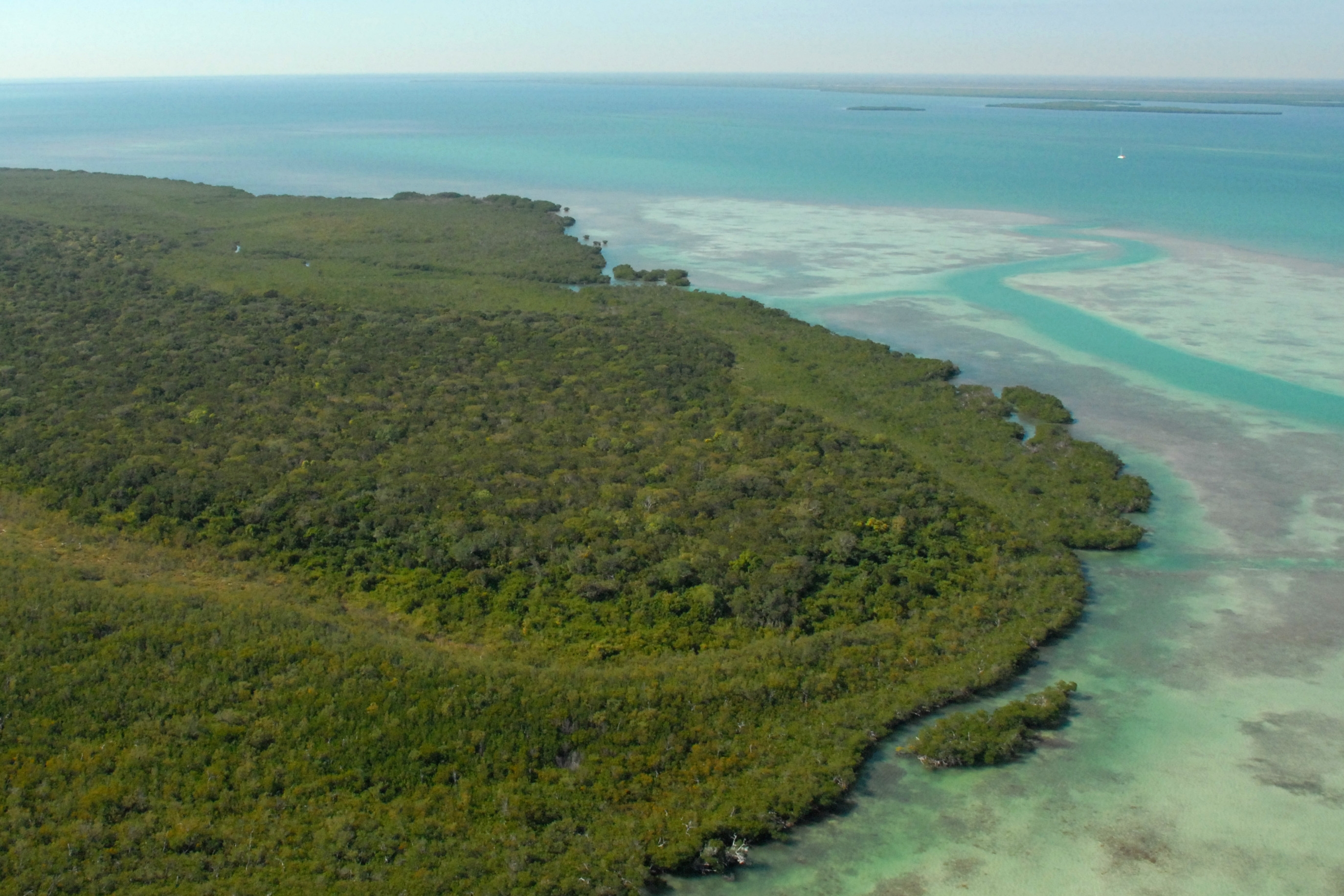
Biscayne National Park protects four primary ecosystems: the long stretch of mangrove forest along the mainland shoreline, the shallow southern portion of Biscayne Bay, the northernmost Florida Keys and a portion of the world's third-longest living coral reef.
more...

 
Pioneers on Elliott Key

Park History

Although Biscayne National Park was established primarily for its natural features, the exploits of humans over ten centuries light the fires of imagination, with many stories just now being uncovered. Discover some of the people, places and stories that help make the park such a special place.
more...


Write to

Biscayne National Park
9700 SW 328 Street
Homestead, FL 33033

E-mail Us

Phone

Visitor Information
(305) 230-7275

Administrative Offices
(305) 230-1144

Fax

(305) 230-1190

Climate

Summers are generally warm, with high humidity and frequent afternoon thunderstorms. Winters are typically mild and dry, but windy. Weather conditions can change rapidly, so be prepared with rainwear at any time of year.
Skip to SearchSkip to NavigationSkip to BodySkip to Footer
Semaphore pricklypear cactus  

Did You Know?
In 2001, scientists taking a plant inventory in Biscayne National Park discovered a population of semaphore pricklypear cactus, one of the world's rarest plants. Previously known as only 9 plants in the lower Florida Keys, the new population numbered 570 plants...over 60 times the previous count.

Last Updated: May 25, 2009 at 10:43 EST