
Skip to SearchSkip to NavigationSkip to BodySkip to Footer
National Park Service LogoU.S. Department of the InteriorNational Park ServiceNational Park Service
National Park Service:  U.S. Department of the InteriorNational Park Service Arrowhead
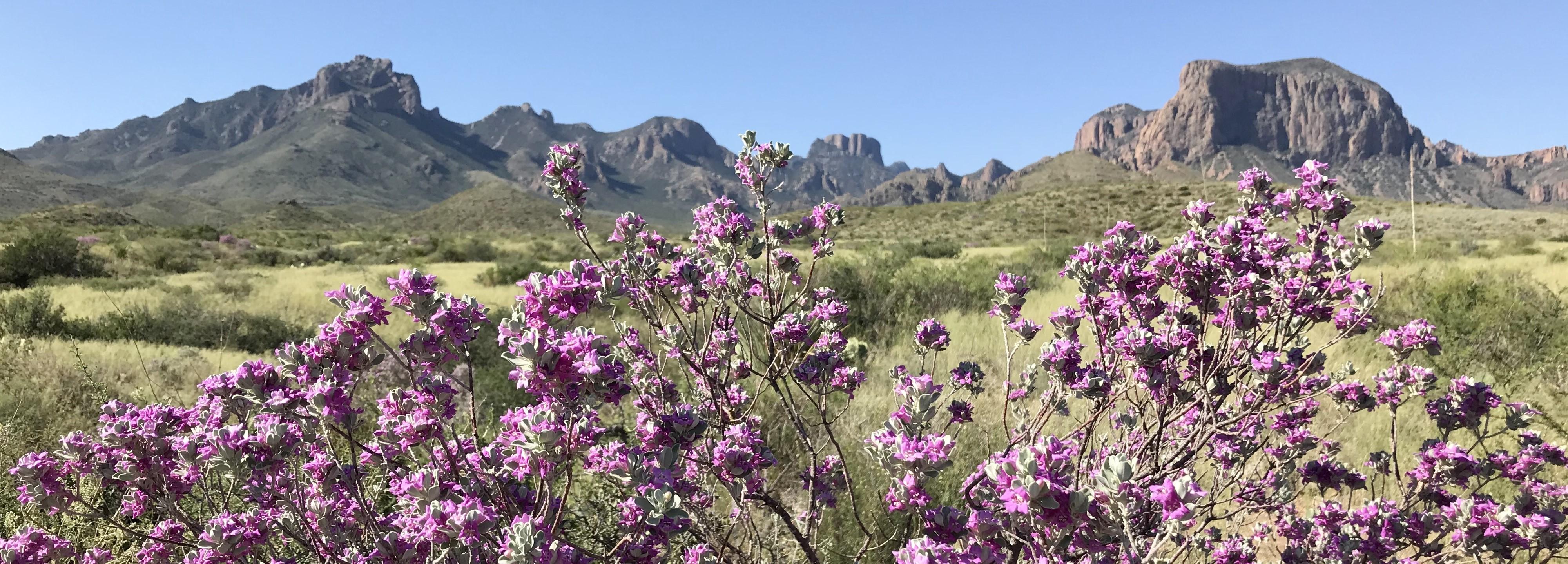
Big Bend National Park Hillside above Panther Junction covered in ceniza blooms
view map
text size: largest larger normal
printer friendly

Website

Due to server issues, this website may have broken links, pages down, page formatting errors, and out of service webcams. These problems are being addressed but problems may persist into Fall.
more...

"A land of strong beauty—
often savage and always imposing."

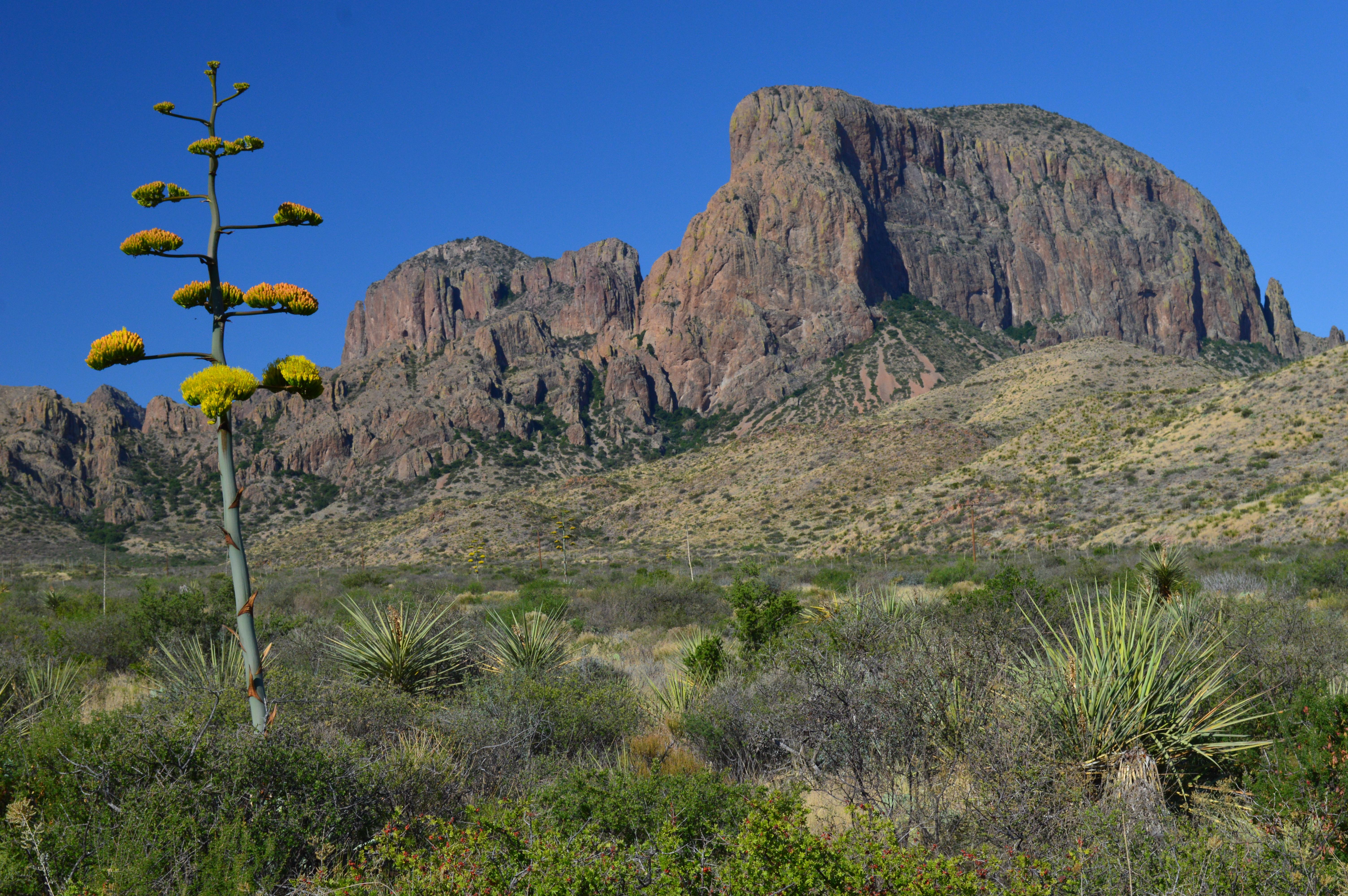
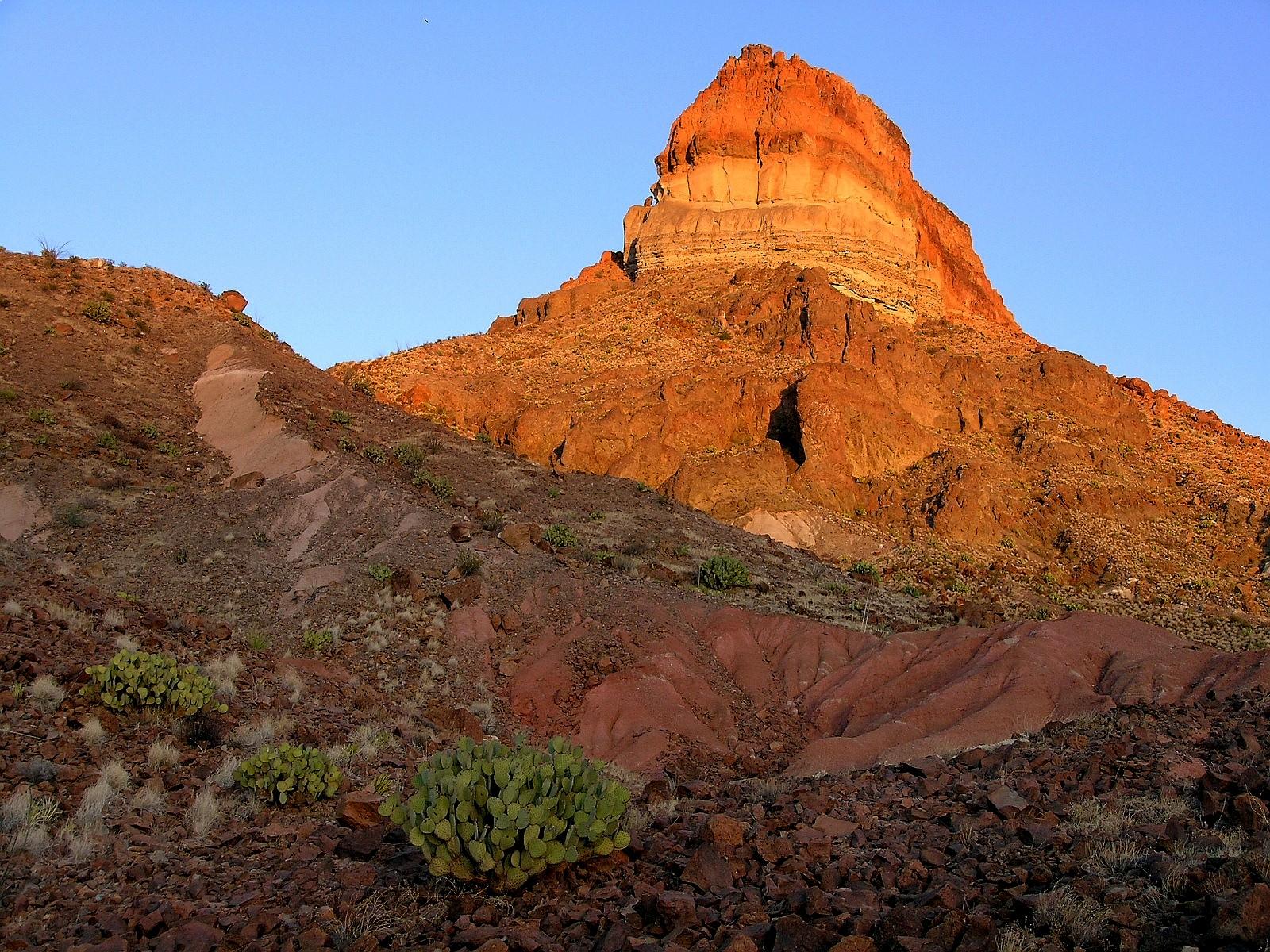
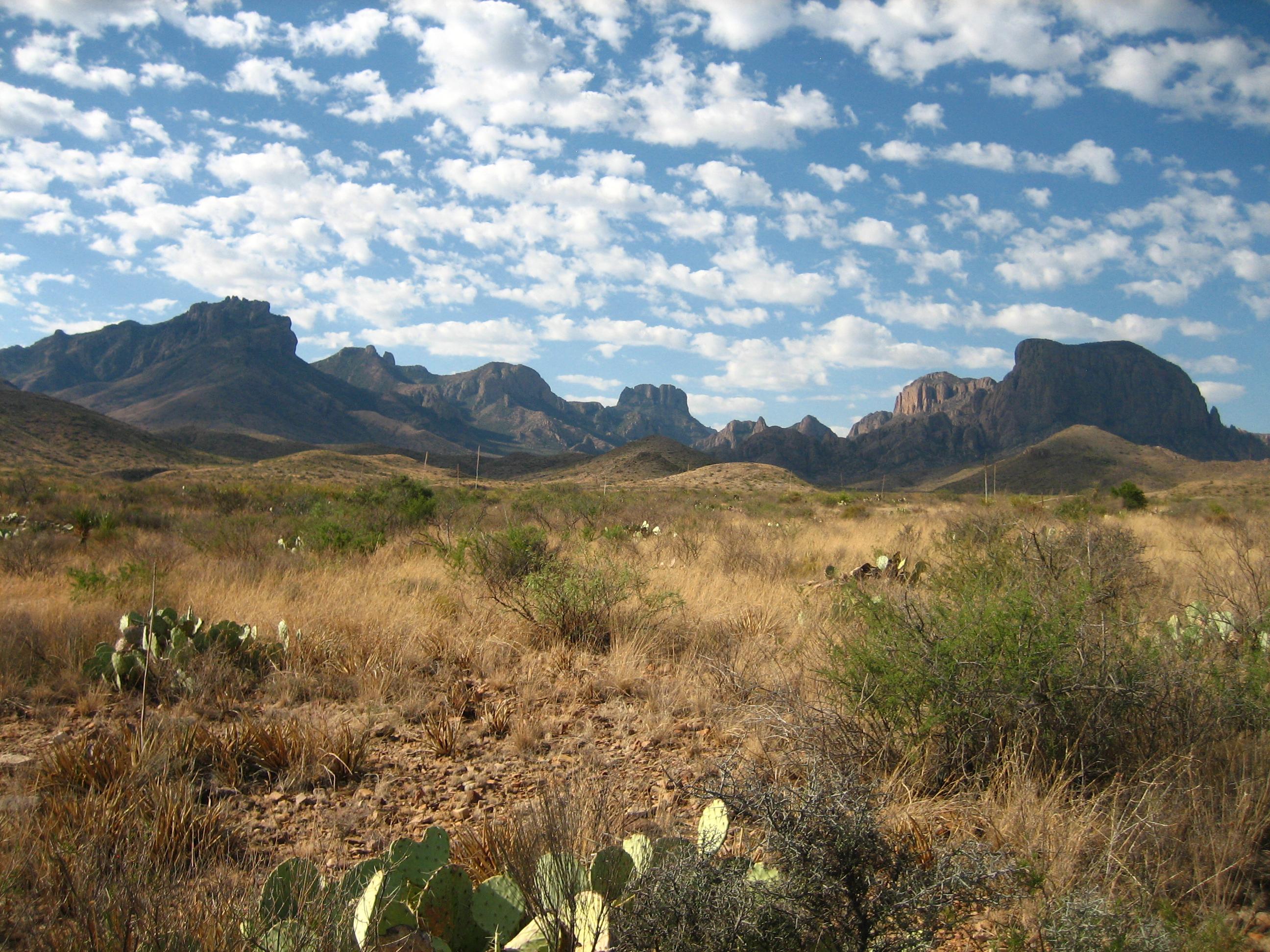
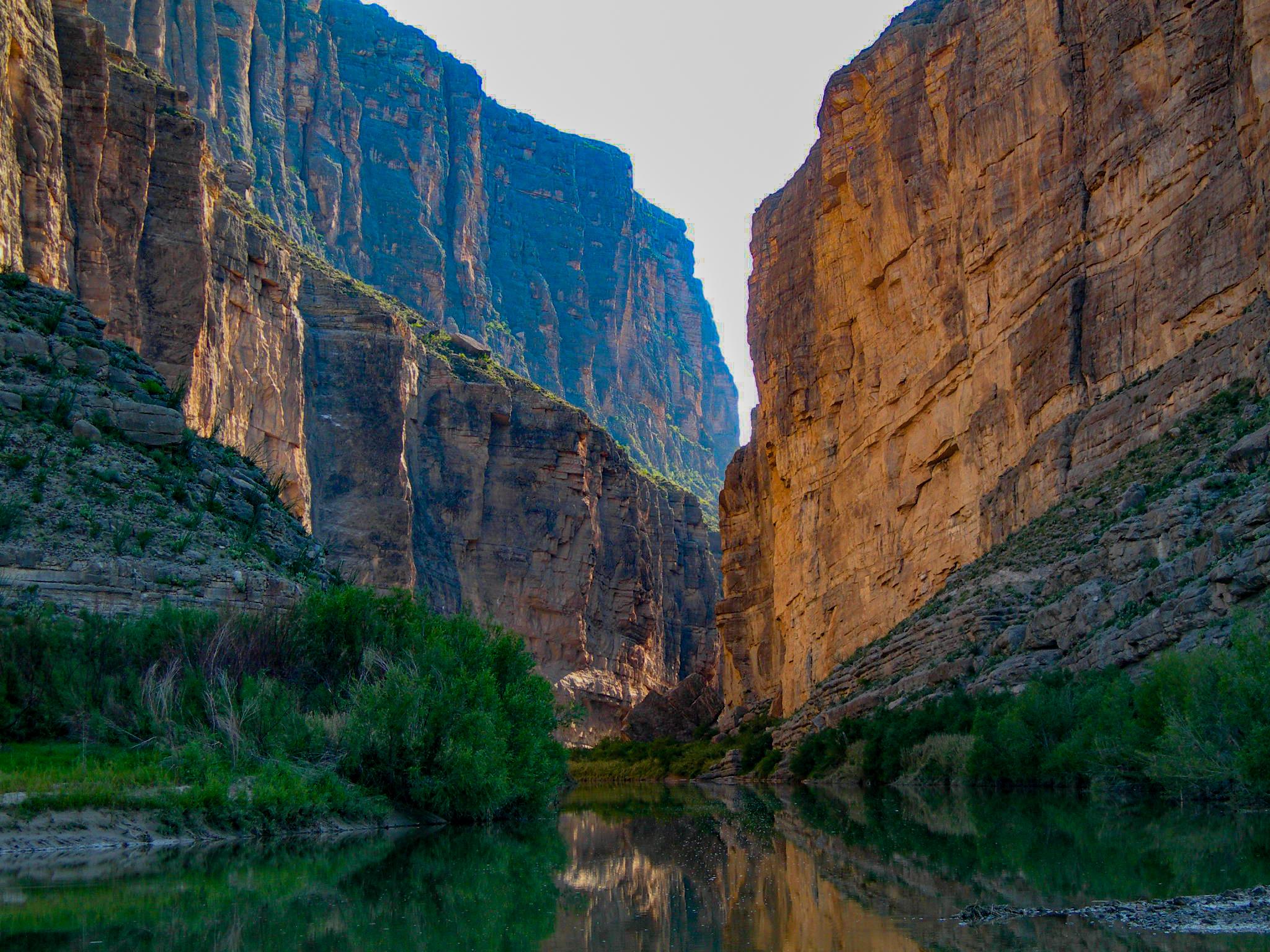
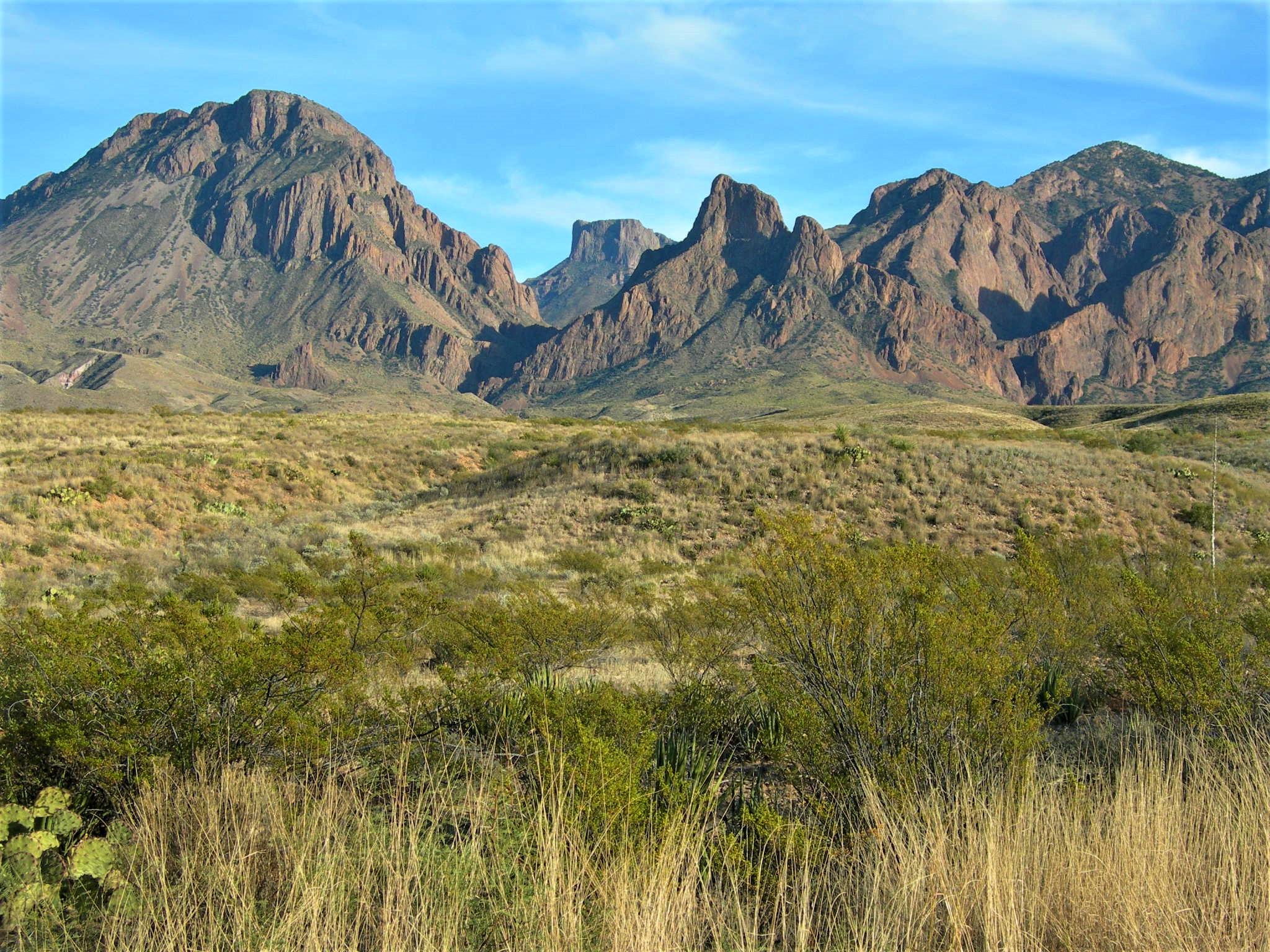
Sometimes considered "three parks in one," Big Bend includes mountain, desert, and river environments. An hour’s drive can take you from the banks of the Rio Grande to a mountain basin nearly a mile high. Here, you can explore one of the last remaining wild corners of the United States, and experience unmatched sights, sounds, and solitude.
more...


How NOT to die in the Desert

With over 800,000 acres of remote desert and mountains, visitors to Big Bend can wander and explore to their hearts’ content. But with this freedom comes risk. Every year, park staff must rescue hikers who either underestimate the terrain and/or temperatures or overestimate their own abilities. This environment is not forgiving; hikers have died here after going just a few hours without water.


more...
 

Explore Big Bend's backcountry

Big Bend's river, desert, and mountain environments provide a multitude of backcountry experiences. Primitive dirt roads offer remote car camping; the Rio Grande offers single and multi-day float trips through majestic canyons; the Chisos Mountains offer a high-altitude retreat from the desert, and open-zone camping offers limitless desert exploration.


more...
 

Big Bend and the Border: <i>Is it safe?</i>

In addition to defining the curve that forms the Big Bend, the Rio Grande also serves as the international boundary between the United States and Mexico. Throughout much of its history the border along the Rio Grande has often been fluid, allowing people of both countries to come and go as needed. However, the border is an artificial boundary imposed on the natural environment, and as such is subject to political and social pressures. Visitors often ask if the border is safe; the following pages explore what you need to know when visiting a border area.


more...


Write to

PO Box 129
Big Bend National Park, TX 79834

Phone

Visitor Information
(432) 477-2251

Weather Information Hotline
(432) 477-1183

Fax

(432) 477-1175

Climate

Fall and spring are usually warm and pleasant. Summers are hot, although temperatures vary greatly between the desert floor and the Chisos Mountains; May and June are the hottest months. Afternoon and evening rains often cool the desert from July to October. Winters are generally mild, although periods of cold weather (including light snow or ice) are possible. Winter visitors must prepare for a variety of conditions.
more...
Skip to SearchSkip to NavigationSkip to BodySkip to Footer
The western pipistrelle

Did You Know?
The western pipistrelle is the smallest bat found in Big Bend National Park. It is often the first bat to appear at dusk, but can sometimes be seen in broad daylight.
more...

Last Updated: September 03, 2010 at 08:08 EST