National Park Service LogoU.S. Department of the InteriorNational Park ServiceNational Park Service
National Park Service:  U.S. Department of the InteriorNational Park Service Arrowhead
Bandelier National MonumentWhite-breasted Nuthatch
view map
text size:largestlargernormal
printer friendly
Bandelier National Monument
Canyon Riparian Areas
Upper Frijoles Creek

Photo by Dale Coker

The availability of water makes the riparian areas places with a great diversity of life.

Creek-side environments, called riparian zones, are particularly rich areas due to the availability of water. Lush shrubbery and overhanging deciduous cottonwood and alder trees provide food, precious shade, and habitat for insects, amphibians, and small mammals. these in turn attract predators - rattlesnakes, birds, coyotes, and bobcats.


The Ancestral Pueblo people knew the value of these places as sources of both food and water. These areas may be seen as ribbons of bright green along the canyon bottoms.
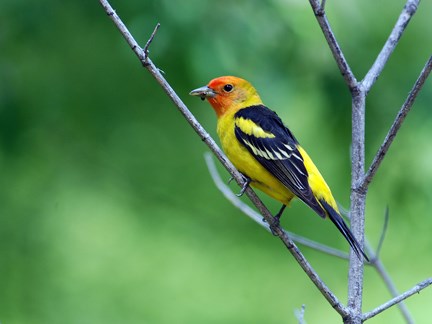
 
male Western Tanager
Photo by Sally King
The riparian zone boasts the greatest diversity of life within the park.
 
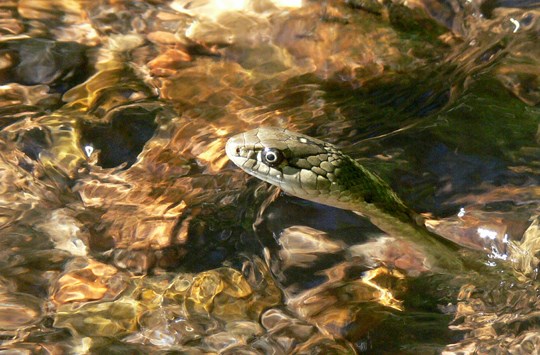
garter snake
Photo by Sally King
Did you know that garter snakes can swim? They find food plentiful in the riparian zone.
Western Diamondback Rattlesnake  

Did You Know?
Most rattlesnakes bites are "dry" bites in which little or no venom is produced. That doesn't mean you want to get bit. Keep your distance if you encounter a rattlesnake while hiking.

Last Updated: November 17, 2007 at 14:41 EST