National Park Service LogoU.S. Department of the InteriorNational Park ServiceNational Park Service
National Park Service:  U.S. Department of the InteriorNational Park Service Arrowhead
Bandelier National Monument Milbert's Tortoiseshell
view map
text size: largest larger normal
printer friendly
Bandelier National Monument
Aspen Groves
aspens in autumn

Photo by Sally King

An aspen's short lifespan creates a recycling system that replenishes the soil.

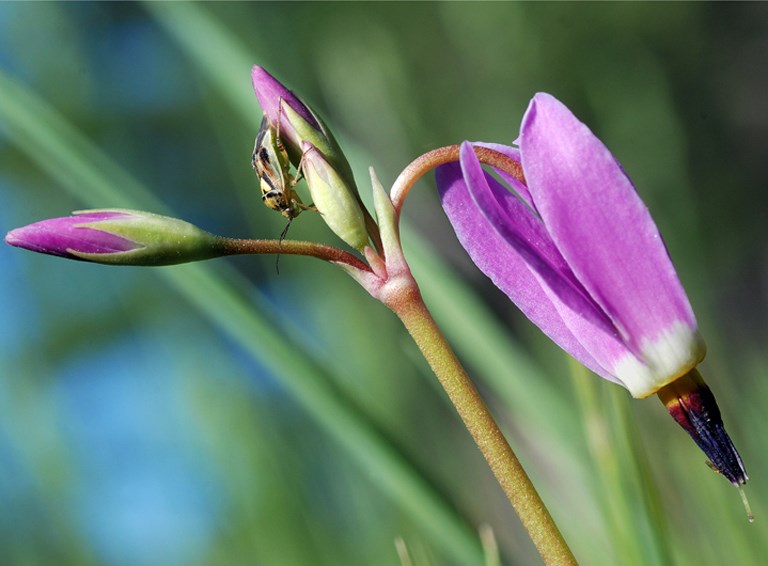
Nearly pure stands of aspen trees can be found on the highest slopes in Bandelier, particularly in moist settings. Outside of the riparian areas, aspens support the highest diversity of life in the park. They are an important food source for animals and insects that are able to easily digest aspen wood and leaves. The fast-growing, short-lived nature of aspens creates a recycling system that frequently replenishes the soil. Woodpeckers, foxes, and colorful wildflowers make their homes here. Today, aspen is used in the making of traditional pueblo drums.
 
Golden-mantled Groundsquirrel

Photo by Sally King

Golden-mantled ground squirrels are found only in the higher elevations of Bandelier.

The presence of aspens can indicate that a fire has recently occurred in the area.  They grow quickly in areas that have been burned by high-intensity fire because of the increased availability of sunlight.  Conifers quickly encroach on aspen groves when fires has not regularly occurred - something that is readily seen in the upper elevations of Bandelier along Highway 4.
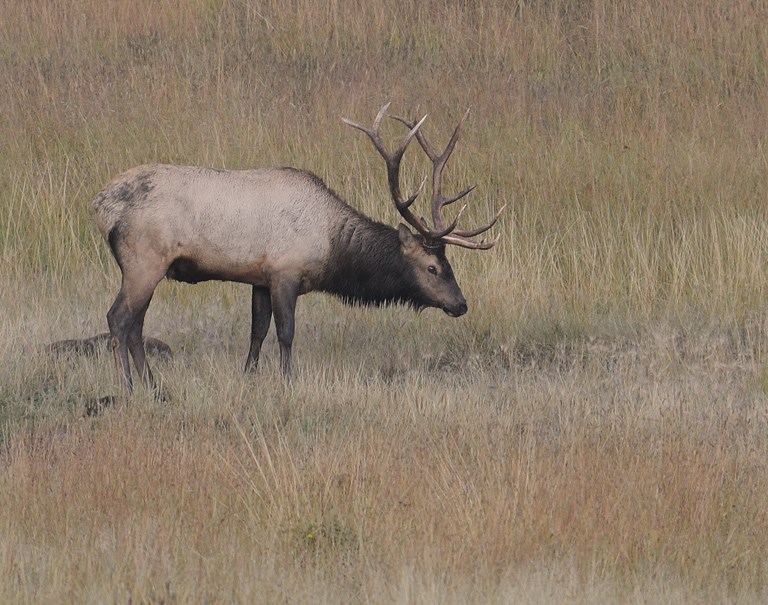
 
red-naped sapsucker, black swallowtail, elk
Photo by Sally King
The aspen life zone has one of the greatest diversities of wildlife within Bandelier.

You are exiting the National Park Service website

Thank you for visiting our site.

You will now be redirected to:

We hope your visit was informative and enjoyable.

Last Updated: November 17, 2007 at 12:11 MST