National Park Service LogoU.S. Department of the InteriorNational Park ServiceNational Park Service
National Park Service:  U.S. Department of the InteriorNational Park Service Arrowhead
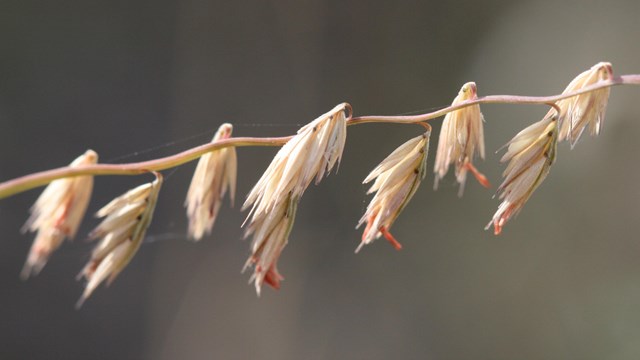
Badlands National ParkCommon milkweed in bloom
view map
text size:largestlargernormal
printer friendly


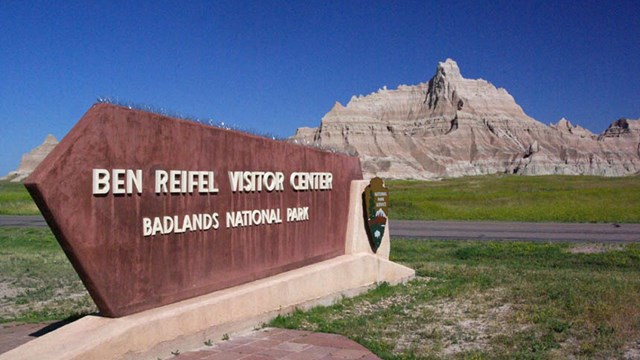
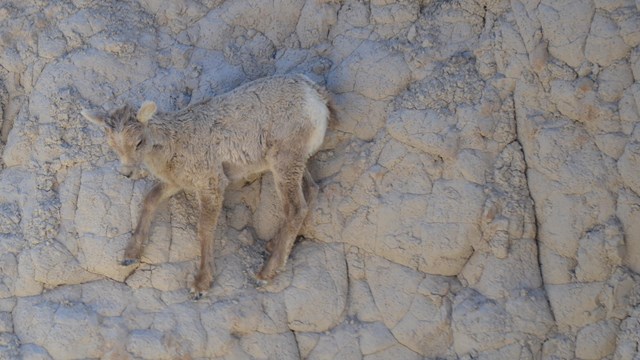
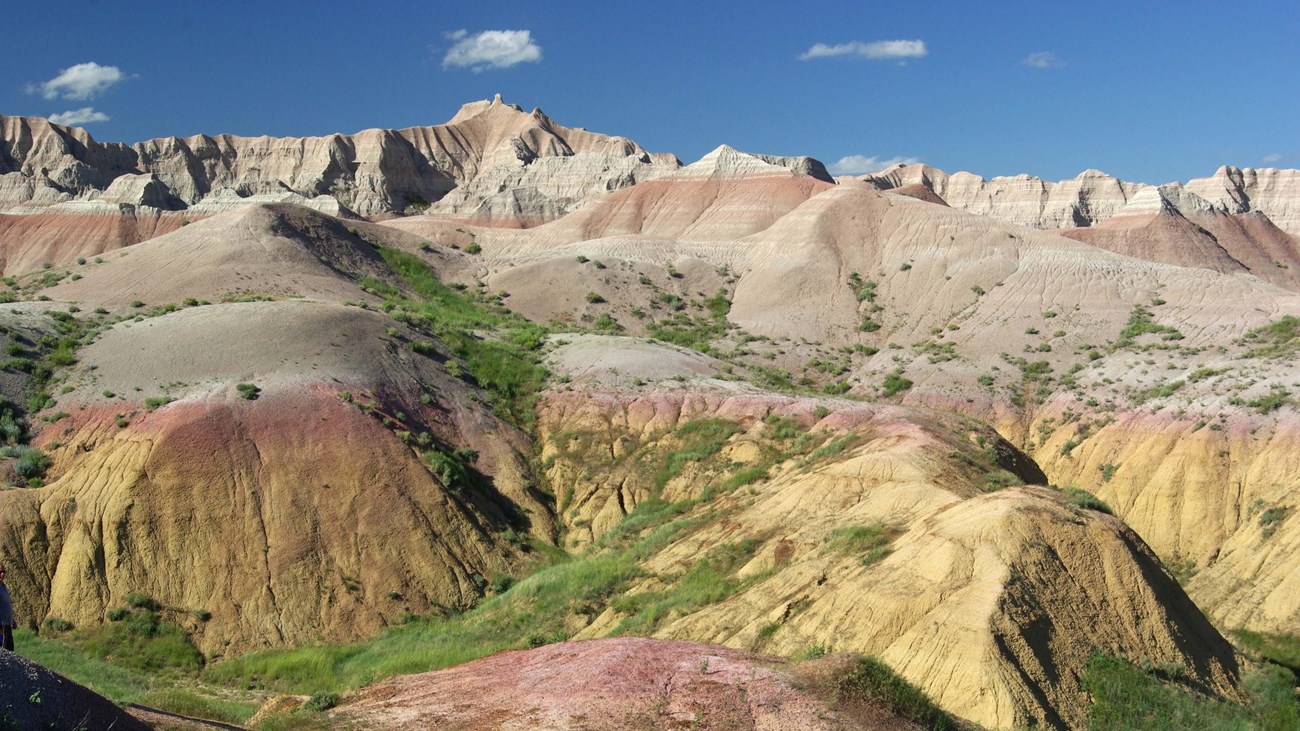
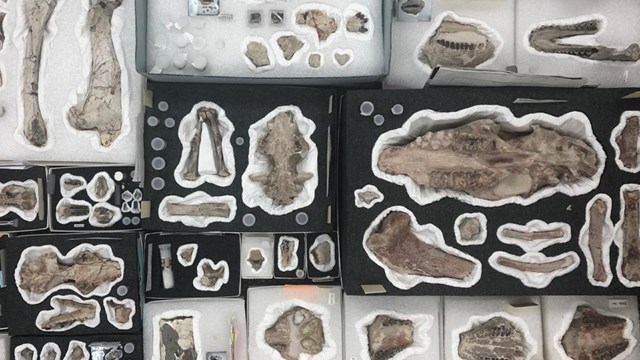
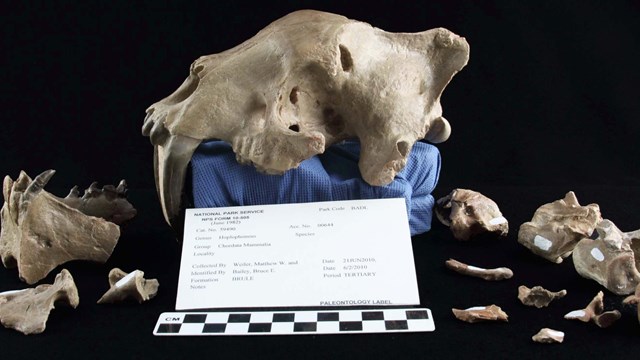
Containing the world’s richest Oligocene epoch fossil beds, dating 37-28 million years old, the evolutionary stories of mammals such as the horse and rhinoceros arise from the 244,000 acres of sharply eroded buttes, pinnacles, and spires. Bison, bighorn sheep, endangered black-footed ferrets, and swift fox roam one of the largest, protected mixed-grass prairies in the United States.
 
Front page of General Management Plan Newsletter

Planning Begins for South Unit General Management Plan

The National Park Service has begun working on a General Management Plan for the South Unit of Badlands National Park. The public is invited to submit comments (59 KB PDF) and make suggestions during this important process. Comments on Newsletter #1 Winter 2008 (693 KB PDF)are due April 11, 2008.


Front page of the Badlands Visitor Guide

Badlands Visitor Guide

Planning a trip to the Badlands? Reviewing the 2008 Badlands Visitor Guide (1.84 MB PDF) in advance can help you plan an enjoyable trip to the park and maximize your vacation experience. Plan on attending a ranger-guided program, hiking a trail, or driving the Scenic Byway. The guide provides information on visitor services, facilities, hours of operation, and park rules and regulations.


Write to

25216 Ben Reifel Road
P.O. Box 6
Interior, South Dakota 57750

E-mail Us

Phone

Park Headquarters
(605) 433-5361

Fax

(605) 433-5404

Climate

The Badlands climate is variable and unpredictable with temperatures ranging from -40 F to 116 F. The summers are hot and dry with occasional violent thunderstorms. Winters are typically cold with 12 to 24 inches of total snowfall. Extremely high winds are common year-round. Sudden and dramatic weather changes are common. Dress in layers. Hats, sunglasses, sunscreen, and adequate water are recommended for hiking.
Black-footed ferret photo by Randy Matchett, U.S. Fish and Wildlife Service  

Did You Know?
Four species of wildlife have been reintroduced into the Badlands since its establishment as a National Monument in 1939. The black-footed ferret, bighorn sheep, bison, and swift fox, once exterminated from the area's mixed grass prairie, are again thriving in their native habitat.

Last Updated: March 20, 2008 at 14:19 EST