|
 |
  |
|
|
|
|
Arches National Park
Nature & Science
|
|
|
|
|
| |
 |
|
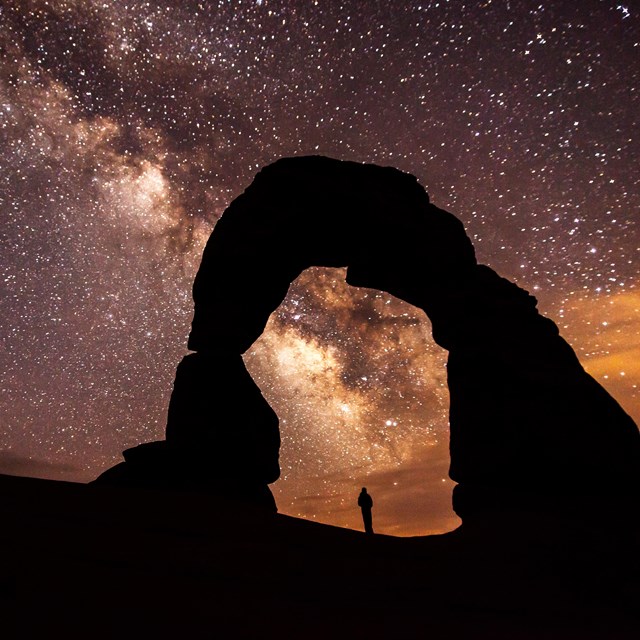
| NPS Photo by Tom Gray |
| Delicate Arch |
|
|
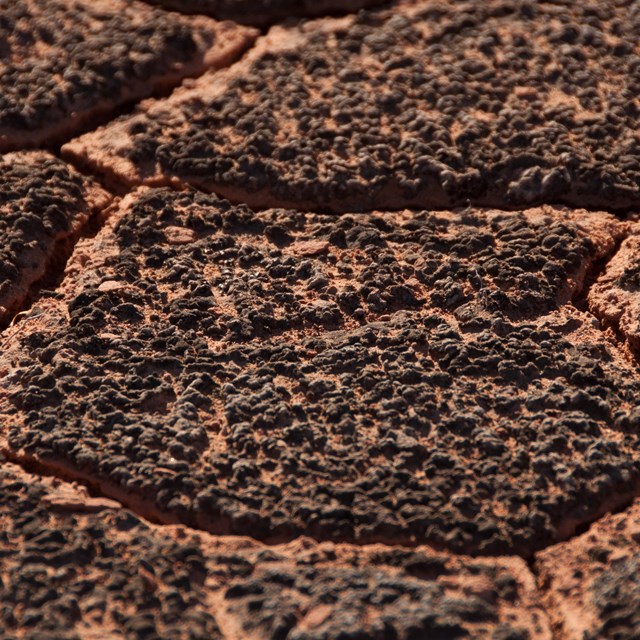
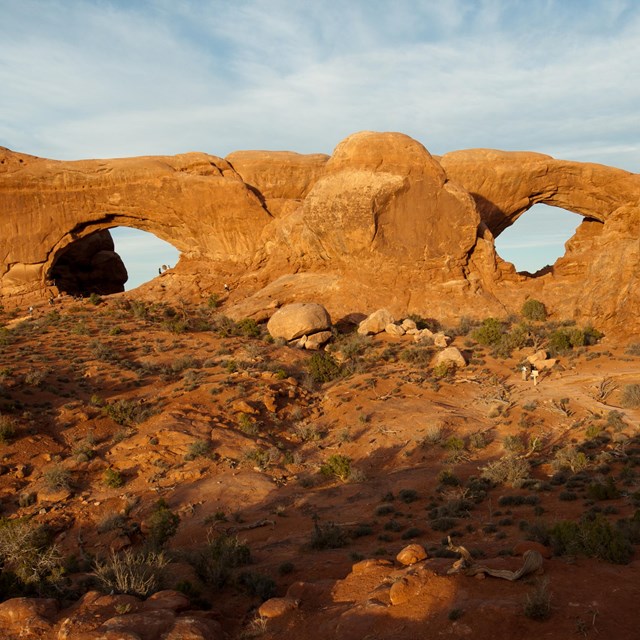
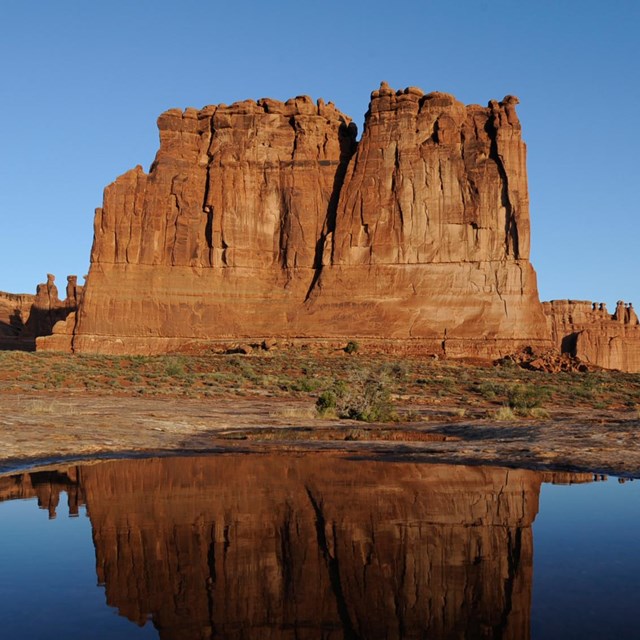
The forces of nature have acted in concert to create the landscape of Arches, which contains the greatest density of natural arches in the world. Throughout the park, rock layers reveal millions of years of deposition, erosion and other geologic events. These layers continue to shape life in Arches today, as their erosion influences elemental features like soil chemistry and where water flows when it rains.
Arches is located in a "high desert," with elevations ranging from 4,085 to 5,653 feet above sea level. The climate is one of very hot summers, cold winters and very little rainfall. Even on a daily basis, temperatures may fluctuate as much as 50 degrees.
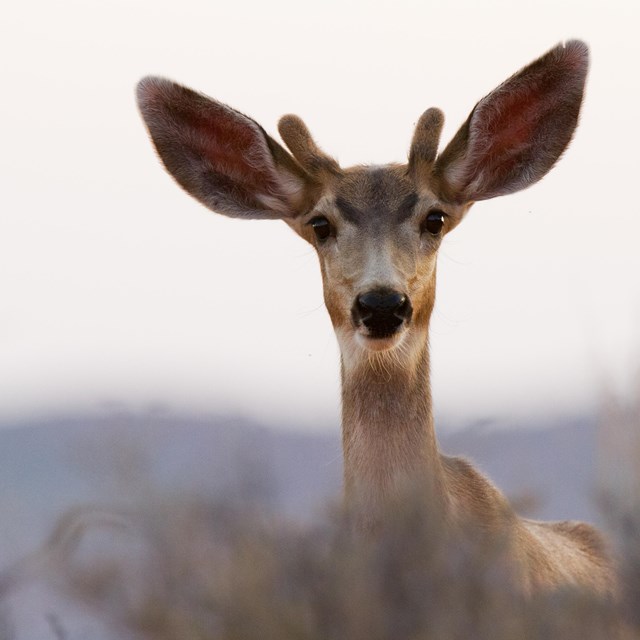
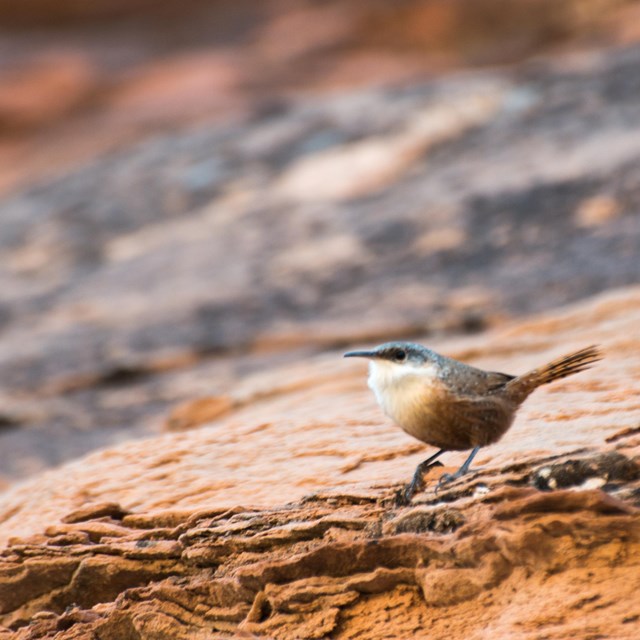
The plants and animals in Arches have many adaptations that enable them to survive these conditions. Some species are found only in this area. The diversity of organisms reflects the variety of available habitat, which includes lush riparian areas, ephemeral pools, dry arroyos, mixed grasslands and large expanses of bare rock.
|
| | |
|
|
 Flower Guide Wondering what flower you saw in Arches? Our online guide probably has the answer. more... | |  Scientific Research Scientists from all over the world study in Arches more... | |  Inventory & Monitoring Striving to create scientific foundations for park management. more... | |
|
|
|
|
|
|
|
 |
|
Did You Know?
In the late 1800s, John Wesley Wolfe, a disabled Civil War veteran, and his son, Fred, built a homestead in what is now Arches National Park. A weathered log cabin, root cellar, and corral remain as evidence of the primitive ranch they operated for more than 10 years.
|
|
|
|
Last Updated: September 19, 2006 at 10:41 EST |