



|
Acadia is famous for its sunrises, sweeping coastal vistas, pink granite mountains, and diverse forests. However, wildlife calls those beautiful places 'home.' BirdsWith a record of 338 bird species encountered, Acadia National Park is considered one of the premier bird-watching areas in the country. Acadia's wide variety of habitats and its location along the eastern seaboard makes it a favorite breeding ground and stop-over site for an incredible diversity of birds, from high-flying falcons, owls and eagles, to water-based birds like loons, ducks, and shorebirds, and landlocked woodpeckers, songbirds, and warblers.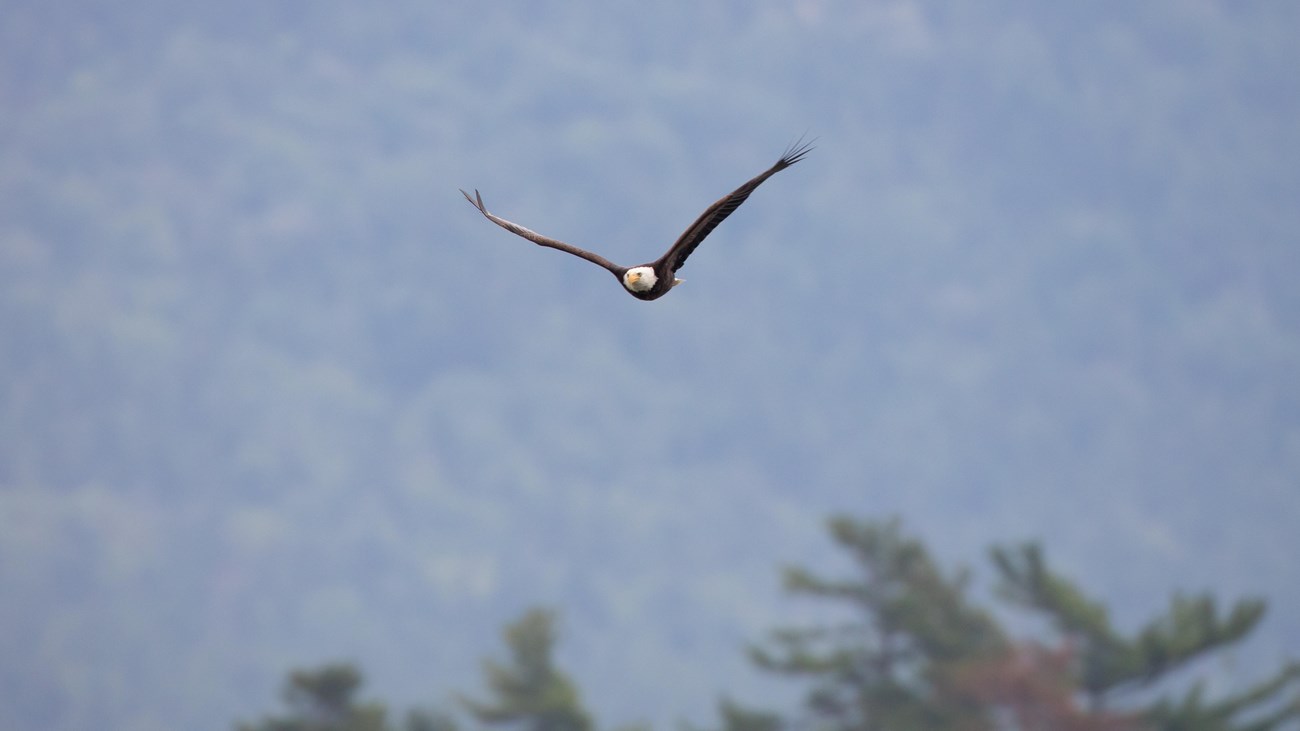
Birds
Acadia's most famous creatures, with more than 300 species reported! 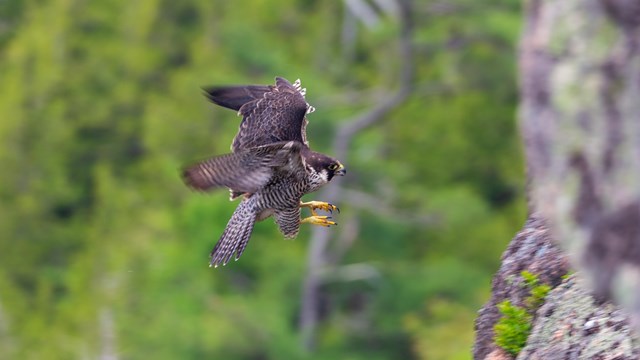
Peregrine Falcons
Learn more about how peregrine falcons, the fastest animal on earth, came back from the brink of extinction. 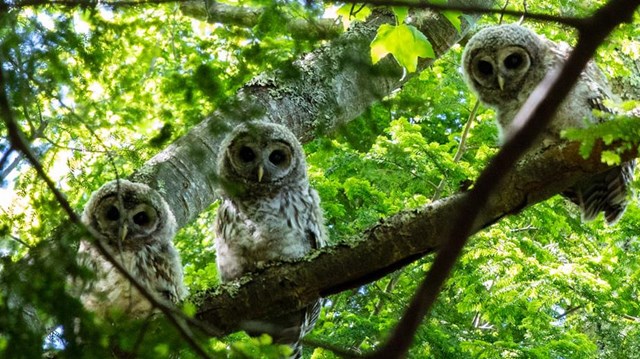
Owls
On silent wings, owls fly amongst the trees of Acadia. But people, not predators, are owls greatest threats to survival. 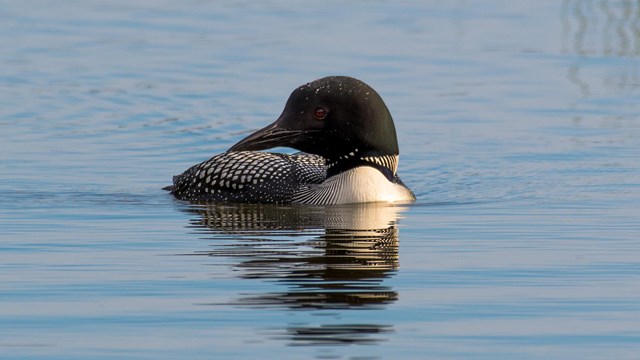
Loons
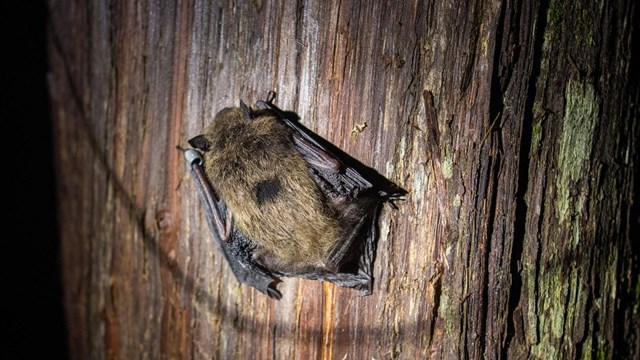
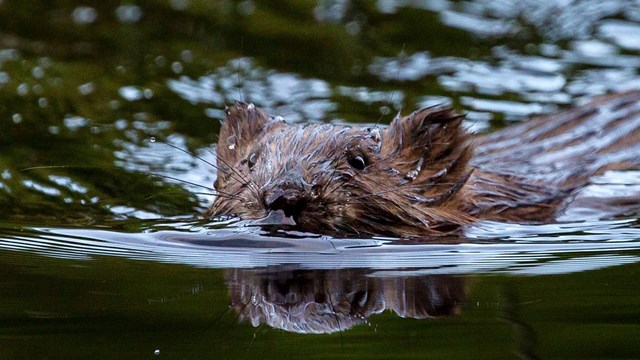
Learn about the remarkable lives of the loons that dot the lakes and ponds of Acadia. MammalsAcadia National Park is home to around 40 species of mammals. Bats may only be seen at night in Acadia, but they shine a light on the many challenges animals face due to environmental threats such as climate change. Bats in Acadia National Park have declined over 80% and are a major focus of park research activities. Beavers make incredible impacts on the Acadia land and waterscapes as they busily transform the environments they inhabit.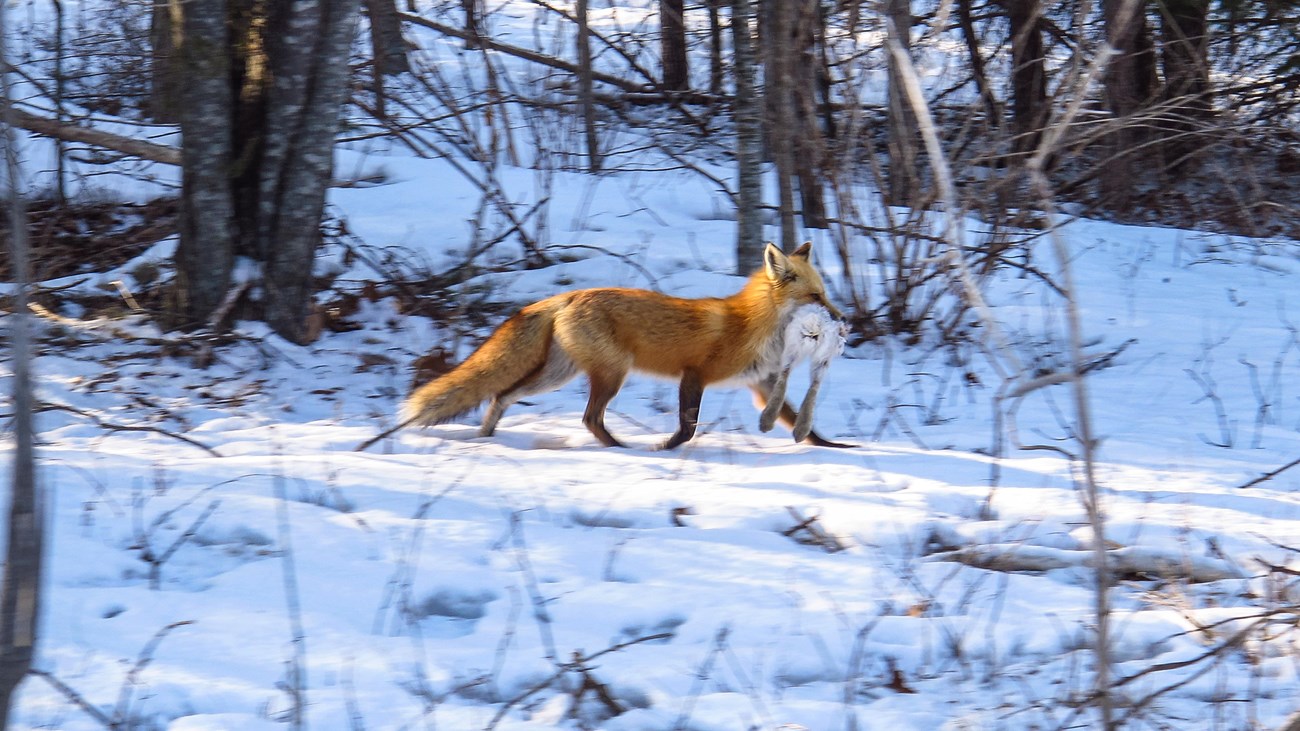
Mammals
Foxes, deer, and beavers, oh my! Marine WildlifeSome marine wildlife clings to life on the edge of the ocean. Among the rocks, tidepools, and salt water marshes, snails and mussels cling to the rocks and burrow in the mud and help to filter the water. Crabs, lobster and other crustaceans seek shelter on the ocean floor and are currently combating the spread of the green crab and Asian shore crab, two species that are not native to Maine. Deeper in the ocean, marine mammals such as seals, whales, and porpoises join fish such as sunfish and can wow visitors on the open sea.Similar to much of Acadia's wildlife, marine wildlife is under threat from humans. Intense fishing, air pollution, and warming waters due to climate change are stressing these animals. You can help protect Acadia's marine mammals during your visit by keeping your distance from any marine wildlife if spotted and ensuring that all trash is disposed of properly. 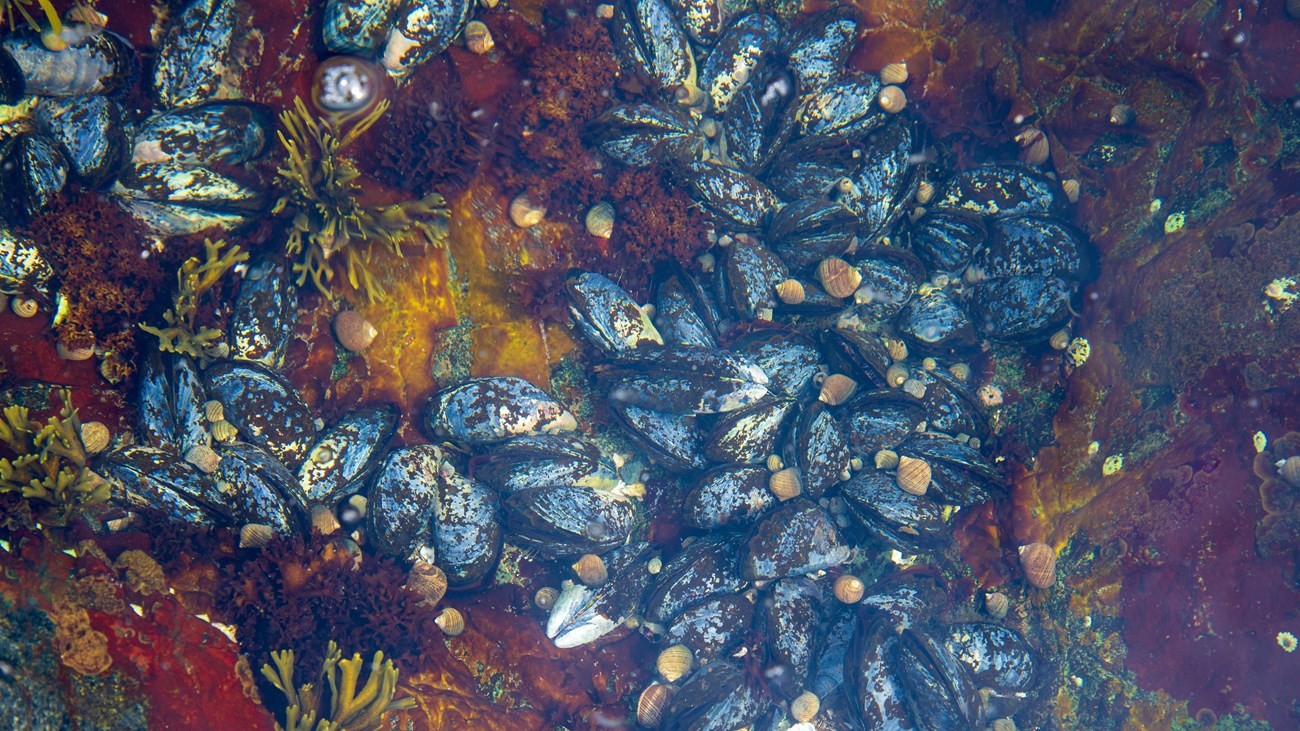
Marine Wildlife
Explore what creatures live in tidepools, along the coast, and in the open ocean around Acadia. Other AnimalsAcadia is home to 30 species of fish, including alewives and brook trout. You may see one of Acadia's 7 reptiles such as turtles and snakes in our wetlands. A keen eye can spot of the park's 11 amphibians such as frogs, salamanders and newts in our streams. There are also an unknown number of invertebrate species in the air, on and under the ground, and in the intertidal zone.Each of these animals plays an essential role in keeping Acadia healthy and beautiful. Their decline is often seen as the "canary in the coal mine,' calling our attention to the impacts of pollution and climate change. 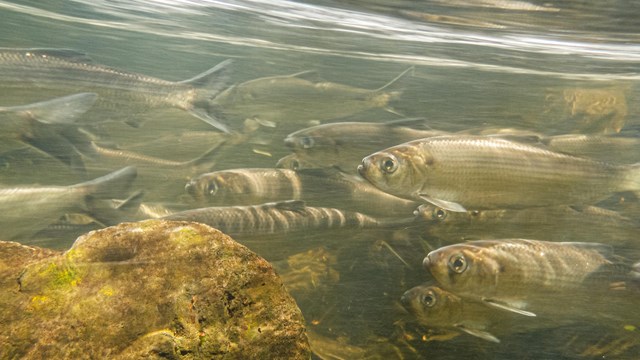
Fish
Inhabitants of Acadia's many lakes, ponds, and streams. 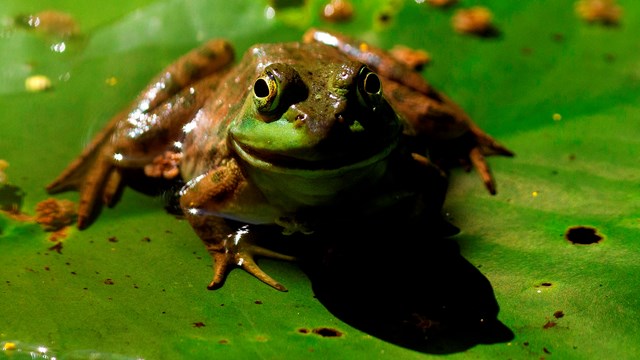
Amphibians and Reptiles
Frogs, snakes, turtles, and salamanders species in Acadia. 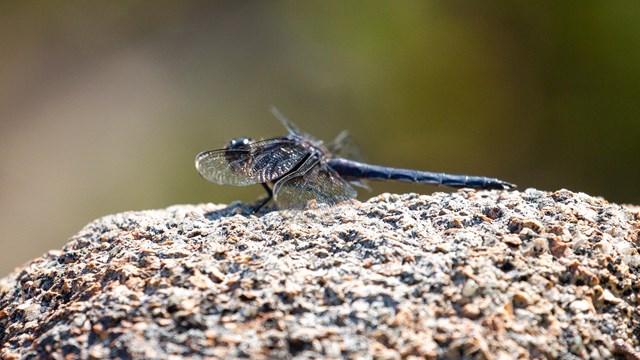
Invertebrates
Learn about invertebrates in the air, on land, and beneath the water. |
Last updated: March 22, 2022