



Last updated: June 12, 2026
Thing to Do
Wildlife Viewing in Rocky Mountain National Park
NPS Photo
Wildlife Viewing
Rocky Mountain National Park is home to an incredible range of wildlife year-round, including over 60 species of mammals, 280 species of birds, 6 species of amphibians, 1 reptile, 11 species of fish, and 142 confirmed species of butterflies.
Some basic knowledge of animal habits and habitats greatly enhances prospects of spotting Rocky Mountain's wild residents. A few to keep an eye out for:
- Mule deer are common and can be seen in most areas of the park. They are most often found at lower elevations in meadow and forest areas.
- Elk can be seen anytime of the year. Look for elk in meadows and where meadow and forest meet. Elk spend much of their time at or above treeline during the summer, moving to lower elevations in the fall, winter and spring. Favorite feeding times: dawn and dusk.
- Bighorn sheep are commonly seen at Sheep Lakes from May through mid-August.
- Bats feed over lakes and ponds at dawn and dusk.
- Yellow-belied marmots and pikas are found at high elevation and favor rocky areas. Marmots are best seen on the alpine tundra along Trail Ridge and Old Fall River roads. Pikas - small, light-colored mammals - are common in rock piles. Listen for their sharp, distinctive bark and watch for movement.
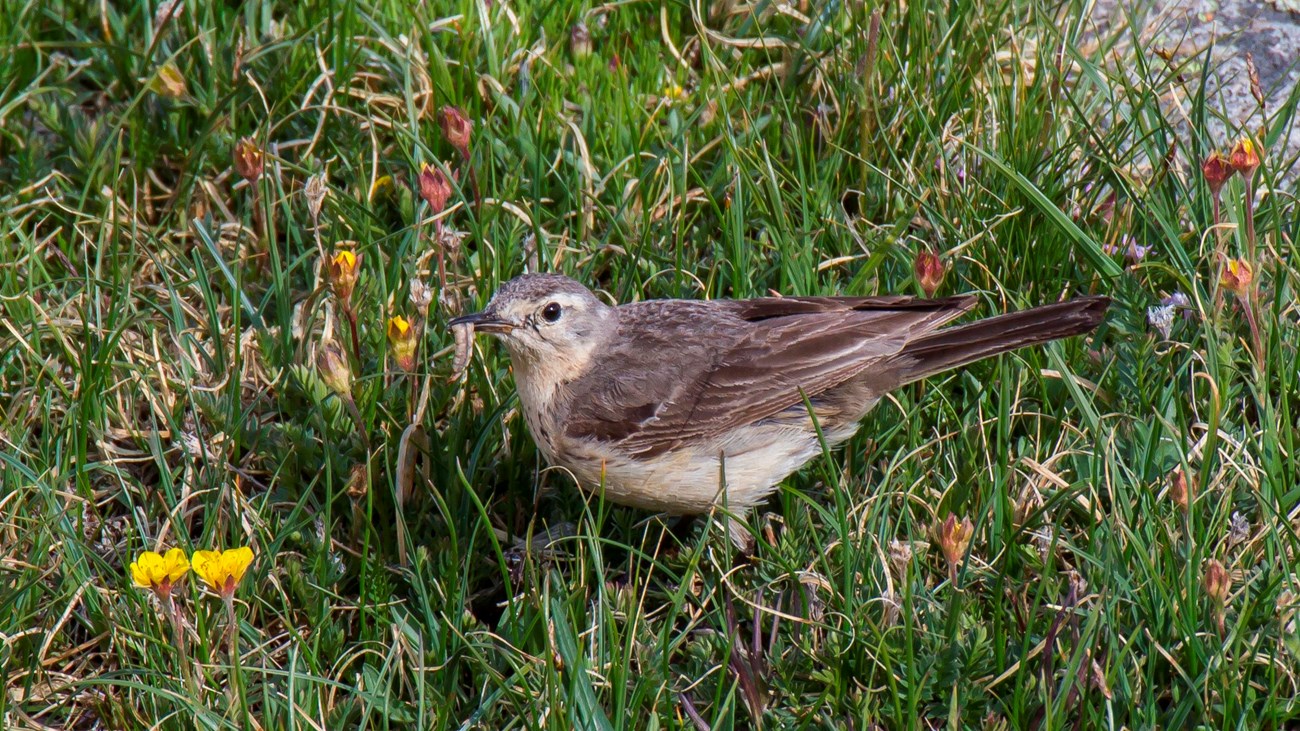
- A wide variety of birds can be seen throughout the park. Keep an eye out in wetland areas, meadows, and along Trail Ridge Road.
Help Protect Wildlife - Don't Feed Them
Feeding human food to wildlife, even fruit and nuts, reduces the animal's natural ability to survive. Wild animals that learn to associate humans with food are then attracted to vehicles and roads, making them easy prey to automobiles.
As wildlife become habituated to humans, they also lose their natural fear of humans and they can become aggressive in their quest for food.
It is illegal to feed, approach, and/or harass wildlife in all national parks.
Wildlife Photography Tips
When you spot wildlife, getting a great photo or video from the safe distance isn’t too hard if you follow our advice. Although mobile device cameras are convenient, you may want to bring along a camera that has a long zoom lens for better zoomed-in photos.
For most wildlife in the park, including deer, bighorn sheep, and elk, keep back at least 75 feet, or two bus-lengths. When viewing bears, moose, and mountain lions, we recommend staying back at least 120 feet, or three bus-lengths.
If an animal reacts to you, you are too close! If an animal comes closer to you, it is your responsibility to move back and give them plenty of space.
Details
Activity
Wildlife Watching
Rocky Mountain National Park is home to an incredible range of wildlife and wildlife viewing is one of the most popular activities to enjoy in Rocky Mountain National Park.
Pets Allowed
Yes with Restrictions
Pets are prohibited on trails, tundra, and meadow areas in Rocky Mountain National Park
Where Pets Can Go:
Leashed pets may accompany you only in the following areas:
- Along established roads or in parking areas
- In established campgrounds and picnic areas
Pets must be kept on leashes no longer than six feet. Pets may not make noise that impacts visitors or wildlife. Pet owners must pick up and dispose of pet excrement in trash receptacles.
Activity Fee
Yes
Park entrance fees are required 24 hours per day, 7 days per week. From late May through mid-October, a timed entry reservation is required during certain hours of the day.
Reservations
No
Accessibility Information
There are great wildlife viewing opportunites for visitors of all abilities throughout Rocky Mountain National Park year-round. From pullouts along Trail Ridge Road and trails like Sprague Lake Loop, the Alluvial Fan Trail and Lily Lake Loop are great places to look for wildlife.