



Last updated: May 26, 2026
Place
When the Sea Brought Strangers
Quick Facts
Amenities
1 listed
Beach/Water Access
When the Sea Brought Strangers
The Taíno community at Salt River Bay began experiencing major changes with the arrival of the Kalinago, or Caribe, people, who migrated north through the Caribbean island chain from South America. Warfare and raiding were important parts of Kalinago culture, and many Taíno communities across the Caribbean were displaced, absorbed into Kalinago society, or forced into servitude. By the 1490s, the Kalinago controlled much of St. Croix, including Salt River Bay and its important village and harbor, once a center of Taíno life and ceremony.
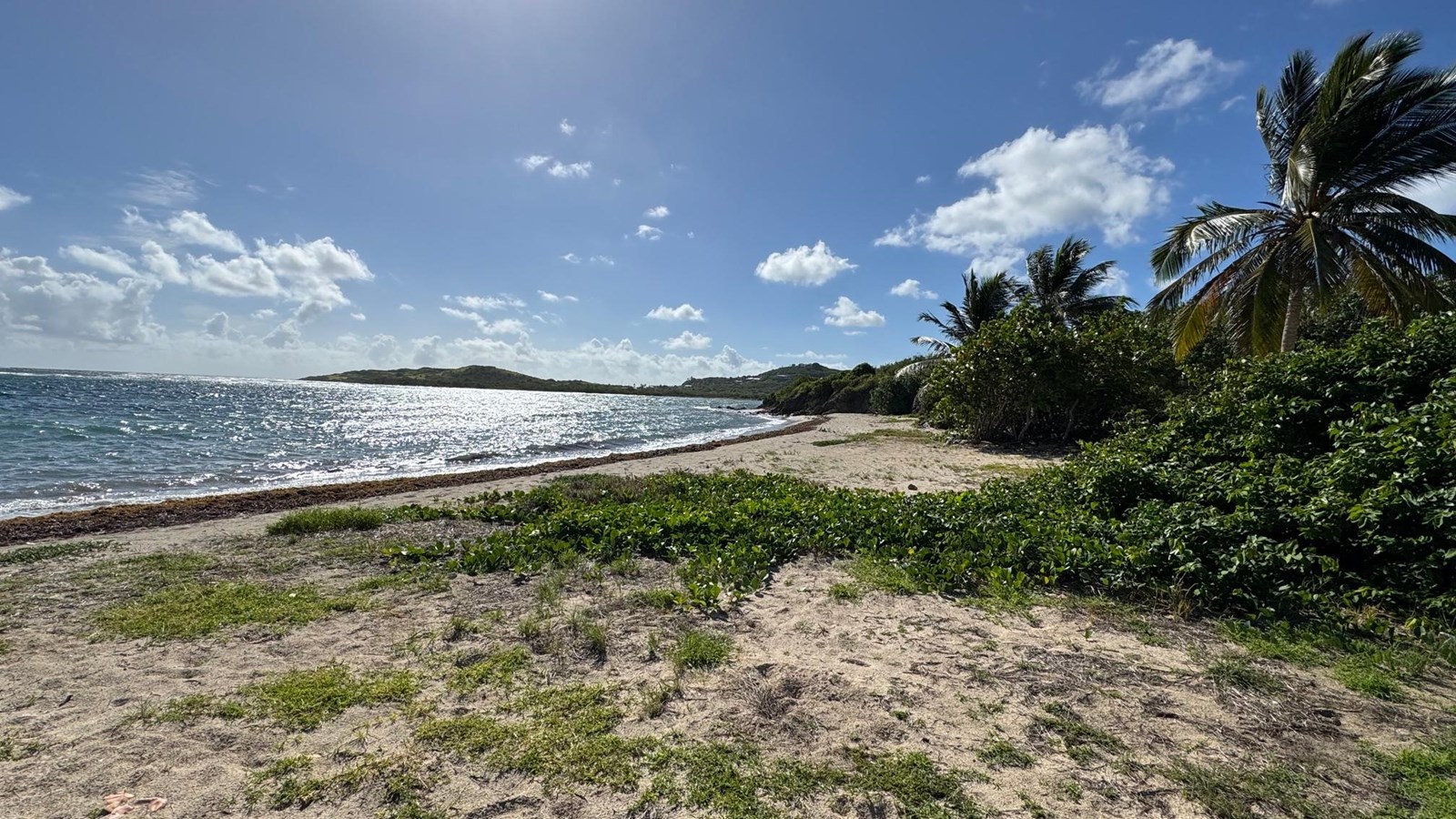
Soon after, on November 14, 1493, Christopher Columbus arrived during his second voyage to the Caribbean. Columbus Landing Site marks the location where the Spanish landed while searching for freshwater and safe anchorage. What followed was a violent encounter between Columbus’ landing party and the people living here. Several people were killed during the conflict. Columbus later named the eastern cape of the bay Cabo de las Flechas, or “Cape of the Arrows,” after the resistance his crew faced. Today, the encounter is remembered as one of the earliest recorded conflicts between Indigenous Caribbean communities and European explorers in the Americas.
The events that began here with the Spanish marked the beginning of major change in the Caribbean. Over time, European exploration transformed St. Croix and reshaped life on the island forever.