



Last updated: April 17, 2026
Place
Trap Pond State Park
Delaware State Parks
Quick Facts
Location:
33587 Bald Cypress Ln, Laurel, DE 19956
Significance:
Trap Pond State Park preserves unique baldcypress wetlands and an eighteenth-century lumbering pond landscape, offering insight into Chesapeake Bay watershed ecology, history, and long-standing human-environment connections.
Designation:
Delaware State Park; Chesapeake Gateways Network Site
MANAGED BY:
Trap Pond State Park, located in southwestern Delaware, preserves one of the northernmost naturally occurring stands of baldcypress trees in the United States. Established around a historic lumbering pond dating to the late eighteenth century, the park reflects the evolving relationship between people and the Chesapeake Bay watershed’s forested wetlands. Today, it serves as a valued partner within the Chesapeake Gateways Network, offering visitors opportunities to experience a unique coastal plain ecosystem shaped by water, forestry, and conservation.
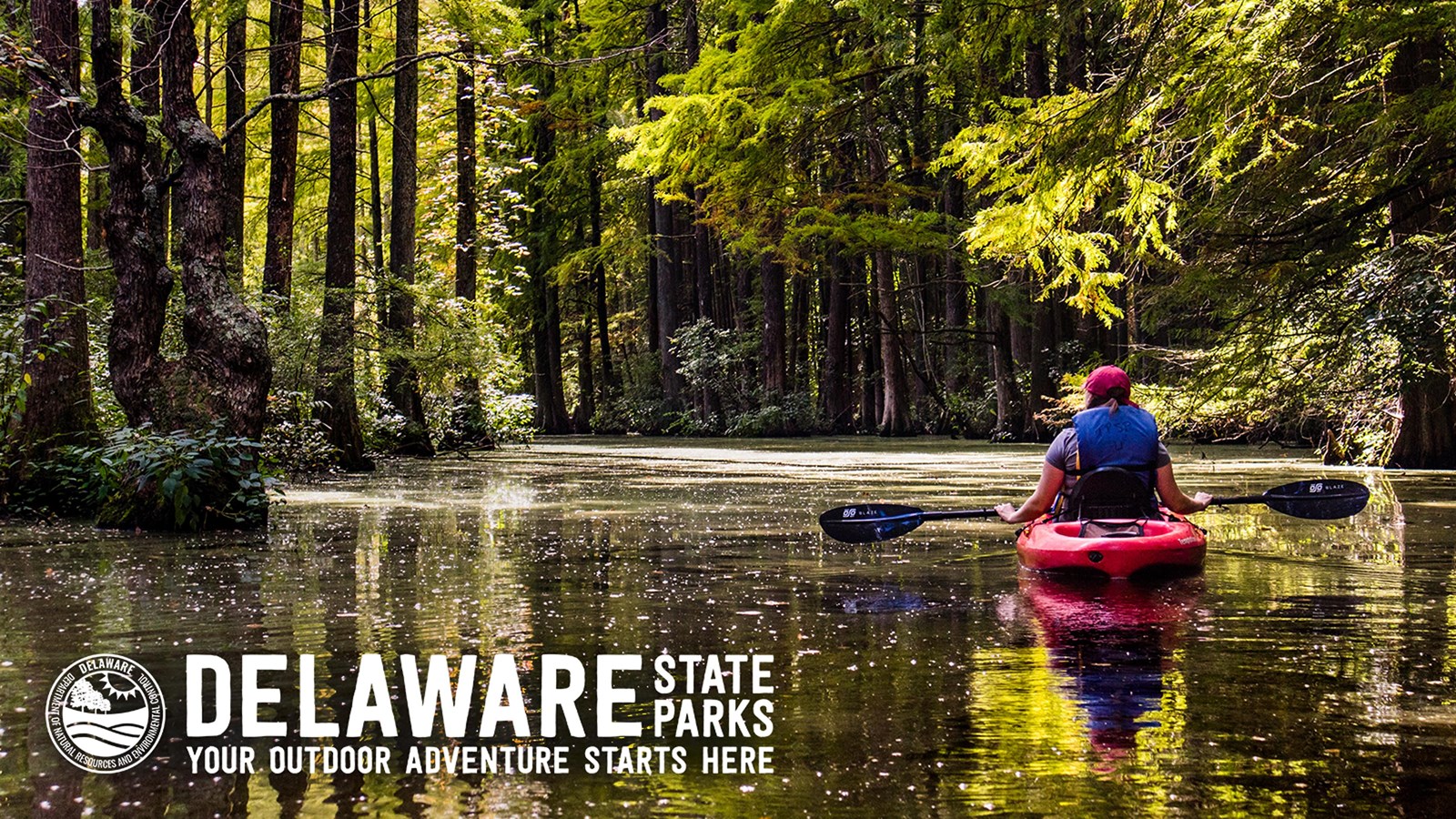
The park’s defining feature is Trap Pond itself, where visitors can paddle among towering baldcypress, observing wildlife such as turtles, herons, and songbirds. Water trails and guided Pontoon boat tours provide immersive access to these quiet wetlands, while surrounding woodlands and meadows offer hiking, biking, and nature observation. Interpretive programs and exhibits highlight the ecological importance of wetlands, forest habitats, and environmental stewardship.
Trap Pond State Park contributes to a broader understanding of the Chesapeake Bay watershed region’s natural systems and cultural history. Visitors are encouraged to learn more about planning a visit and available programs by exploring the park’s website.
The park’s defining feature is Trap Pond itself, where visitors can paddle among towering baldcypress, observing wildlife such as turtles, herons, and songbirds. Water trails and guided Pontoon boat tours provide immersive access to these quiet wetlands, while surrounding woodlands and meadows offer hiking, biking, and nature observation. Interpretive programs and exhibits highlight the ecological importance of wetlands, forest habitats, and environmental stewardship.
Trap Pond State Park contributes to a broader understanding of the Chesapeake Bay watershed region’s natural systems and cultural history. Visitors are encouraged to learn more about planning a visit and available programs by exploring the park’s website.
This location does not accept the America the Beautiful—National Parks and Federal Recreational Lands Pass. Entrance fees and ticket policies are set independently by the managing partner, as detailed on their website.