



Last updated: June 4, 2026
Place
The Arrival of the Kalinago
Quick Facts
Amenities
1 listed
Audio Description
The Arrival of the Kalinago
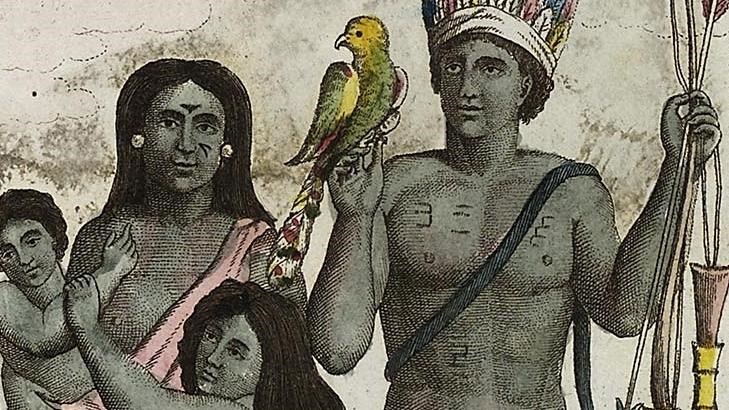
The Kalinago, also called the Caribs, began arriving in parts of the Lesser Antilles several centuries after the Taíno had established communities across the Caribbean. Historians believe Kalinago groups reached St. Croix around 800 years ago. Skilled navigators and canoe builders, they traveled between islands throughout the Caribbean, establishing communities through trade, travel, and shared traditions. They became well known for their warrior culture, raiding, and their ability to defend their people and territory.
Kalinago communities were often smaller and more mobile than those of the Taíno. Agriculture was at the heart of their culture, but families also relied on fishing and hunting to support daily life. They had different languages for men and women, the spiritual belief that natural elements were animated by spirits, and unique natural fiber crafts. Leaders known as Ouboutou (or chiefs), earned their positions through individual bravery and strength, often proving themselves through challenges or during battle.
Archaeological evidence suggests that when the Kalinago arrived at Salt River Bay, their encounters with the Taíno included both cultural exchange and conflict. The two groups likely shared ideas, foods, tools, and customs, while also competing for territory, resources, and important travel routes. Over time, some Taíno communities may have moved, adopted Kalinago traditions, or become bound to service. As a result, the Kalinago became the dominant culture on St. Croix. However, through these changes Salt River Bay remained an important gathering place where Caribbean peoples met, traded, and shaped the history of the island together.