



Last updated: June 4, 2026
Place
Taino Settlement
Quick Facts
Amenities
1 listed
Audio Description
Taíno Settlement
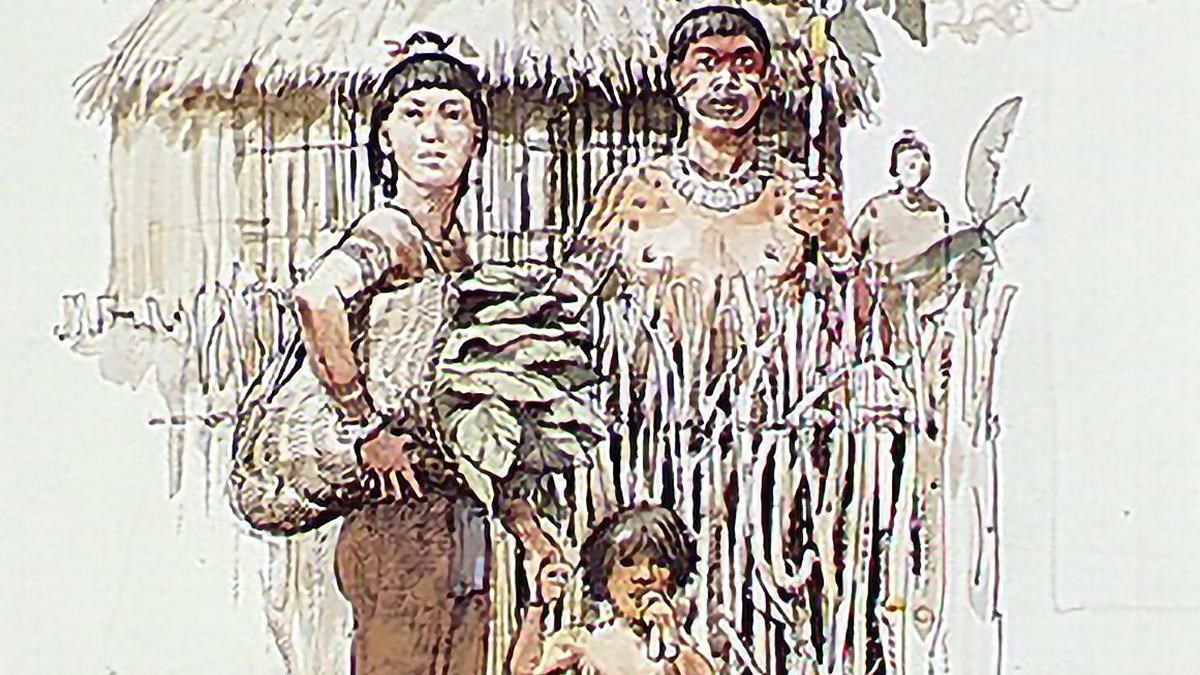
The Taíno people first arrived at Salt River Bay approximately 1,400 years ago, following earlier groups that moved through the Caribbean from South America over many generations. Traveling between islands in dugout canoes, they carried important items like cassava bread, fishing tools, stone tools, cotton cloth, beads, and small carved objects used in ceremonies. Hammocks were also important for rest during travel.
By the time they settled at Salt River Bay, the Taíno had built strong communities across many islands. They farmed, fished, and maintained rich cultural and religious traditions. Archaeologists believe that during the Taíno’s 900 years of settlement at Salt River Bay, hundreds of people may have lived here at different times, with even larger numbers gathering for trade, ceremonies, and community events.
A notable part of Taíno culture was their pottery. Used for cooking cassava, storing water, and carrying food, these pots were often shaped by hand using coils of clay. Some were strengthened with crushed shell or stone before firing to make them stronger. Many pieces featured smooth surfaces, carved designs, or stamped patterns showing animals, faces, or symbols connected to Taíno beliefs. These designs helped tell stories, making the pottery both useful and meaningful.
The influence of Taíno culture can still be seen today across the Caribbean and the Americas. Many familiar words, including “canoe,” “hurricane,” “barbecue,” and “tobacco,” come from Taíno languages. Crops cultivated by the Taíno, such as cassava, maize, sweet potatoes, and peppers, continue to shape Caribbean cuisine and agriculture. The many archaeological discoveries at Salt River Bay continue to provide insight into the Taíno people who once called this area home.