



Last updated: May 26, 2026
Place
Taino Life, Belief, and Ceremony
Quick Facts
Amenities
1 listed
Audio Description
Taino Life, Belief, and Ceremony
Taíno communities were guided by strong leaders, spiritual traditions, and ceremonial gatherings that connected people to each other and the natural world. Villages were led by a cacique, or chief, who helped make decisions, manage trade, settle disputes, and protect the community. Some caciques inherited their role through family lines, while others earned respect through wisdom, leadership, and the ability to build alliances between communities.
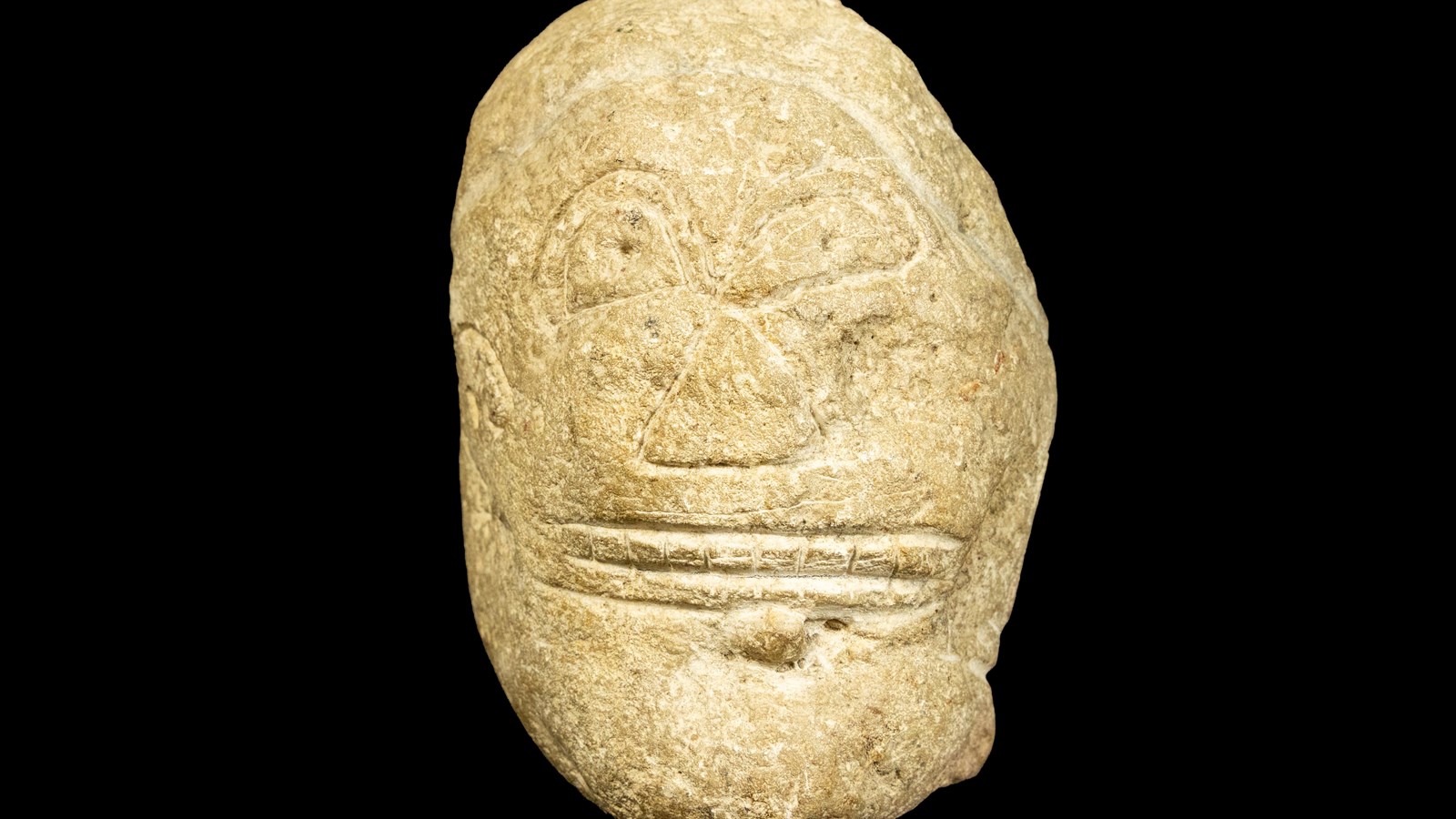
Religious leaders also played an important role in daily life. They led ceremonies, prepared medicines, and helped people understand the spirit world around them. The Taíno believed in powerful spirits called zemís, which could live in stones, trees, caves, and natural forces like rain, storms, and fertility. Many carved zemí artifacts made from stone, shell, wood, and clay have been discovered at Taíno sites throughout the Caribbean, including Salt River Bay. These objects are more than archaeological artifacts; they are reminders of the people, beliefs, and traditions that shaped life here centuries ago.
The ceremonial stone-lined ball court, or batey, discovered at Salt River shows that this was more than a small village. It was a gathering place where communities came together for dances, games, storytelling, music, and ceremonies known as areytos. Imagine the sounds of drums, singing, and voices carrying across the bay as families gathered to celebrate, compete, and share stories from one generation to the next. This was the center of political, spiritual, and community life. Through music, movement, and oral tradition, the Taíno preserved their history, beliefs, and identity long before those stories were ever written down.