



Last updated: June 15, 2026
Place
Smithsonian Environmental Research Center
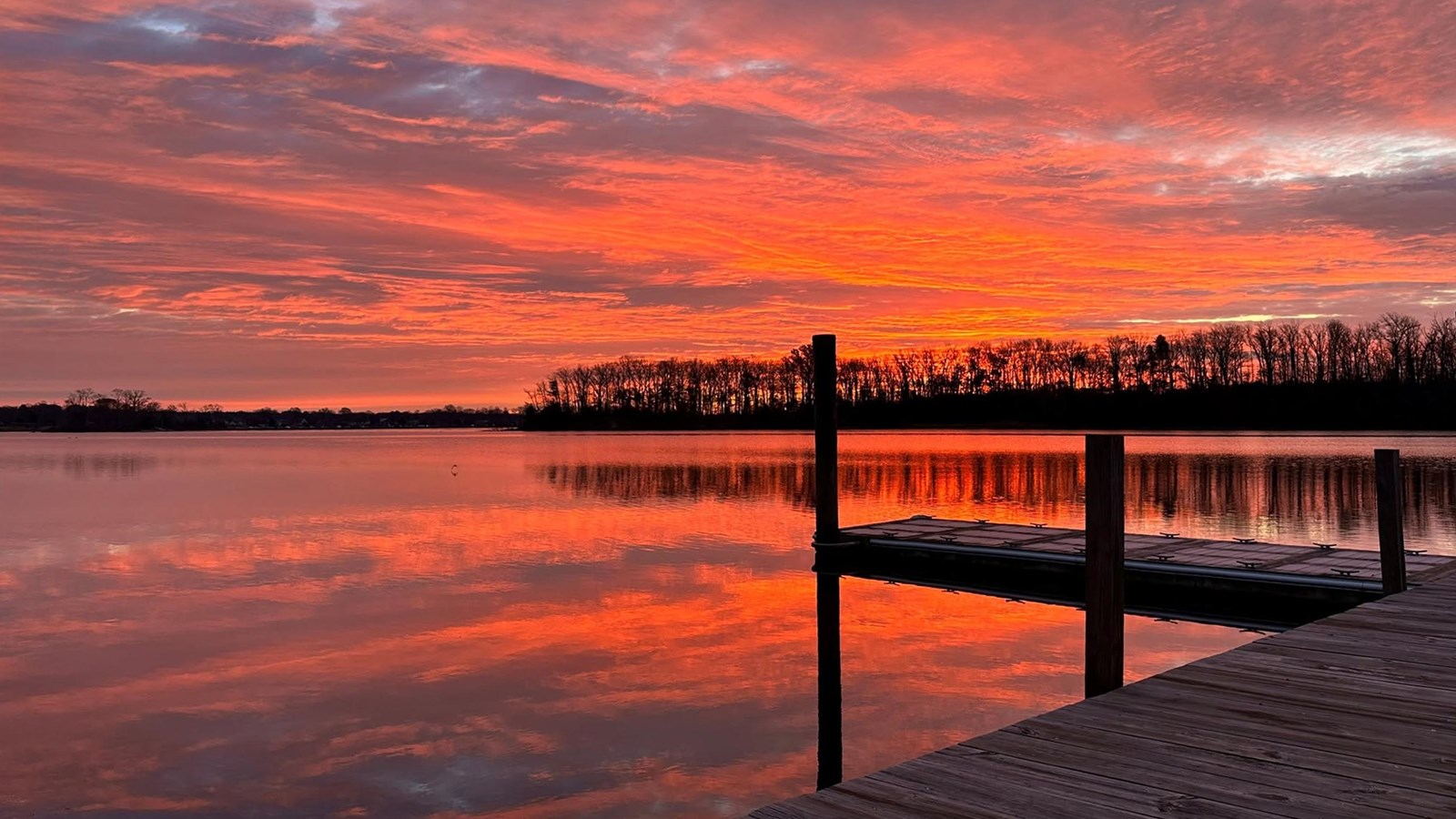
Nicole Campbell
Quick Facts
Location:
647 Contees Wharf Road, Edgewater, MD 21037
Significance:
The Smithsonian Environmental Research Center connects environmental science, Chesapeake Bay stewardship, and 375 years of cultural history through research, education, public access, and interpretation along the Rhode River.
Designation:
Chesapeake Gateways Network Site
Amenities
4 listed
Historical/Interpretive Information/Exhibits, Information, Parking - Auto, Scenic View/Photo Spot
The Smithsonian Environmental Research Center (SERC) offers visitors an opportunity to explore the interconnected natural and human stories of the Chesapeake Bay watershed through science, history, recreation, and environmental stewardship. Located on 2,654 acres along the Rhode River in Edgewater, Maryland, SERC is the largest site dedicated to environmental research and public engagement on the Chesapeake Bay shoreline.
Visitors can experience forests, wetlands, and waterways by walking several miles of trails, exploring interpretive exhibits, or launching a nonmotorized boat to paddle Sellman Creek, Muddy Creek, and the Rhode River. The Fox Creek Nature Trail introduces ecological topics such as wetlands, living shorelines, and native and invasive species.
At Woodlawn, the oldest building in the Smithsonian’s collection, visitors discover more than 375 years of Chesapeake history. Exhibits and the Woodlawn History Trail interpret Indigenous lifeways, European settlement, agriculture, slavery, immigration, transportation, and environmental change while connecting local stories to broader American history.
As a Chesapeake Gateways Network Site, SERC helps visitors understand how scientific research, conservation, and community engagement contribute to the future of the Chesapeake Bay watershed. Connections to nearby heritage resources, including the Star-Spangled Banner National Historic Trail, further expand opportunities for exploration. Visitors are encouraged to learn more by visiting SERC’s website and planning a future visit.
Visitors can experience forests, wetlands, and waterways by walking several miles of trails, exploring interpretive exhibits, or launching a nonmotorized boat to paddle Sellman Creek, Muddy Creek, and the Rhode River. The Fox Creek Nature Trail introduces ecological topics such as wetlands, living shorelines, and native and invasive species.
At Woodlawn, the oldest building in the Smithsonian’s collection, visitors discover more than 375 years of Chesapeake history. Exhibits and the Woodlawn History Trail interpret Indigenous lifeways, European settlement, agriculture, slavery, immigration, transportation, and environmental change while connecting local stories to broader American history.
As a Chesapeake Gateways Network Site, SERC helps visitors understand how scientific research, conservation, and community engagement contribute to the future of the Chesapeake Bay watershed. Connections to nearby heritage resources, including the Star-Spangled Banner National Historic Trail, further expand opportunities for exploration. Visitors are encouraged to learn more by visiting SERC’s website and planning a future visit.
This location does not accept the America the Beautiful—National Parks and Federal Recreational Lands Pass. Entrance fees and ticket policies are set independently by the managing partner, as detailed on their website.