



Last updated: June 30, 2026
Place
Passages of the Western Potomac Heritage Area
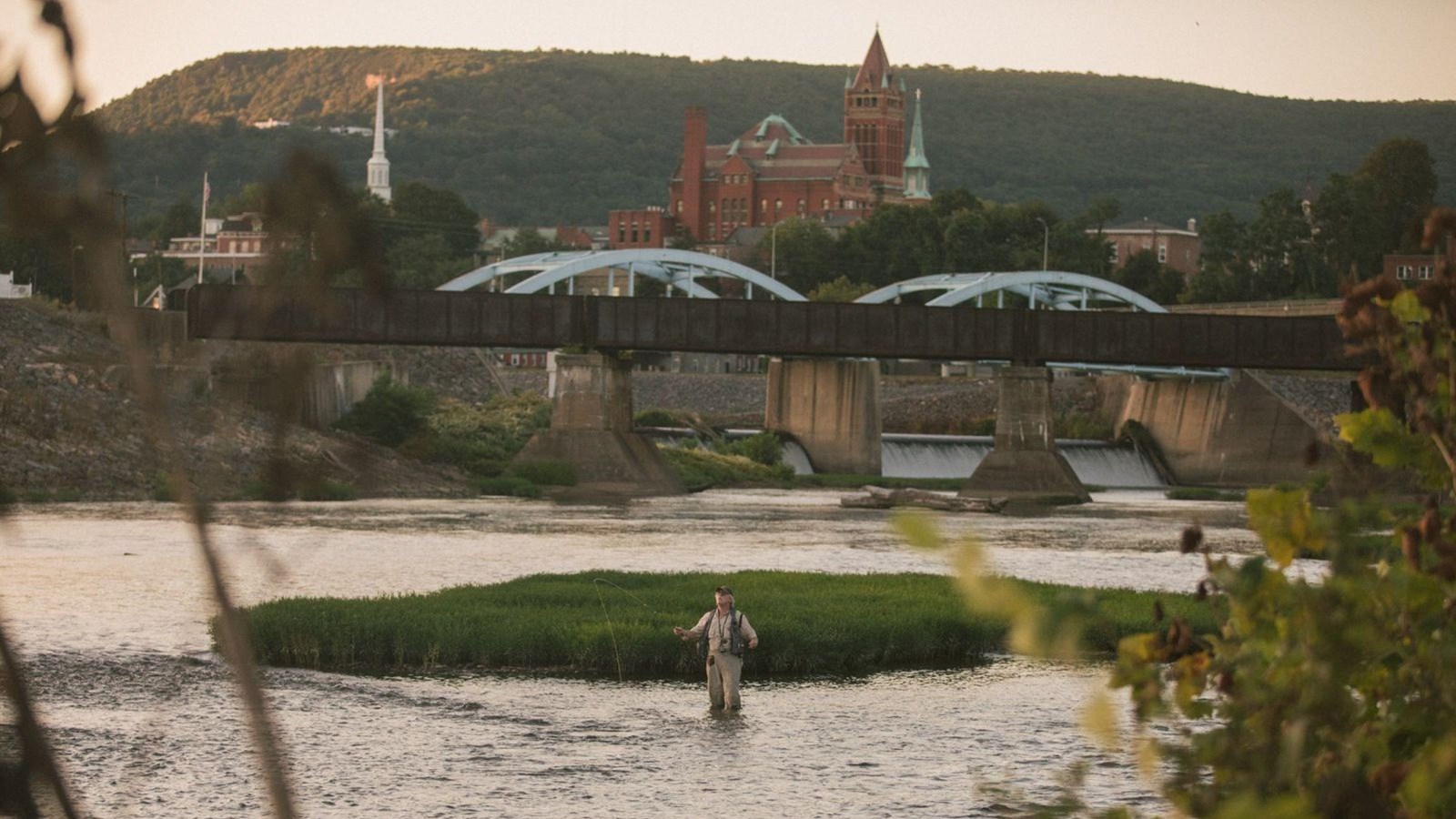
The Passages of the Western Potomac Heritage Area
Quick Facts
Location:
13 Canal Street, Cumberland, MD 21502
Significance:
The Passages of the Western Potomac Heritage Area preserves a nationally important transportation corridor linking waterways, railroads, and roads within the upper Chesapeake Bay watershed.
Designation:
Maryland Heritage Area; Chesapeake Gateways Network Heritage Area
Amenities
6 listed
Canoe/Kayak/Small Boat Launch, Electric Car Charging Station, Gifts/Souvenirs/Books, Historical/Interpretive Information/Exhibits, Pets Allowed, Playground
The Passages of the Western Potomac Heritage Area invites visitors to explore one of the most important crossroads in the Chesapeake Bay watershed. Centered in Allegany County, Maryland, this heritage area tells the story of how rivers, canals, railroads, and roads connected the region to the rest of the nation. As part of the Chesapeake Gateways Network, it brings together natural beauty, historic sites, and engaging exhibits that reveal how people, goods, and ideas moved through the upper Potomac Valley.
Visitors can begin their journey at Canal Place, where interactive displays and a life size canal boat introduce the C & O Canal and its role in regional commerce. From there, cyclists and walkers can follow the C & O Canal Towpath and the Great Allegheny Passage, while train riders experience the landscape aboard the Western Maryland Scenic Railroad. Along the way, interpretive sites share stories of coal transportation, westward migration, and early railroad development.
The heritage area also highlights freedom seeking routes connected to the Fort Cumberland tunnels and features monuments, museums, and historic downtown districts in Cumberland and Frostburg. Together, these sites create a rich network of learning and discovery.
Whether exploring on foot, by bike, or by train, visitors will find countless ways to connect with the Chesapeake’s inland waterways and transportation heritage. Learn more by visiting their website.
Visitors can begin their journey at Canal Place, where interactive displays and a life size canal boat introduce the C & O Canal and its role in regional commerce. From there, cyclists and walkers can follow the C & O Canal Towpath and the Great Allegheny Passage, while train riders experience the landscape aboard the Western Maryland Scenic Railroad. Along the way, interpretive sites share stories of coal transportation, westward migration, and early railroad development.
The heritage area also highlights freedom seeking routes connected to the Fort Cumberland tunnels and features monuments, museums, and historic downtown districts in Cumberland and Frostburg. Together, these sites create a rich network of learning and discovery.
Whether exploring on foot, by bike, or by train, visitors will find countless ways to connect with the Chesapeake’s inland waterways and transportation heritage. Learn more by visiting their website.