



Last updated: July 21, 2026
Place
Mount Harmon Plantation
Mount Harmon Plantation
Quick Facts
Location:
600 Mount Harmon Road, Earleville, Maryland 21919
Significance:
Mount Harmon Plantation, listed on the National Register of Historic Places, preserves a colonial-era tobacco plantation on Maryland’s Sassafras River, interpreting Native, enslaved, and settler histories tied to Chesapeake Bay trade and culture.
Designation:
National Register of Historic Places; Chesapeake Gateways Network Site
MANAGED BY:
Amenities
4 listed
Canoe/Kayak/Small Boat Launch, Dock/Pier, Gifts/Souvenirs/Books, Historical/Interpretive Information/Exhibits
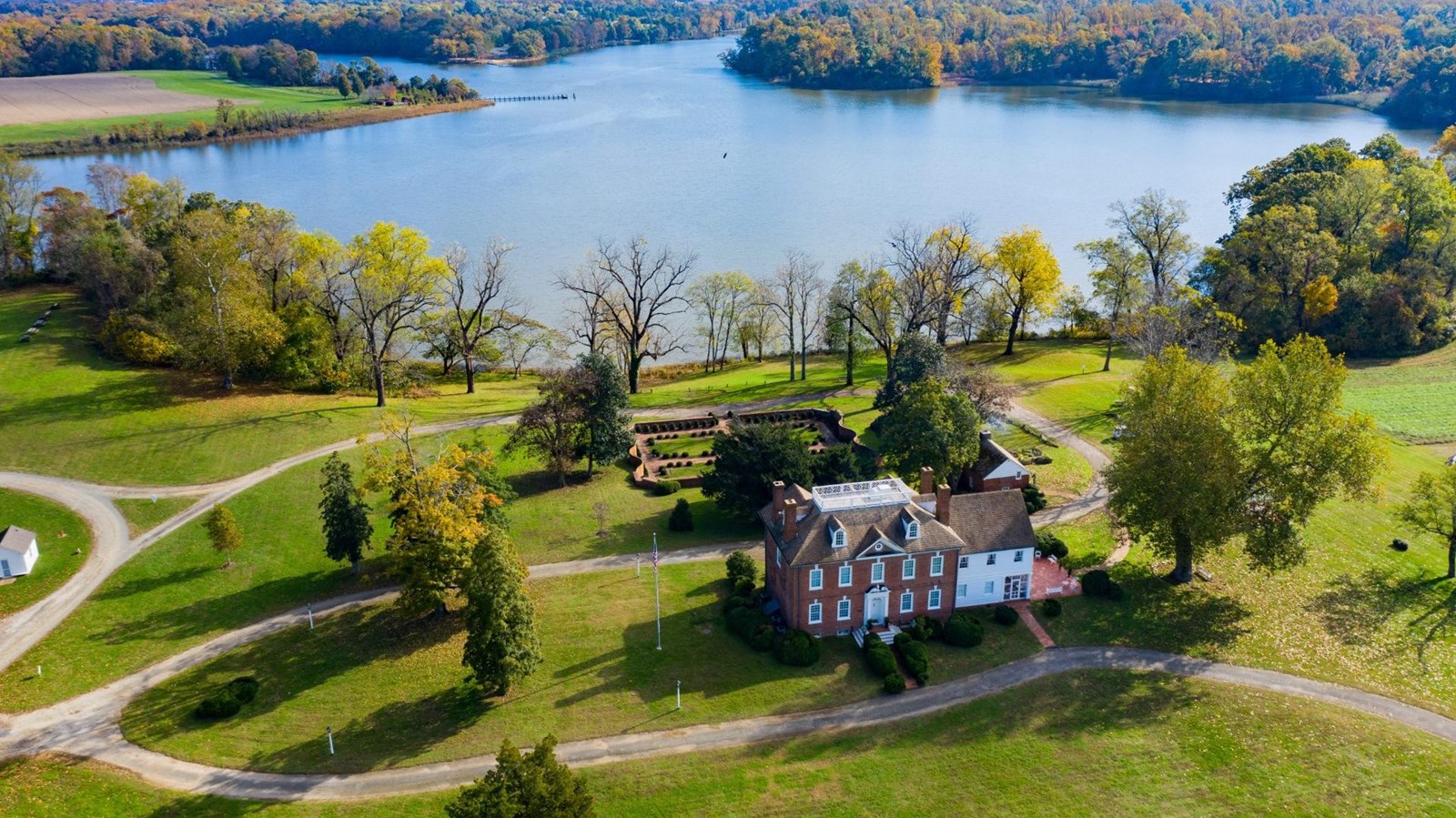
Mount Harmon Plantation is an important Tidewater historic site and 200-acre waterfront nature preserve owned and administered by the Friends of Mount Harmon. The organization offers engaging educational programming that connects thousands of visitors each year to centuries of Chesapeake Bay history. Once a 1,200-acre tobacco plantation, the site includes the historic Manor House, plantation outbuildings, and colonial gardens. Together, these resources interpret the colonial era, when Mount Harmon was a thriving tobacco plantation, and the experiences of those who lived and labored there, including Indigenous peoples, European settlers, indentured servants, enslaved individuals, tenant farmers, and generations of the George and Fisher families who helped maintain and preserve Mount Harmon. The plantation’s location along the Sassafras River places it within a landscape central to the Chesapeake story, where Captain John Smith encountered the Tockwogh people during his 1608 voyage.
Visitors can tour the colonial manor house and explore original and reconstructed plantation outbuildings, including a hearth kitchen, smokehouse, tobacco barn, and quarters for enslaved people, which help bring the site’s history to life. Visitor center exhibits and wayside panels along the waterfront nature trails illuminate Mount Harmon’s role in transatlantic commerce and its connections to the Chesapeake Bay as a vital artery for trade.
Beyond its historical interpretation, Mount Harmon offers expansive grounds, gardens, and nature trails for hiking, birding, and picnicking, as well as opportunities to paddle along the Sassafras River. Seasonal special events, living-history programs, and educational tours make the site a regional destination for learning and recreation.
As part of the Chesapeake Gateways Network, Mount Harmon Plantation helps visitors explore the region’s complex history and enduring ties to the Bay. To learn more, please visit the Mount Harmon Plantation website.
This location does not accept the America the Beautiful—National Parks and Federal Recreational Lands Pass. Entrance fees and ticket policies are set independently by the managing partner, as detailed on their website.
Visitors can tour the colonial manor house and explore original and reconstructed plantation outbuildings, including a hearth kitchen, smokehouse, tobacco barn, and quarters for enslaved people, which help bring the site’s history to life. Visitor center exhibits and wayside panels along the waterfront nature trails illuminate Mount Harmon’s role in transatlantic commerce and its connections to the Chesapeake Bay as a vital artery for trade.
Beyond its historical interpretation, Mount Harmon offers expansive grounds, gardens, and nature trails for hiking, birding, and picnicking, as well as opportunities to paddle along the Sassafras River. Seasonal special events, living-history programs, and educational tours make the site a regional destination for learning and recreation.
As part of the Chesapeake Gateways Network, Mount Harmon Plantation helps visitors explore the region’s complex history and enduring ties to the Bay. To learn more, please visit the Mount Harmon Plantation website.
This location does not accept the America the Beautiful—National Parks and Federal Recreational Lands Pass. Entrance fees and ticket policies are set independently by the managing partner, as detailed on their website.