



Last updated: July 8, 2026
Place
Ma'i Ho'oka'awale
Hawaiʻi State Archives
Quick Facts
OPEN TO PUBLIC:
No
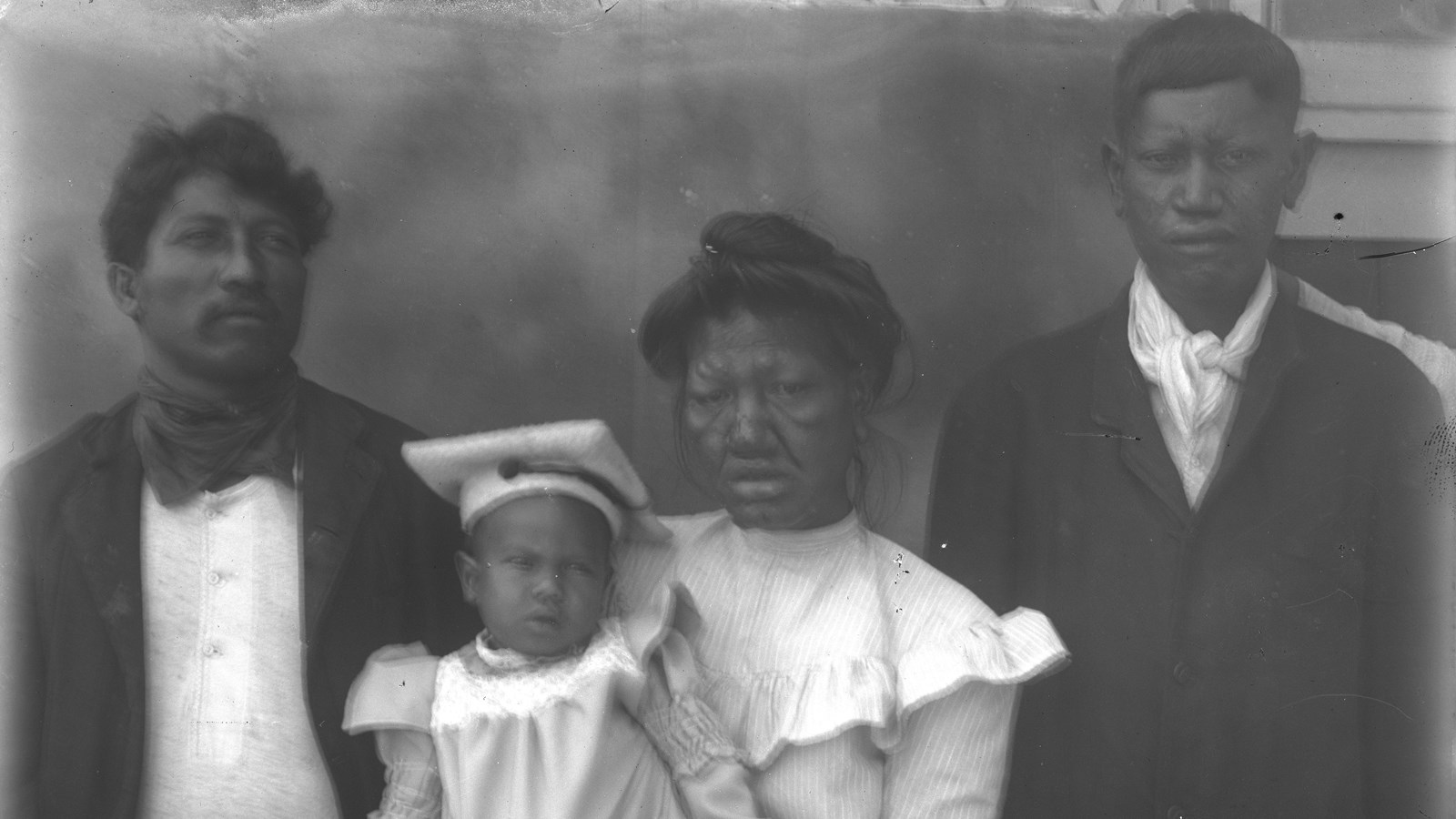
Hawaiian woman, aged 70 who arrived in Kalaupapa in 1936
I was born on Maui, in the little community of Hana. I was twenty-seven when my mother noticed red spots on my body. I was married; I had two children. My family sent me to the doctor in Wailuku to look at the spots. Right away he knew. He said, if you go to Kalihi Hospital in Honolulu, they will cure you in three months. He promised me a cure for this disease. But my mother knew of this illness, and after the doctor examined me, she looked at me with sad eyes. She said, you have the ma'i hookaawale (the separating sickness). I think she knew I had the sickness before I went to see the doctor.
My mother did not want me to go to Kalihi Hospital. She knew more about the sickness than I did. Maybe she knew I would not be cured. So, she suggested I not show myself to anybody. She said 'go hide. Hide inside the house. When someone comes to the house, run out the back door into the bushes on the mountain side.' And I did that for three months. I went into hiding and the Health Department inspector did not find me. But, I had a husband and two children. There was so much crying over me, and I began to tire of the hiding life. I thought, I will try the cure. Maybe in three months I will get well. After all, the doctor promised. So, I left for Honolulu. My family told our neighbors I was going to visit relatives.
When I arrived at Kalihi Hospital right away they put me into isolation on the women's side of the place. The next day they gave me a physical examination. My body was covered with red lesions--round rings with lumpy spots in the center, bumpy little spots. The doctors gathered around me while a stood there naked in the white tile room. I was cold, and I only had a sheet around me. The doctors would give me the treatment. In those days, the only treatment was chaulmoogra oil. After three months, the chaulmoogra oil helped me. The red spots went down, but I never went home again. Even though the spots went down, they would not release me. Since they would not let me out of Kalihi and because they were so strict there, I volunteered to go to Kalaupapa where there was more freedom. I found a new life at Kalaupapa, and my old life broke apart.
I remained in Kalauapapa for thirty years. I was finally paroled in 1966. My mother was still alive, so I wrote to her and told her I was finally cured. I could come home. After a long while, her letter came. She said, 'Don't come home. You stay at Kalaupapa.' I wrote her back and said I wanted just to visit, to see the place where I was born. Again, she wrote back. This time she said, 'No, you stay there.' You see, my mother had many friends and I think she felt shame before them. I was disfigured, even though I was cured. So, she told me, her daughter, 'Don't come home'. She said 'You stay right where you are. Stay there, and leave your bones at Kalaupapa.' I don't blame her. I am more happy at Kalaupapa. This place is finally my real home. They take good care of me here.
I don't feel bad. I love this place now. These are my people. We are all together and we feel pity and love for one another. We try to help one another. I won't leave this place, because now I know people are still scared of this disease. As long as you are a leper, that's all, they still fear you. Chinese are most scared of this sickness, but Hawaiians are scared too.
The worst thing about having this sickness is having it. There is nothing good about it. I am no match for those outside people anymore. I am embarrassed by my scars. I am not fit to live with others. If they try to force us to leave Kalaupapa, I will commit suicide...So I will stay here. Like my mother said, I will leave my bones at Kalaupapa.