



Last updated: June 11, 2026
Place
Jack Walker Home Site
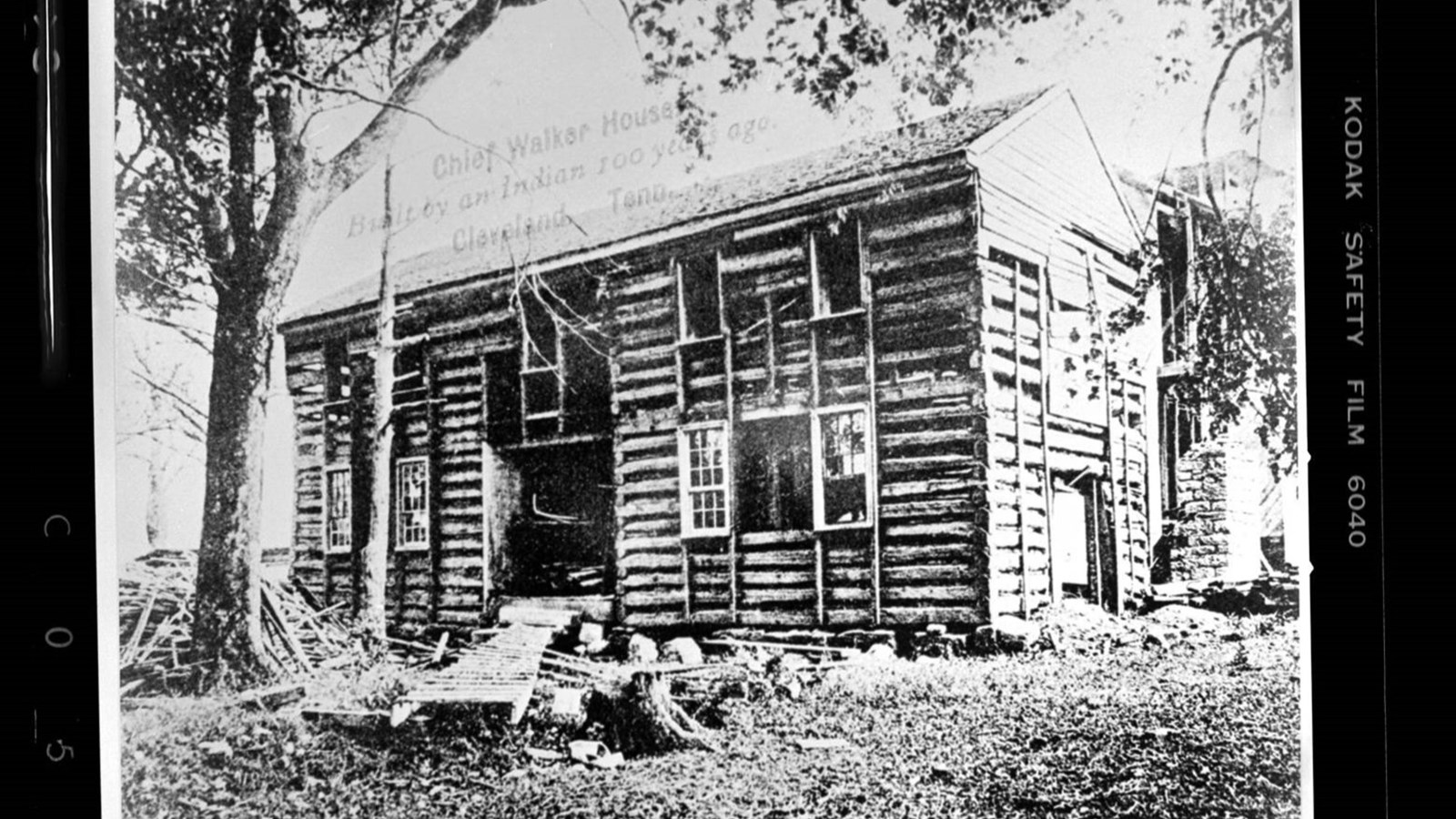
Courtesy Tennessee State Library & Archives, Looking Back at Tennessee Photo Collection, 1890-1981.
Quick Facts
Location:
U.S. 11 and Paul Huff Parkway, Cleveland, Tennessee.
Significance:
Jack Walker was involved in treaty negotiations between the Cherokee and the U.S. government. In August 1834, he was assassinated by anti-removal advocates. The location of his home is marked by a historical marker.
Designation:
Historic site on the Trail of Tears NHT.
MANAGED BY:
City of Cleveland
Amenities
1 listed
Historical/Interpretive Information/Exhibits
John “Jack” Walker was the son of Major John Walker, Jr., a veteran who fought with Andrew Jackson at the battle of Horseshoe Bend and the grandson of Nancy Ward. With his father, Jack Walker was involved in treaty negotiations between the Cherokee and the U.S. Government.
In Cherokee culture at that time, having two wives was not uncommon for a man of status. Walker shared a home with his white wife, Emily Stanfield Meigs, while maintaining a relationship with his Cherokee wife, Nancy Bushyhead (who lived with her brother), and provided for both families in his will. Emily remained in Bradley County, but Nancy and her family were removed west, and she died on the Trail of Tears in Cape Girardeau, Missouri.
A historical marker designating the location of Walker’s two-story log home stands on Hwy 11. Jack Walker believed that the only way for his people to maintain independence was to sell their remaining ancestral lands and move west. Removal was a divisive topic amongst the Cherokee. In August 1834, Jack Walker was assassinated by anti-removal advocates.
Site Information
Location (U.S. 11 and Paul Huff Parkway, Cleveland, Tennessee.)
Safety Considerations