



Last updated: May 21, 2026
Place
Islands on the Horizon
Quick Facts
Amenities
1 listed
Scenic View/Photo Spot
Islands on the Horizon
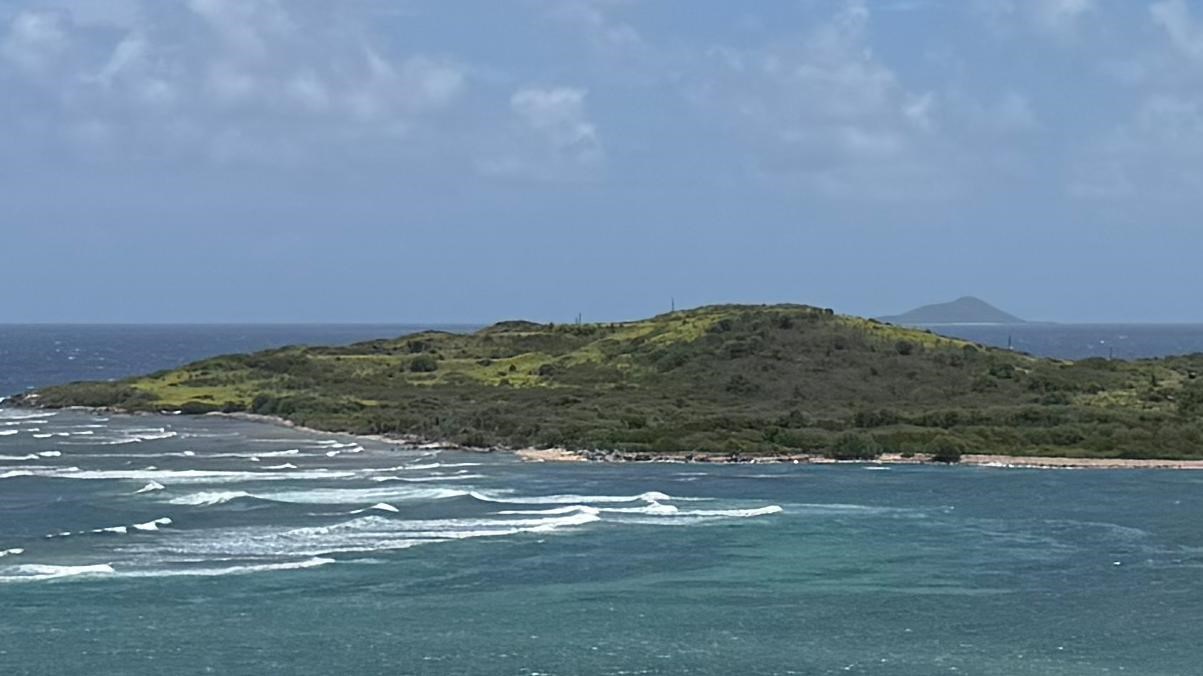
Long before European ships crossed the Caribbean, Taíno communities traveled these waters in large dugout canoes, navigating by the stars, winds, currents, and the islands themselves. Over generations, their ancestors gradually moved northward from the Orinoco River Valley in South America, island by island, carrying with them language, traditions, farming knowledge, and connections between communities spread across the sea.
For the Taíno, the Caribbean was not a barrier — it was a network of pathways. Islands visible on the horizon became destinations for exploration, trade, fishing, and new settlement. As communities traveled through the Caribbean, they brought crops and agricultural knowledge with them. One of the most important was cassava, a starchy root that could be grown in tropical soils and stored for long periods after processing. Bitter cassava naturally contains toxic compounds, but Taíno communities developed careful methods to grate, press, and cook the root safely into bread and other foods. Other useful plants and resources also spread through these island networks, helping communities adapt and thrive across the Caribbean.
Eventually, these voyages brought Taíno communities to Ay Ay, the island known today as St. Croix. Salt River offered an ideal place to settle. Protected waters provided safe canoe access and abundant marine resources, while nearby forests, freshwater sources, and fertile land supported agriculture and daily life. The bay also connected St. Croix to neighboring islands, making Salt River an important crossroads for travel, trade, and cultural exchange throughout the Caribbean.