



Last updated: October 1, 2026
Place
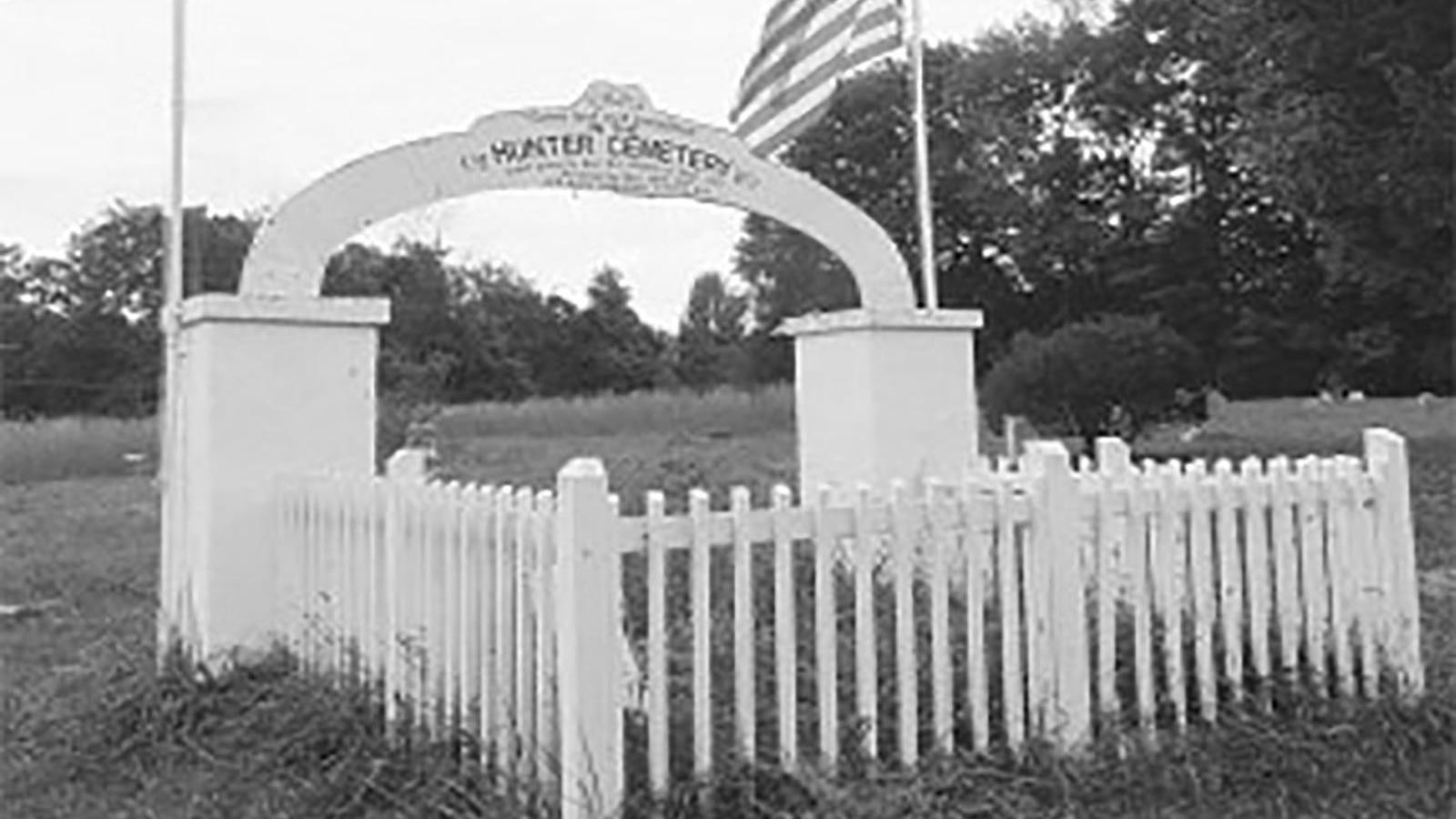
Hunter Cemetery
NPS
Quick Facts
Amenities
1 listed
Parking - Auto
African American Heritage Driving Tour Stop 16: African American Cemeteries
If using the NPS app, to listen to the audio narrative, press the green button below or read the audio narrative text below.Audio Narrative:
Written by: Natalie Ivy
Narrated by: Kabrea James
Prior to the Civil Rights Act of 1965, American cemeteries were largely segregated, as was the case with most public spaces across the country. In 1955, it was estimated that approximately 90% of American public cemeteries abided by some level of racial segregation.[1] This division was not only because of different cultural traditions surrounding burial, but also to reinforce the notion that black and white Americans were fundamentally different and could not cohabitate, even in death.
Wright-Hunter Cemetery, known colloquially as Hunter Cemetery, was the first black cemetery in Raleigh County. It was established in 1906 by Reverend David Carter Hunter. Rev. Hunter was a prominent member of Raleigh County’s black community, known for founding 8 churches in the New River region. One of these was Ebenezer Baptist Church, Beckley’s first church for black congregants. Rev. Hunter was born into enslavement in 1864 in Bedford County, VA. He began his career in ministry at age 23 while working as a West Virginia coal miner after experiencing a religious awakening. He quickly became a pivotal figure in the New River region, a proponent of accessible religious practices, expanded education, and community involvement. He remained in Raleigh County with his family until his death in 1944.
Hunter Cemetery served as a non-denominational burial ground, with operations spanning from 1906 until 1960. The graves and iconography speak to the varied and colorful lives of Beckley’s black community. The cemetery has been cared for by community members since its inception and is currently supported by the Raleigh County chapter of the NAACP.
Greenwood Memorial Park was established in 1928 as a “perpetual care cemetery,” and promised upkeep and maintenance would be provided indefinitely for purchased plots and headstones. Norman Collins, a prominent black dentist from Beckley, was the original caretaker of the site.[2] Greenwood Memorial Park is still operational today and remains an important landmark for Raleigh County’s black history.
[1] (see: Rice v. Sioux City Memorial Park, 1955, and Kitty Rogers, Integrating the City of the Dead: The Integration of Cemeteries and the Evolution of Property Law, 1900-1969, Alabama Law Review, Vol 56 Issue 4, 2004-2005,1153-1166 1156)
[2] (Beckley Register Herald, Greenwood Memorial Park Still Needs Help, October 9, 2009, 1)
Driving Directions
Hunter Cemetery
Physical Address: 99 Antonio Avenue, Beckley, WV 25801
GPS Coordinates: N37.765073 -W81.171998
From Beckley, WV: Travel on I-77 north or south to Exit 42. Follow the exit ramp onto Highway 16 north/97 east toward Mabscott and Beckley, WV (Robert C. Bryd Drive). Travel 1.3 miles to Neville Street in Beckley, WV. Turn right onto Neville Street and travel 5 blocks to South Fayette Street. Turn right onto South Fayette Street and travel 1.3 miles to Antonio Avenue. Turn right onto Antonio Avenue and drive to the top of the street. Tour Stop #16 and parking is along the fence that encloses the cemetery.
Driving Directions to next Tour Stop
John Henry Park
Physical Address: 3262 WV Route 3, Talcott, WV 25951
GPS Coordinates: N37.652038 -W80.762975
From the Hunter Cemetery, return to South Fayette Street and turn right. Travel to Highway 3 east and turn right. Travel approximately 29.5 miles on Highway 3 east to Talcott, WV (You will cross the New River at Hinton and the Greenbrier River on Highway 3). Turn right at the John Henry Park sign at Talcott. Tour Stop #17and parking are at the end of the road.