



Last updated: August 4, 2026
Place
Falling Springs Falls
Virginia Department of Conservation & Recreation
Quick Facts
Location:
US-220, Hot Springs, VA 24445
Significance:
Falling Spring Falls is a historic landmark in Virginia’s Alleghany Highlands, offering scenic views of a prominent waterfall within the broader landscape of the Chesapeake Bay watershed.
Designation:
Chesapeake Gateways Network Site
Amenities
5 listed
Cellular Signal, Historical/Interpretive Information/Exhibits, Parking - Auto, Pets Allowed, Wheelchair Accessible
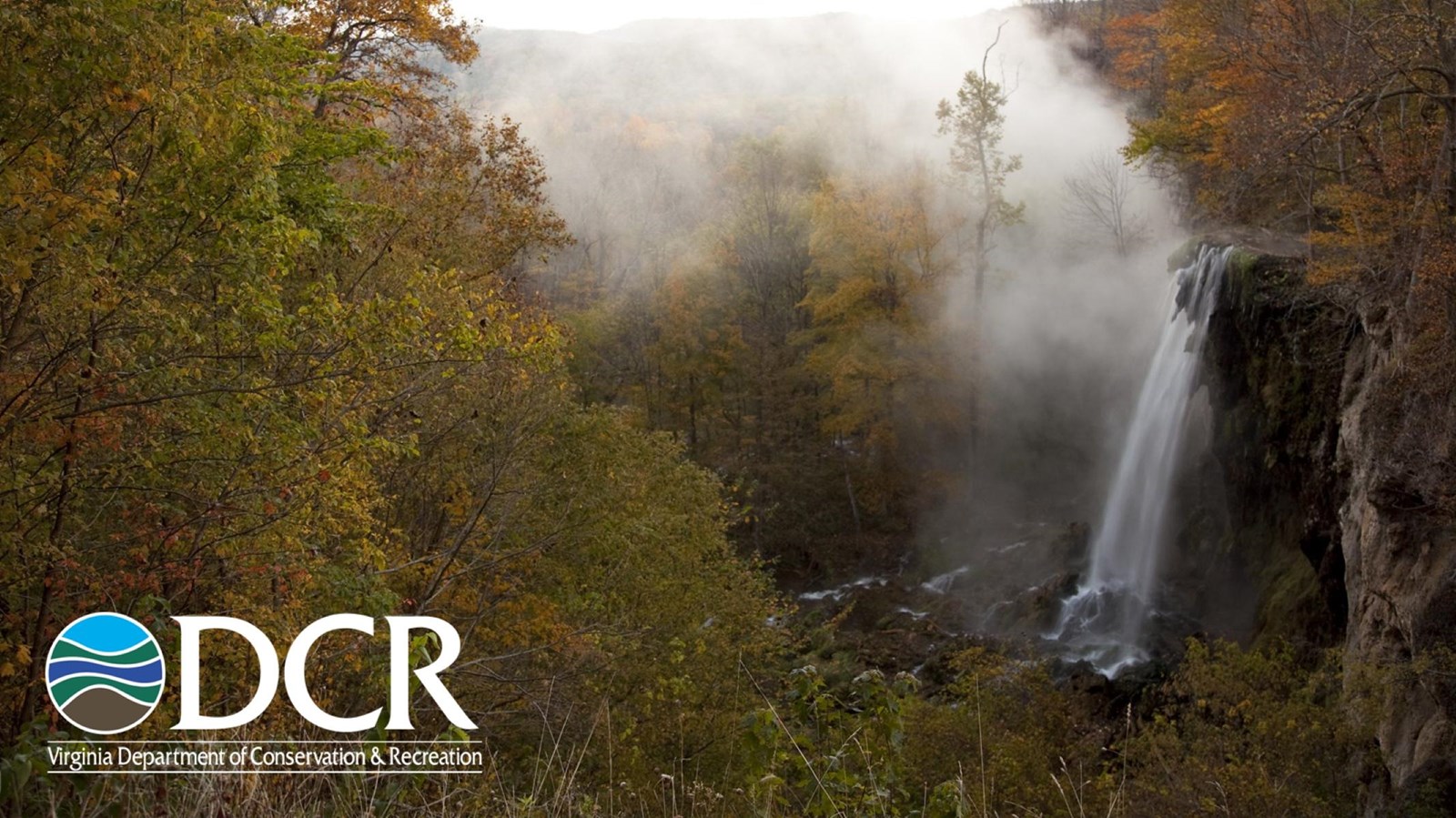
Falling Spring Falls is a scenic roadside waterfall located along U.S. Route 220, five miles north of Covington in Virginia’s Alleghany Highlands. This park boasts an 80-foot cascade that falls from an overhanging limestone ledge, enveloping the area in a mist as it descends into Falling Spring Valley. The falls are part of the upper James River watershed, which ultimately connects to the Chesapeake Bay watershed. Easily visible from the roadway, Falling Spring Falls has long been celebrated for its surreal and picturesque beauty. The falls offer visitors a peaceful escape from the modern world, inviting appreciation of Virginia’s natural wonders.
In 1771, post-colonialism King George III granted the surrounding land to Gabriel Jones. In 1780, Governor Thomas Jefferson transferred the property to Major Thomas Massie. From 1914 to 1926 a producer of travertine material, Ohio C. Barber Fertilizer Company, mined fertilizer in the area. In 1927 Falling Spring Lime Company assumed operations until 1941. While those historic mining operations harmed the ecosystem and reduced the waterfall’s height, the site remains one of Virginia’s most visited spots and photographed natural features. Once the lime company closed, the land was bought by Mead Westvaco who later donated it to the Virginia Department of Conservation and Recreation.
Today, visitors can park in a small pull-off area and walk a paved path to a scenic overlook. Picnic tables and interpretive signage provide opportunities to pause and reflect on the view. For safety and resource protection, access beyond the overlook is prohibited and strictly enforced.
Falling Spring Falls embodies Chesapeake Gateways' themes of interconnectedness, wonder, and celebration of the watershed's unique ecosystems, providing a welcoming place to view the headwaters that eventually flow into the Chesapeake.
In 1771, post-colonialism King George III granted the surrounding land to Gabriel Jones. In 1780, Governor Thomas Jefferson transferred the property to Major Thomas Massie. From 1914 to 1926 a producer of travertine material, Ohio C. Barber Fertilizer Company, mined fertilizer in the area. In 1927 Falling Spring Lime Company assumed operations until 1941. While those historic mining operations harmed the ecosystem and reduced the waterfall’s height, the site remains one of Virginia’s most visited spots and photographed natural features. Once the lime company closed, the land was bought by Mead Westvaco who later donated it to the Virginia Department of Conservation and Recreation.
Today, visitors can park in a small pull-off area and walk a paved path to a scenic overlook. Picnic tables and interpretive signage provide opportunities to pause and reflect on the view. For safety and resource protection, access beyond the overlook is prohibited and strictly enforced.
Falling Spring Falls embodies Chesapeake Gateways' themes of interconnectedness, wonder, and celebration of the watershed's unique ecosystems, providing a welcoming place to view the headwaters that eventually flow into the Chesapeake.
This location does not accept the America the Beautiful—National Parks and Federal Recreational Lands Pass. Entrance fees and ticket policies are set independently by the managing partner, as detailed on their website.