



Last updated: July 8, 2026
Place
Board of Health
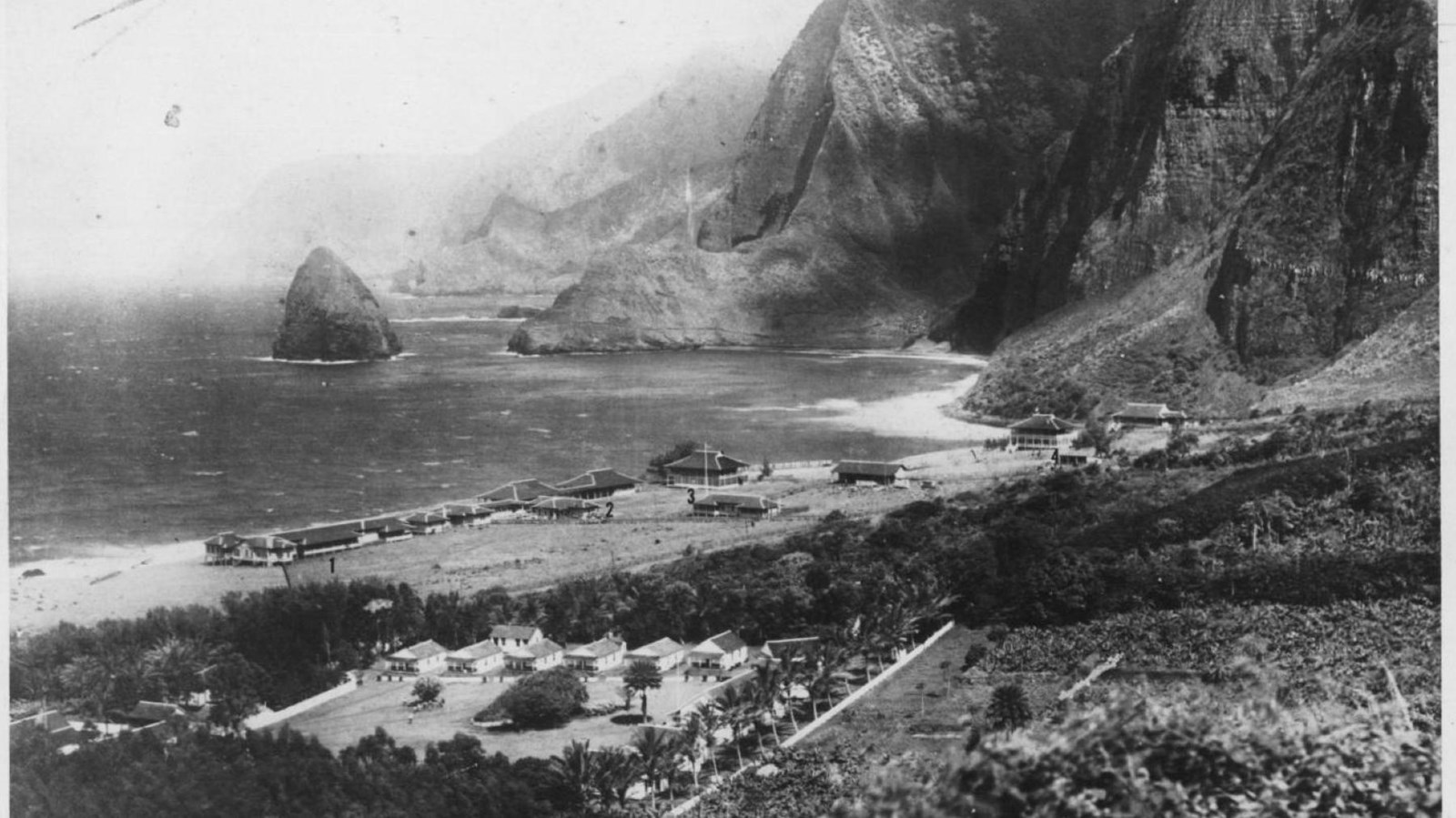
Hawaiʻi State Archives
Quick Facts
OPEN TO PUBLIC:
No
69-year-old Hawaiian woman who arrived at Kalaupapa at 19 years old in 1928
They caught me when I was eighteen or nineteen. The Board of Health gave the neighbors ten dollars for reporting me. That was the policy in those days. One evening the Health Department inspector came to our house to examine me and pick me up. He said I had to go with him to Honolulu. If I said no, he would put me in handcuffs and drag me off. They threatened us that way. But I did not want to go, because I had this little boy who was my hanai [adopted] boy. I loved him so much. But they said I would give him the sickness--mai Pake to the little boy--so for his own good, I went. They took me from [my home] to Mahu-Kona, then to Kalihi Hospital in Honolulu. I was put on the ship Kaala. The same ship that later sank on the reef off Kalaupapa.
At Kalihi they kept us separated. Boys on one side, girls on the other. The next morning, I had my physical examination. I went into a room where six doctors waited. I was naked except for one white sheet they wrapped around me. Those doctors examined me, looked at the spots on my body. They talked among themselves for a few minutes, then they said I should return to the girls' ward. In a few days I received a large envelope with a letter in it. The letter had my name on it, and it said, 'You have been declared a leper.' So I was sent to Kalaupapa. I wish I still had that letter. I would show it to you, but it was lost in the tidal wave that hit Kalaupapa in 1946.
After that, I hate to tell you this, my family hookai (rejected) me. All of my relatives hookai me. They were sad and disappointed in me for getting this sickness, and after I got it they did not want me anymore. That's what the mai Pake sickness does. It hookai you from your loved ones. The name of leprosy is a fearful thing, they fear this disease. That's why they hookai me (separated me).
You know when I was a little girl…I saw this one sick man who lived like a dog. He lived in a shack. It looked like a dog house. At that time I didn't know it, but he was a man with leprosy. He lived in a lean-to, a little dirty place with a roof made of old boards. There were three sides to his shack, with one part open to the wind and rain. It was tacked on to the side of his family's house. His family lived in the big house and he lived in the dirty shack. He always stayed in that little place. He would hardly ever come out. He would just stay in there dirty and huddled up. When he wanted to eat, they would make him feed himself. He had to cook his own food. He had his own dish and fork. He could only eat after others finished eating. They did not let him touch anything of theirs. Sometimes they would allow him to use the kitchen stove to cook his food. But his family did not take care of him, and I used to watch him when I was a little girl. He was hookai too, just like I am now. Yes, I remember that poor man sleeping outside, all disfigured and twisted. I was just a little girl, and I did not know he had the leprosy sickness and that later I would get the same thing. I can say today, and I am ashamed to say it; but my family was no better than his.
After I was discharged, paroled, or declared negative, I could have returned home. But my family asked me not to return home. They said not to come around. Do not try and live with the family. You know, when we die, our families will come to Kalaupapa and ask to see our graves. They also want to see our wills, but they will be surprised. I have no money.
Today, living on the outside, it's not so bad. But because of what happened to me with my family and friends, I don't feel comfortable outside. I have my own home here. This is where I will stay.