



Last updated: August 3, 2026
Place
Bear Creek Lake State Park
Virginia Department of Conservation & Recreation
Quick Facts
Location:
22 Bear Creek Lake Rd, Cumberland, VA 23040
Significance:
Bear Creek Lake State Park preserves New Deal era Civilian Conservation Corps resources while providing public access to forests and waterways that contribute to the ecological health of the Chesapeake Bay watershed.
Designation:
Virginia State Park; Chesapeake Gateways Network Site
Amenities
5 listed
Beach/Water Access, Boat Rental, Gifts/Souvenirs/Books, Historical/Interpretive Information/Exhibits, Pets Allowed
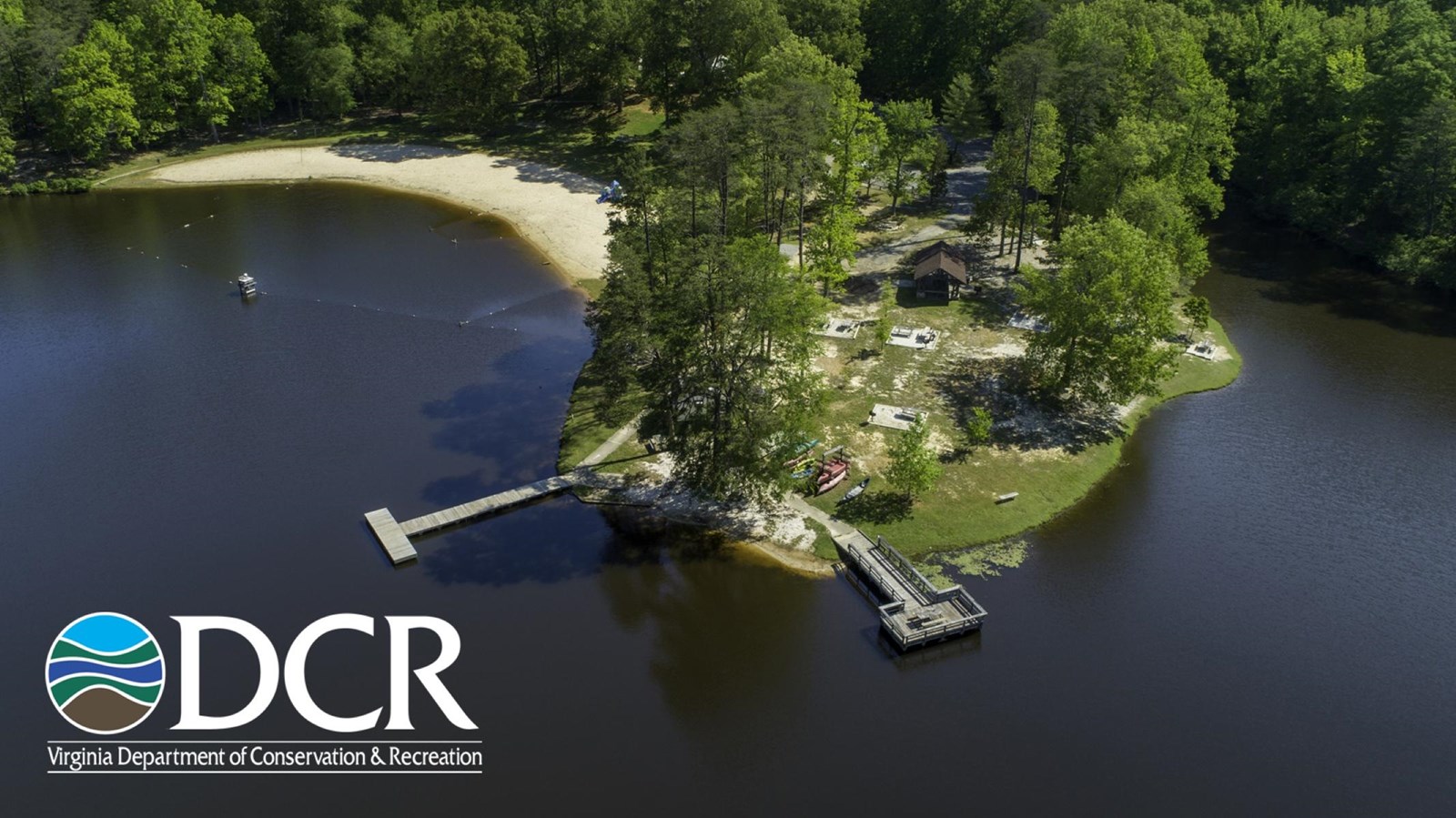
Bear Creek Lake State Park, located in Cumberland County, Virginia, offers a scenic landscape shaped by forests, streams, and a 40-acre lake within the Chesapeake Bay watershed. Managed by the Virginia Department of Conservation and Recreation, the park reflects the region’s natural and cultural history, including its development during the 1930s by the Civilian Conservation Corps, whose craftsmanship remains visible in park structures and design.
As part of the Chesapeake Gateways Network, the park provides opportunities to explore the ecological systems that feed into the James River and, ultimately, the Chesapeake Bay. Visitors can hike wooded trails, observe wildlife, and experience diverse habitats that support environmental stewardship and outdoor learning. The lake serves as a focal point for recreation, offering paddling, fishing, and swimming, while surrounding picnic areas and overnight accommodations invite extended stays in a natural setting.
Interpretive programs and self-guided exploration encourage visitors to consider connections between land use, water quality, and conservation across the Chesapeake Bay watershed. These experiences align with broader Chesapeake Gateways initiatives to foster understanding of the region’s landscapes and resources.Visitors are encouraged to learn more about amenities, programs, and trip planning by visiting the park’s official website.
As part of the Chesapeake Gateways Network, the park provides opportunities to explore the ecological systems that feed into the James River and, ultimately, the Chesapeake Bay. Visitors can hike wooded trails, observe wildlife, and experience diverse habitats that support environmental stewardship and outdoor learning. The lake serves as a focal point for recreation, offering paddling, fishing, and swimming, while surrounding picnic areas and overnight accommodations invite extended stays in a natural setting.
Interpretive programs and self-guided exploration encourage visitors to consider connections between land use, water quality, and conservation across the Chesapeake Bay watershed. These experiences align with broader Chesapeake Gateways initiatives to foster understanding of the region’s landscapes and resources.Visitors are encouraged to learn more about amenities, programs, and trip planning by visiting the park’s official website.
This location does not accept the America the Beautiful—National Parks and Federal Recreational Lands Pass. Entrance fees and ticket policies are set independently by the managing partner, as detailed on their website.