



Last updated: June 4, 2026
Place
A New Port, A New Future
Quick Facts
Amenities
9 listed
Audio Description, Boat Rental, Food/Drink - Restaurant/Table Service, Historical/Interpretive Information/Exhibits, Information, Information - Ranger/Staff Member Present, Parking - Auto, Restroom, Scenic View/Photo Spot
A New Port, A New Future
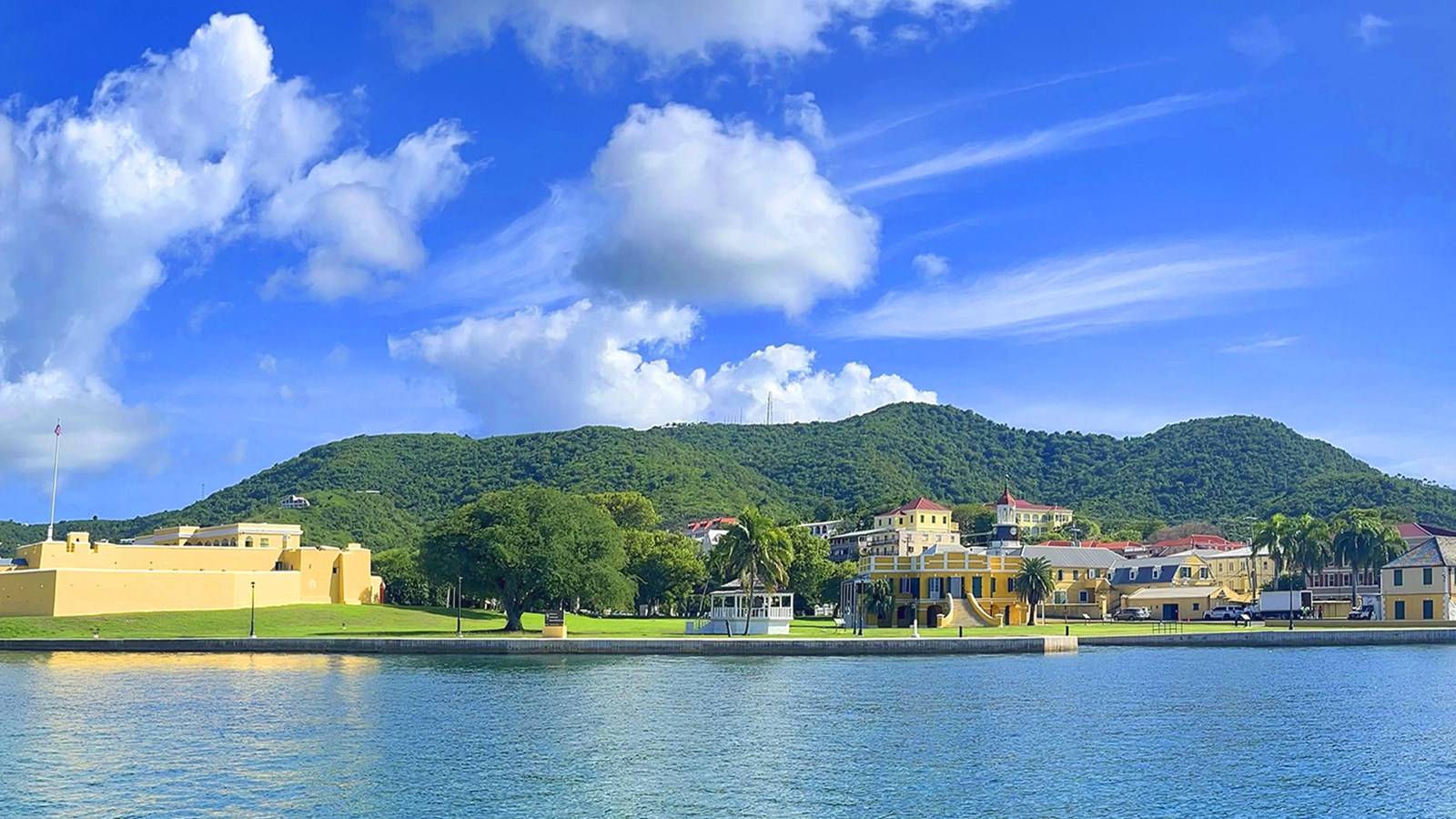
By the early 1700s, Salt River Bay had served as a center of exploration, settlement, and trade for centuries. After purchasing St. Croix from France in 1733, Denmark decided to develop Christiansted as the island’s new port and administrative center. Its deeper harbor could accommodate larger ships, while its location made it easier to defend and govern as Caribbean trade expanded. The move reflected a growing effort to use planning, engineering, and infrastructure to support commerce and strengthen control.
Security was also a concern. During the 17th and 18th centuries, Caribbean waters were frequented by pirates, privateers, and rival European fleets seeking wealth and influence. Danish officials believed a larger, more fortified port would better protect valuable cargo and support the island’s growing economy. As Christiansted prospered, ships, merchants, and government offices gradually shifted away from Salt River Bay.
Over time, the harbor that had welcomed Indigenous settlers, European explorers, and competing colonial powers grew quieter. Yet the stories preserved within its waters and shores remained. In 1917, the United States purchased the Danish West Indies, including St. Croix, bringing a new chapter to the island’s history. Nearly eighty years later, in 1992, Salt River Bay was designated as the Salt River Bay National Historical Park and Ecological Preserve, protecting its cultural, historical, and natural resources for future generations. Today, the bay stands as a reminder of how centuries of exploration, ambition, conflict, and innovation helped shape the island and the world we know today.