|
WASHINGTON — The National Park Service today announced park-specific visitor access plans for Summer 2026 designed to expand public access while maintaining safe and responsible management during peak visitation at Arches, Glacier, Rocky and Yosemite National Parks.
The tailored approaches reflect each park’s unique infrastructure, visitation demand and coordination with state and local partners.
“Our national parks belong to the American people, and our priority is keeping them open and accessible,” said Kevin Lilly, Acting Assistant Secretary for Fish, Wildlife and Parks. “We’re expanding access where conditions allow and using targeted tools only where necessary to protect visitor safety, maintain emergency access and preserve these extraordinary places for future generations.”
All four parks are working to strengthen seasonal staffing and operational readiness to support strong visitation in 2026. When parking areas or roadways reach capacity, parks may implement short-term traffic management measures to maintain safe conditions and protect park resources.
Arches National Park
Arches National Park will not implement a timed entry reservation system in 2026. Visitors are encouraged to arrive early, explore lesser-traveled areas if certain locations are busy, and be flexible when enjoying the park. Arches is an international dark sky park, and visiting after hours is highly encouraged. The park looks forward to working closely with state partners to implement these adjustments and refine the approach to serve visitors while protecting park resources.
Glacier National Park
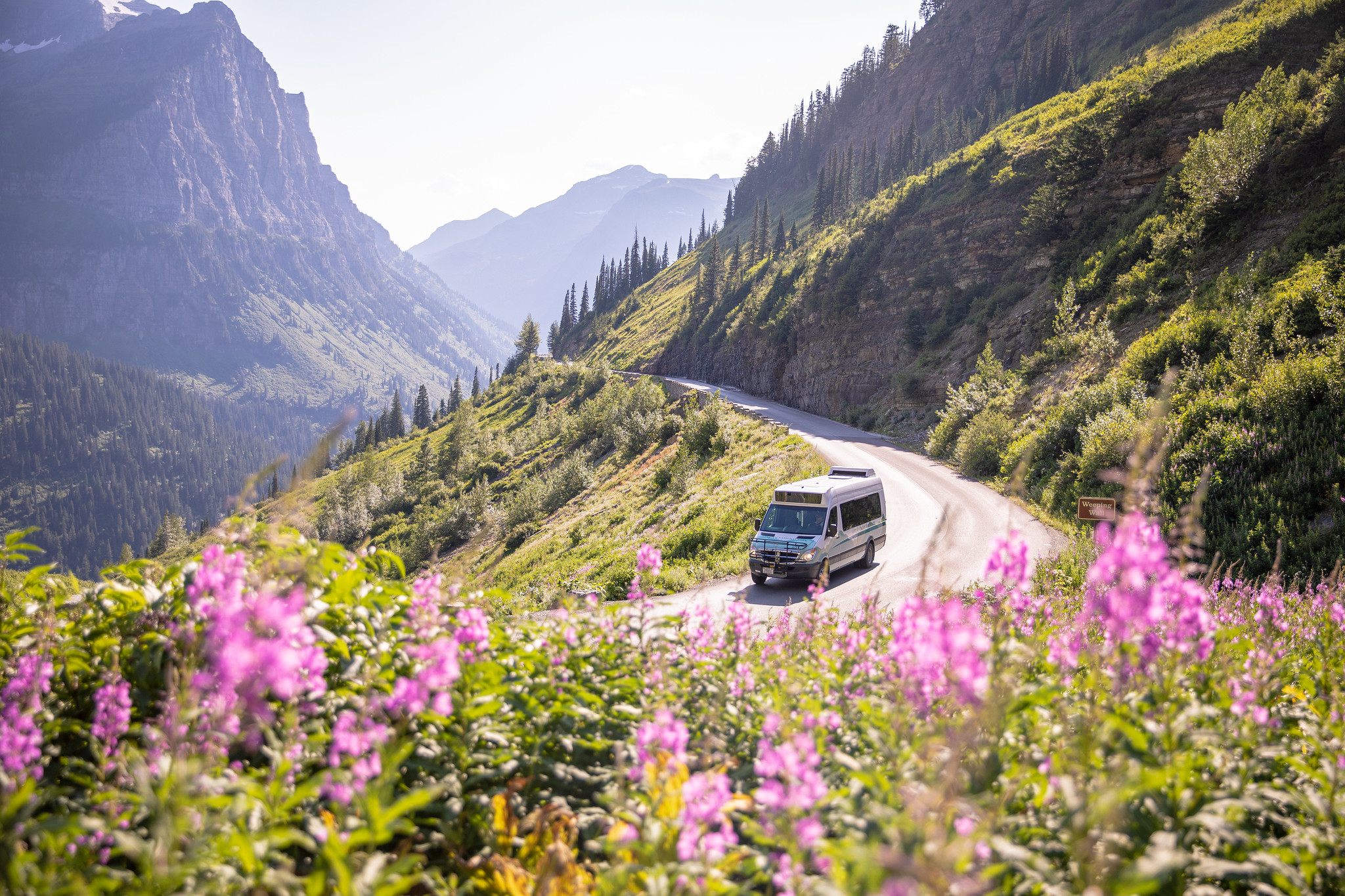
Glacier National Park will not require a park-wide vehicle reservation system in 2026. The park will continue targeted congestion management in high-demand corridors, including active management of Going-to-the-Sun Road, parking limits at Logan Pass and temporary vehicle diversions if safety thresholds are reached.
Rocky Mountain National Park
Rocky Mountain National Park will continue its timed entry reservation system during peak visitation months, from late May through mid-October. The system aligns vehicle entry with available parking and roadway capacity and has operated for multiple seasons in coordination with Colorado officials and gateway communities.
Yosemite National Park
Yosemite National Park will not require advance reservations in 2026, including during peak summer months and the February–March firefall period. The park will rely on real-time traffic management measures, including temporary traffic diversions when parking areas reach capacity and deployment of additional seasonal staff to manage high-use areas.
Parks not using timed entry will closely monitor visitation, traffic flow and congestion throughout the season and are prepared to implement additional measures if conditions warrant. These tools may include increased seasonal staffing, enhanced parking management and piloting innovative technologies to improve visitor access while maintaining safe conditions.
More information about these parks can be found below:
###
|