




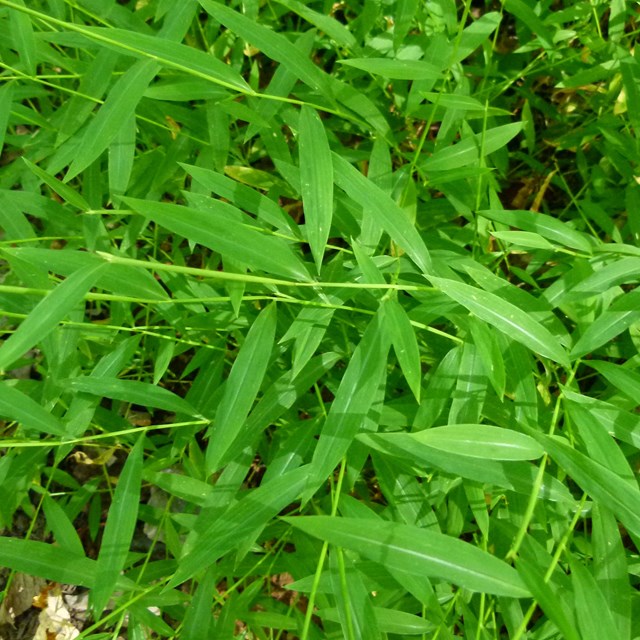
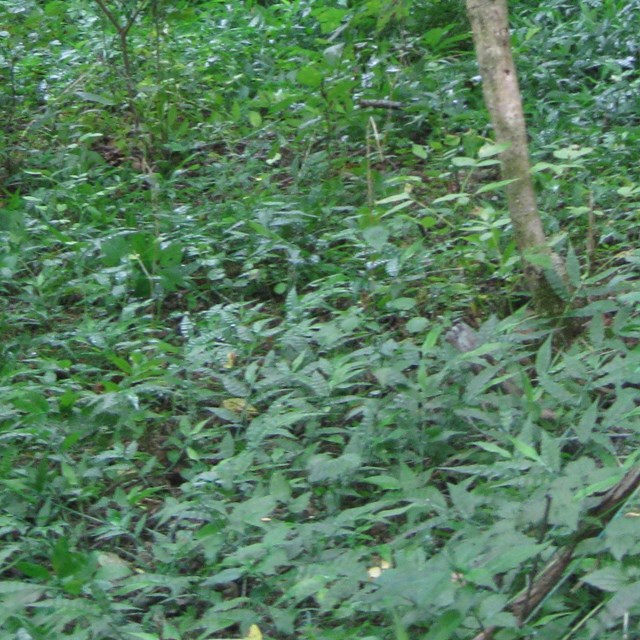
NPS Photo In 2024 the park’s natural resource team and a band of volunteers began the process of addressing the infestation of Japanese stiltgrass on Culp’s Hill. The photo above shows the initial steps taken, the physical removal of as much of the invasive plant from around Forbes Rock. Though it may seem as if the area was left stripped of all plant life, the aggressive removal of stiltgrass is the just the first step to give the native and naturalized plants the best opportunity to take back their homes and flourish. 
NPS photo Native Plants***These are All Good*** Native plants are species that occur naturally, without human intervention, and arrive in an ecosystem through natural processes like seed dispersal by wind, water, or animals, or through the establishment of new populations from existing ones. National Park Service Management Policies define native species as, “all species that have occurred, now occur, or may occur as a result of natural processes on lands designated as units of the national park system. Native species in a place are evolving in concert with each other.” Learn More About Native Plant Projects Throughout the National Park Service
NPS photo Non-Native Plants***These are Beneficial, Some are Neutral, and Some Turn Bad*** Non-Native plants are those that have been introduced to an area where they did not naturally exist before. Non-native plants may be introduced intentionally, typically for agricultural of aesthetic purposes, or unintentionally as seed hitchhikers on clothes, vehicles, or other materials. It’s important to note that not all non-native species are considered invasive. 
NPS photo Invasive Plants***These are All Bad*** Invasive plants are non-native plant species that cause harm to the environment, the economy, or plant, animal, or human health (NPS Executive Order 13751). Once an invasive species has established itself, removing it or eradicating it can be extremely difficult, requiring large investments of time and money which is why catching invasive species during the early stages of their establishment is very important. Early Detection Rapid Response Species Protocol (EDRR)***Park Biologists to the Rescue!*** The Early Detection Rapid Response Species Protocol, or EDRR for short, is a strategy for identifying and responding to new or emerging invasive species (plant, animal, or other organisms) before they become widespread and cause significant harm to ecosystems or human interests.
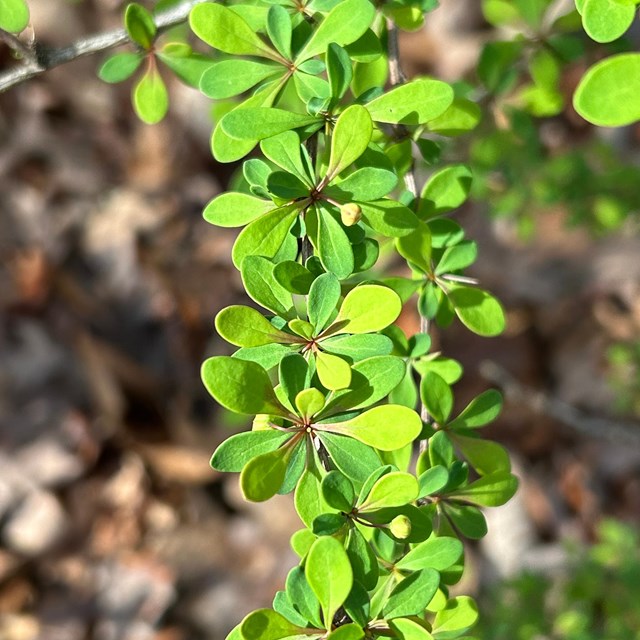
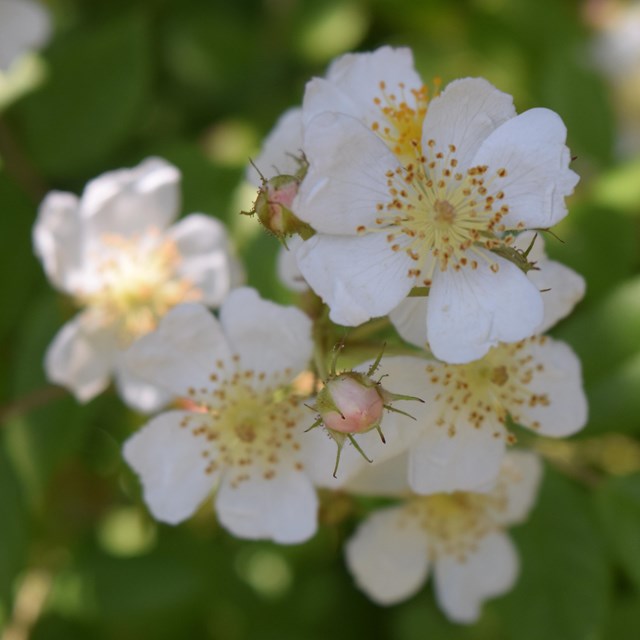
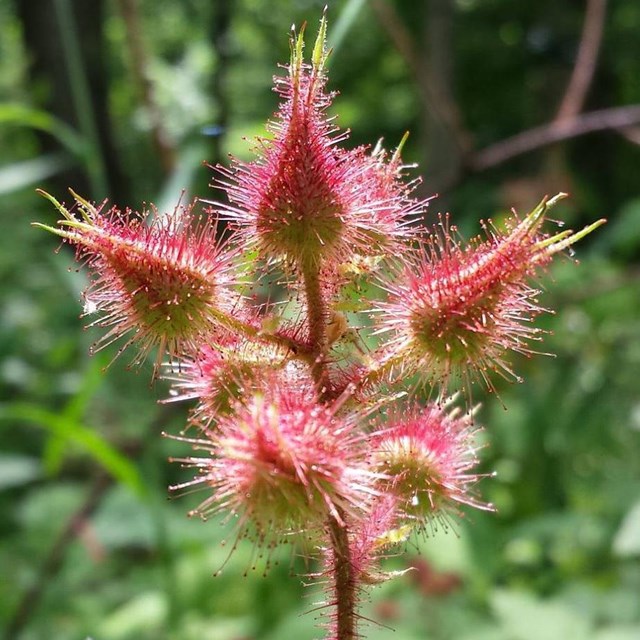
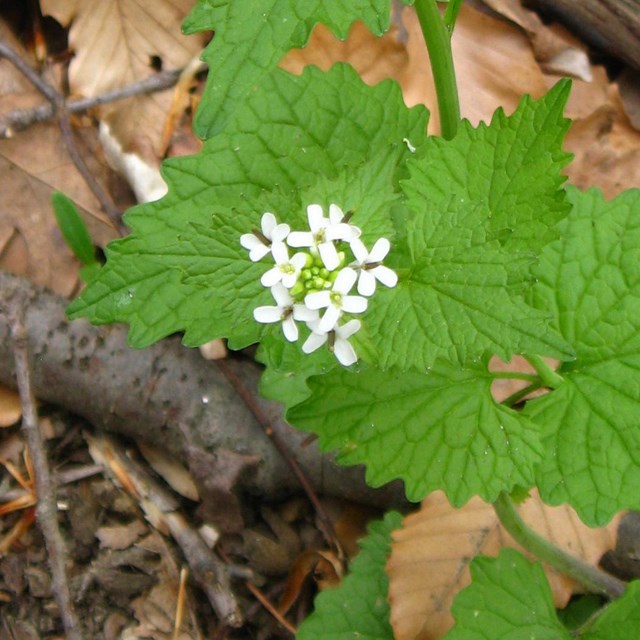
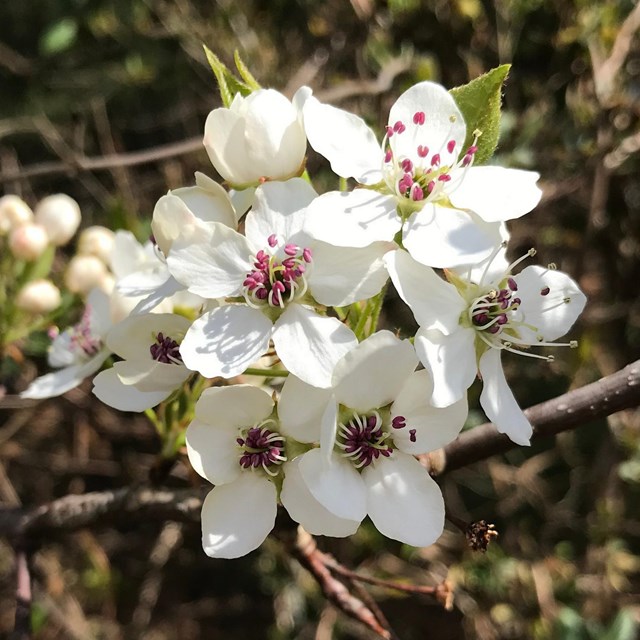
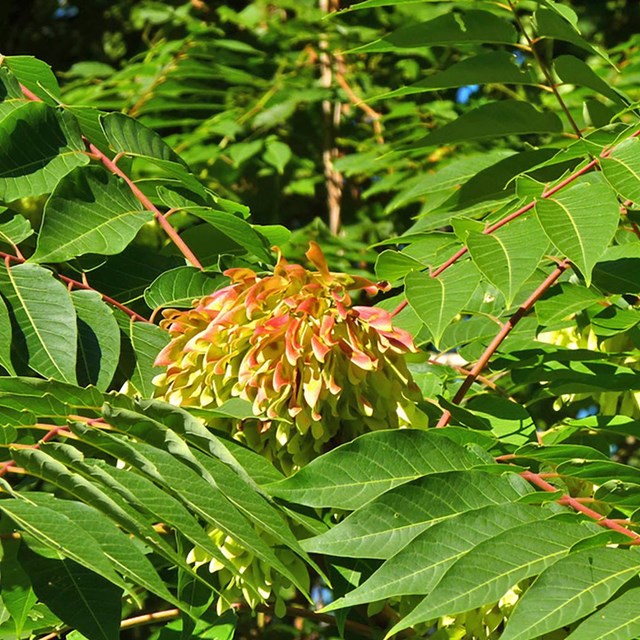
The Top 10 Least Wanted Invasive Plant List***The list below describes our Top 10 Least Wanted List*** Among the many invasive species that our staff have documented at Gettysburg National Military Park (NMP) and Eisenhower National Historic Site (NHS), we’ve identified ten species that have some of the largest, and most negative effects, on the parks and surrounding area. These invasive plant species are categorized as both well-established and those recently discovered. Regardless of their time on and around the parks, their impacts are significant. What Can You DoAs a devoted visitor to Gettysburg NMP and Eisenhower NHS, you can see the direct impact invasive species has on your parks. During the warm weather months, we host a series of Volunteer Work Days. Sign up for one or all of these to lend a hand! You can aid our staff to combat these invading species and perhaps slow or halt their march across our fields, our hills, our stone walls, our fences, or even around our monuments. The Top 10 Least Wanted List: Shrubs
The Top 10 Least Wanted List: Herbs
The Top 10 Least Wanted List: Trees
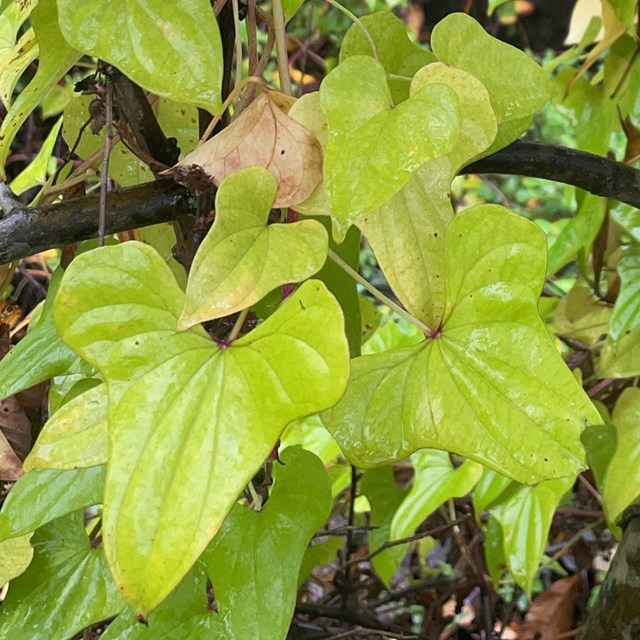
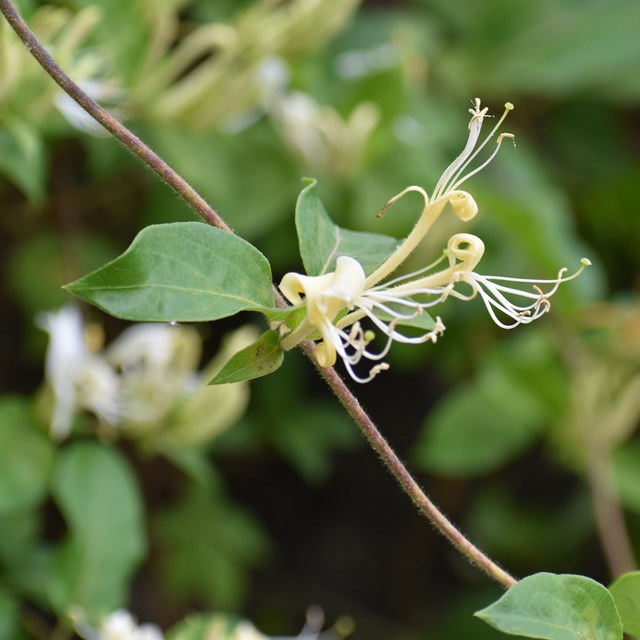
The Top 10 Least Wanted List: Vines
|
Last updated: February 19, 2026