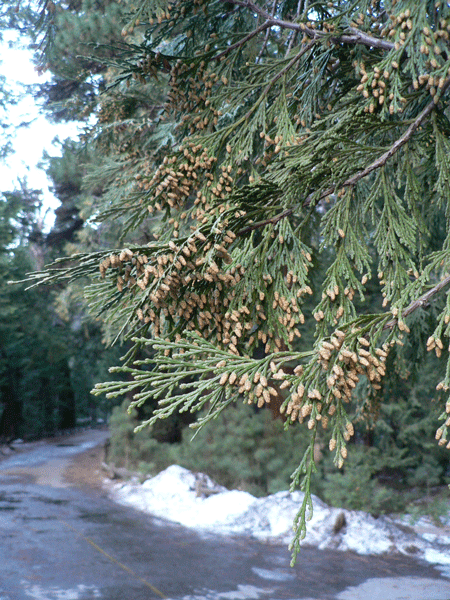
Some travelers to Yosemite this winter may be surprised to find something besides snow in the air. Pollen from the incense cedar (Calocedrus decurrens) is flying far and wide this February. All conifers are wind pollinated, but the incense cedar is our early leader in this annual love fest. The strategy of wind pollination requires the production of massive amounts of pollen to get the job done. This is why the vast majority of airborne allergens are pollen. However, the reactions associated with incense cedar pollen are typically mild if noticed at all. The pollen is produced in the yellow-green male cones which developed on the tips of some branches in the fall. They should be easy to spot along any trail in Yosemite Valley. The goal is for the wind to carry some of this pollen to the inconspicuous female cones which grow on the same trees and will mature by late summer.
|
|
|
Incense cedar pollen cones along the tips of the needles. |