



|
In 1814, Zephaniah Kingsley moved to Fort George Island and what is known today as the Kingsley Plantation. He brought a wife and three children (a fourth would be born at Fort George). His wife, Anna Madgigine Jai, was from Senegal, West Africa, and was purchased by Kingsley as a slave. She actively participated in plantation management, acquiring her own land and slaves when freed by Kingsley in 1811. With an enslaved work force of about 60, the Fort George plantation produced Sea Island cotton, citrus, sugar cane, and corn. Kingsley continued to acquire property in north Florida and eventually possessed more than 32,000 acres, including four major plantation complexes and more than 200 enslaved people. Learn MoreFamily and Society, Part 2 ¦ Anna Kingsley ¦ Zephaniah Kingsley ¦ Florida History Online Kingsley Descendant CommunityAnna and Zephaniah Kingsley's two sons settled in Haiti (now the Dominican Republic) where their descendants kept their memory alive, while their two daughters remained in the Jacksonville area. Through the generations, there have been soldiers, farmers, businesspeople, scholars, a "Beach Lady" and more in this family tree.
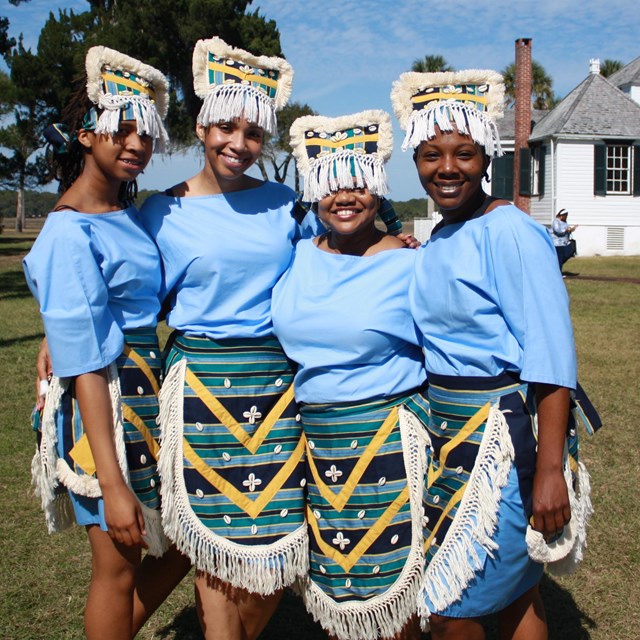
One major contribution of the descendant community was the establishment of the Kingsley Heritage Celebration in 1998. This event, co-founded by Kingsley descendant Emanuel Kingsley, began as a family reunion and has grown to a commemoration of the cultural legacy of the plantation period. Kingsley Heritage Celebration
|
 |
|


Last updated: December 5, 2024