Places
|
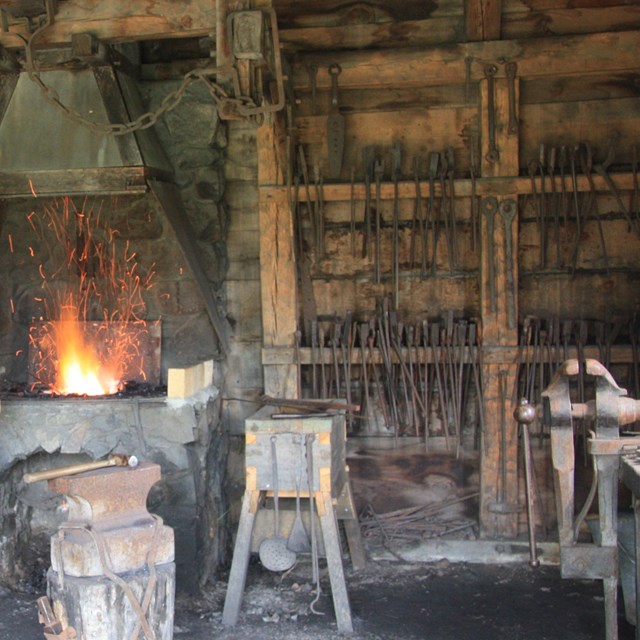
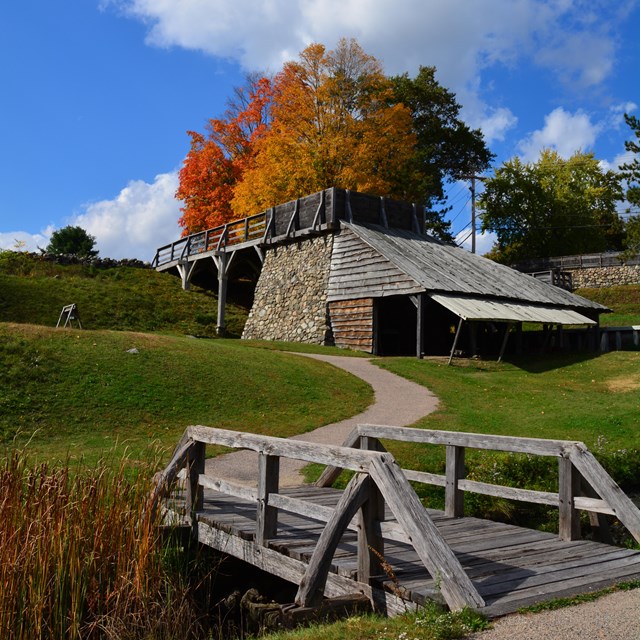
Questions to think about: Why was Iron such a necessity in 17th century colonies? How does the use of Iron affect your everyday life? Blast Furnace Using charcoal as its fuel, the Saugus blast furnace roared to life in 1646 and smelted locally-mined bog ore and gabbro into cast iron "pig" bars. Gray iron was also poured into molds to make pots, kettles, skillets, firebacks and salt-pans. Forge Carbon was removed from pig bars in the forge. A five hundred pound hammer was used to forge a hot ball of iron into wrought iron "merchant bars". These bars were sold to merchants and blacksmiths for manufacture into finished products.
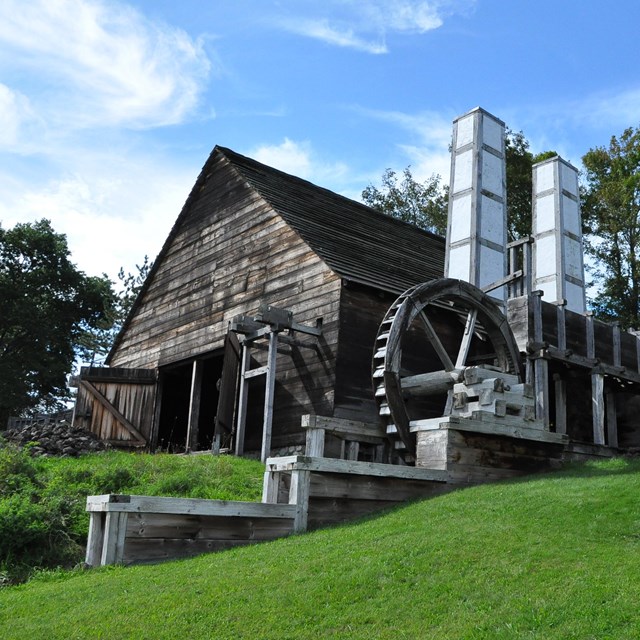
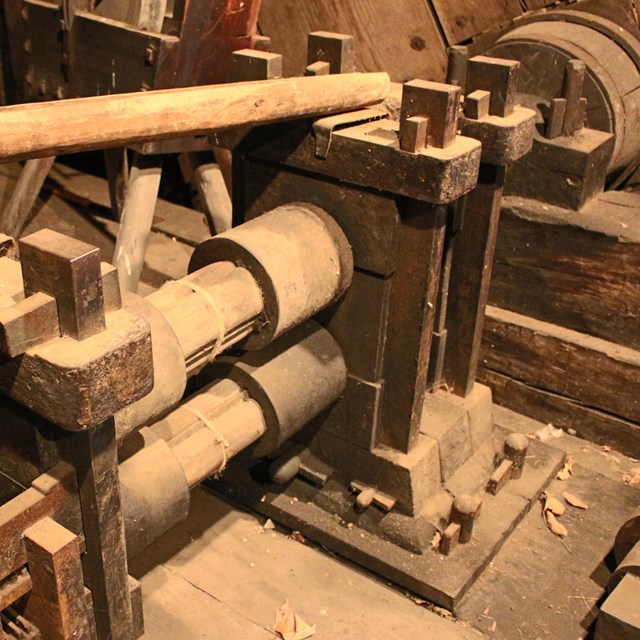
Rolling and Slitting Mill Merchant bars could be made into flat bars by using the rolling mill machinery. These "flats" could be made into wagon tires, axes, and saw blades by blacksmiths. Further processing of flats through the slitting mill machinery produced slit flats and rod for making horse shoes and nails.
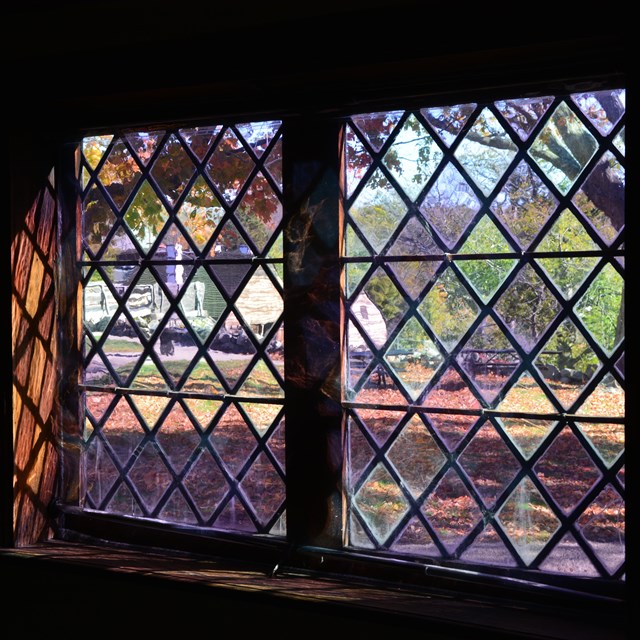
17th Century House Step into an original 17th century home that was built a few years after the Iron Works shut down. This house was restored by a famous antiquarian, Wallace Nutting, who was part of the preservation movement forming in America in the early 1900's. Wallace Nutting, the Iron Works House, and the Preservaton Movement in Essex Counry
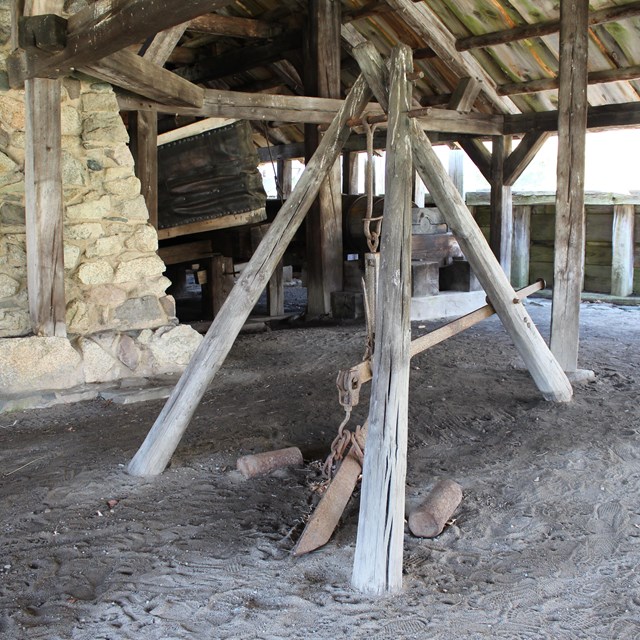
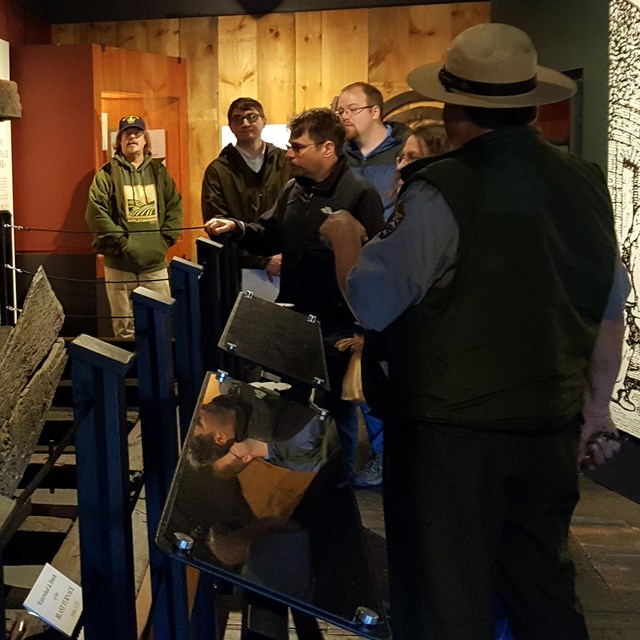
Museum The museum houses many of the artifacts from the 1940s and 1950s archeology dig. See the original 17th-century Blast Furnace waterwheel, the anvil base from the Forge trip hammer, many tools and household items, as well as Native American items.
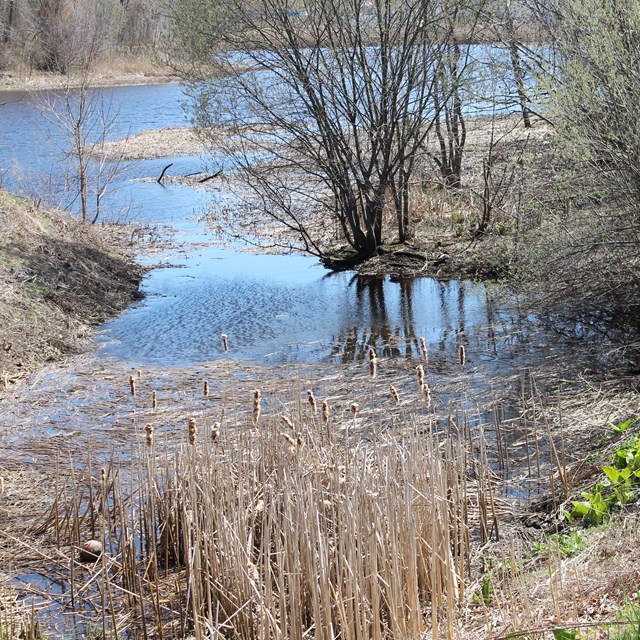
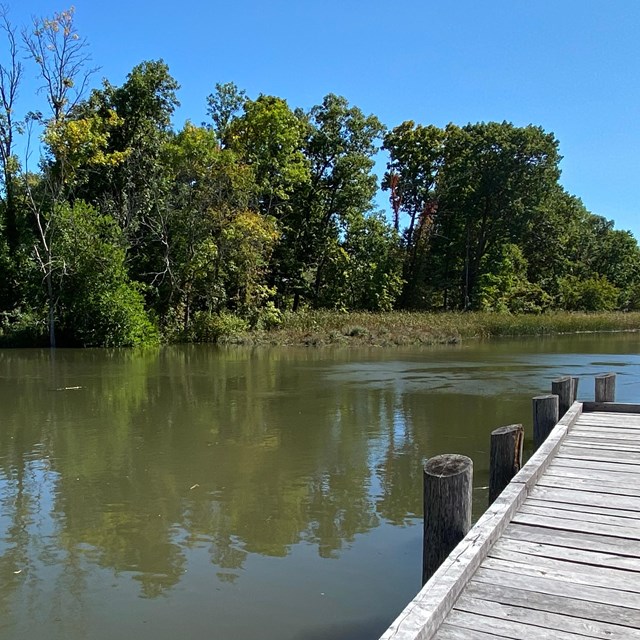
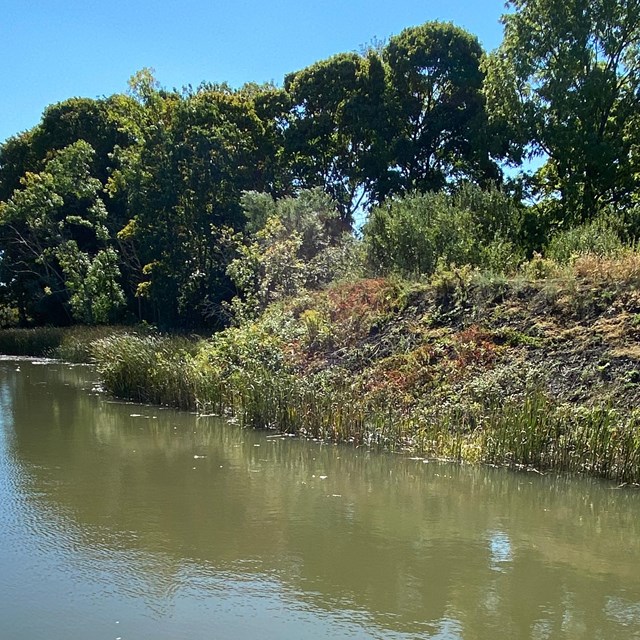
Nature Trail Follow the nature trail along the east side of the Saugus River. Watch for the birds and other wild life, identify trees and other plants. Help monitor the wildlife in the park by telling the rangers at the Visitor Center what you've seen. Earn your Junior Ranger badge with these activities. |
Did You Know?
On Thursday, January 10, 2013 President Obama signed into law HR1339 which designates Salem, Massachusetts as the birthplace of the National Guard. Future ironworks founder John Winthrop, Jr. was commissioned as Lieutenant Colonel of the East Regiment on March 9, 1636/7. The East Regiment included the communities of Salem, Saugus (changed to Lynn later in 1637), Ipswich, and Newbury.