




NPS A Wide Variety of Flora Live Inside Rocky Mountian National Park!Rocky Mountain National Park is home to approximately 1,100 species of vascular plants. To learn more about the different plant species and plant-like organizams (algae and lichens) found in Rocky Mountain National Park. 
Wildflowers
During spring and summer, meadows and the alpine tundra are full of color from the park's wide range of blooming wildflowers 
Trees & Shrubs
Learn about the many species of trees and shrubs that grow throughout Rocky 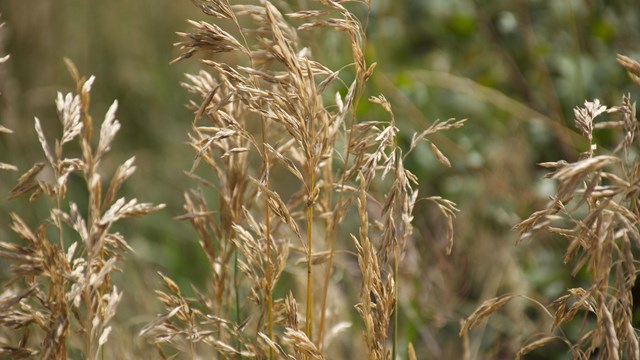
Invasive Exotic Plants
Don't be fooled. Cunning plants can upset vegetation processes in the native landscape. 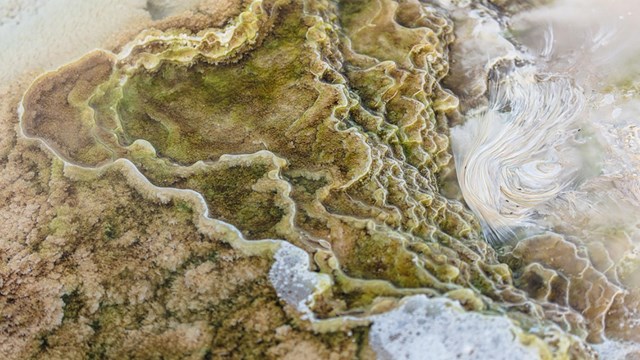
Plant-like Protists - Algae
NPS photo Algae Microscopic colors and patterns abound anywhere where water is found. 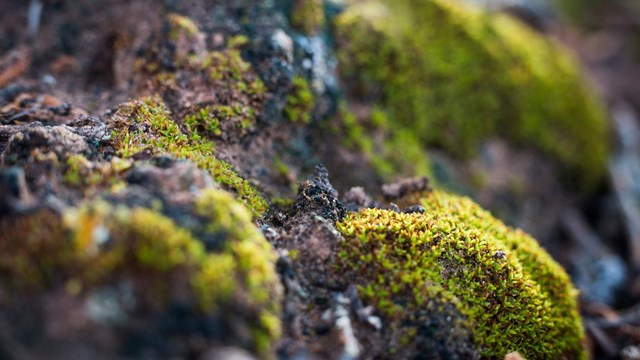
Non-Vascular Plants -Mosses & Liverworts
Discover some of the non-vascular plants in Rocky Mountain National Park 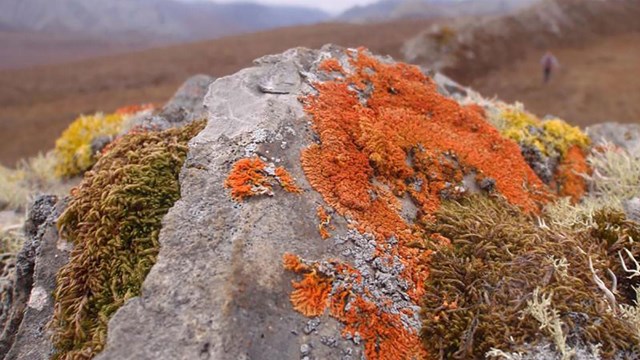
Lichens - Fungi and Algae
Ancient pioneers of the plant world interact with living and non-living organisms. |
Last updated: March 9, 2026