• Hikers on Granite Pass in Rocky Mountain National Park/NPS photo by John Marino

    Rocky Mountain

    National Park Colorado

There are park alerts in effect.
show Alerts »
  • Bear Lake Road Reconstruction Project

    Major construction work on Bear Lake Road in 2012 & 2013 includes changes to park shuttle routes, significant delays, and some night closures. More »

  • Park Fires

    Get the latest information on how current park fires might affect your visit. More »

Animals

Nature and Science

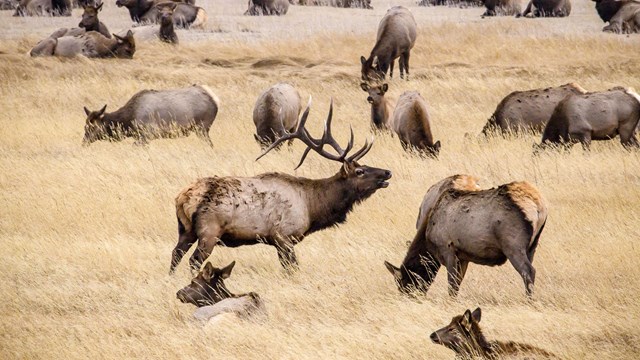
Bull Elk

(NPS-RMNP)

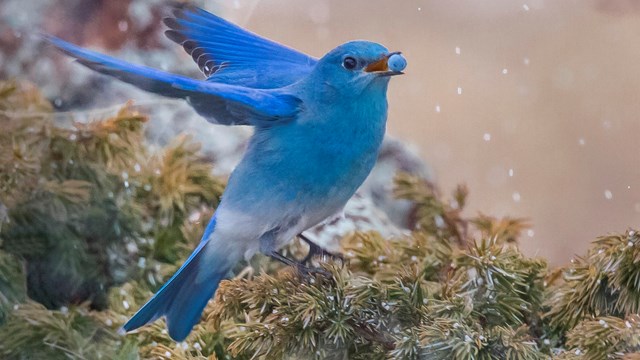
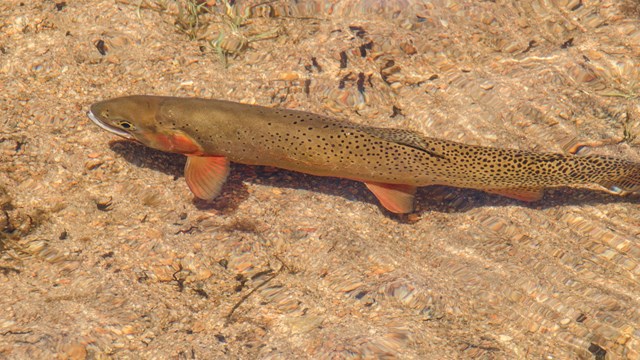
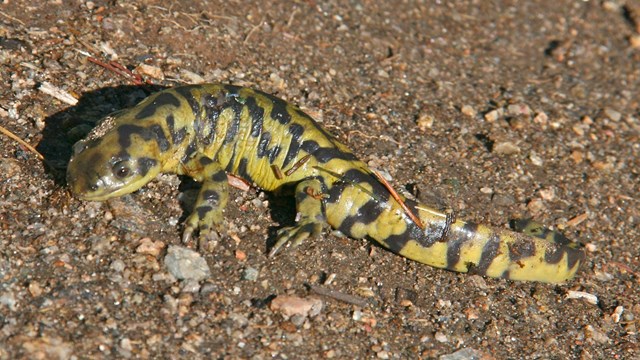
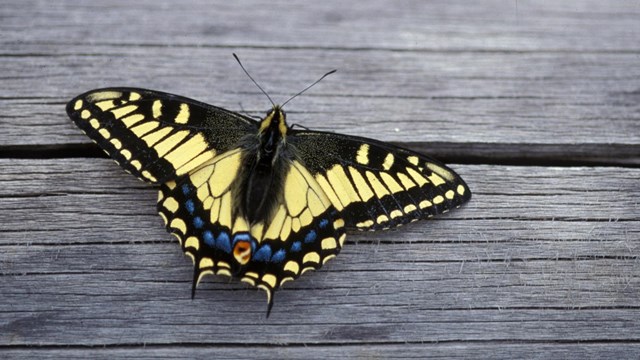
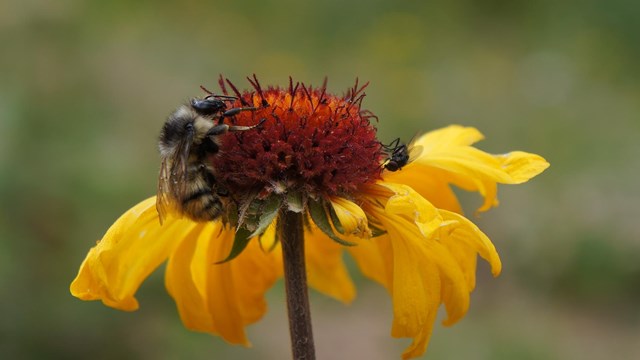
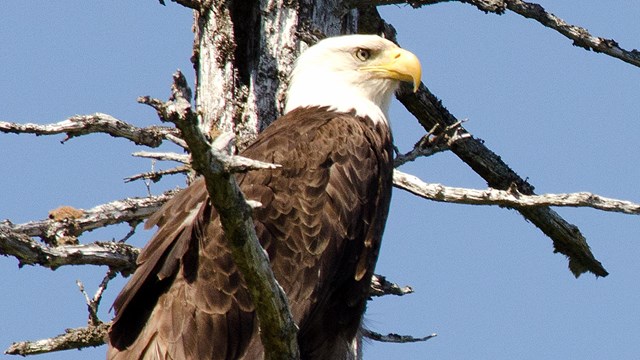
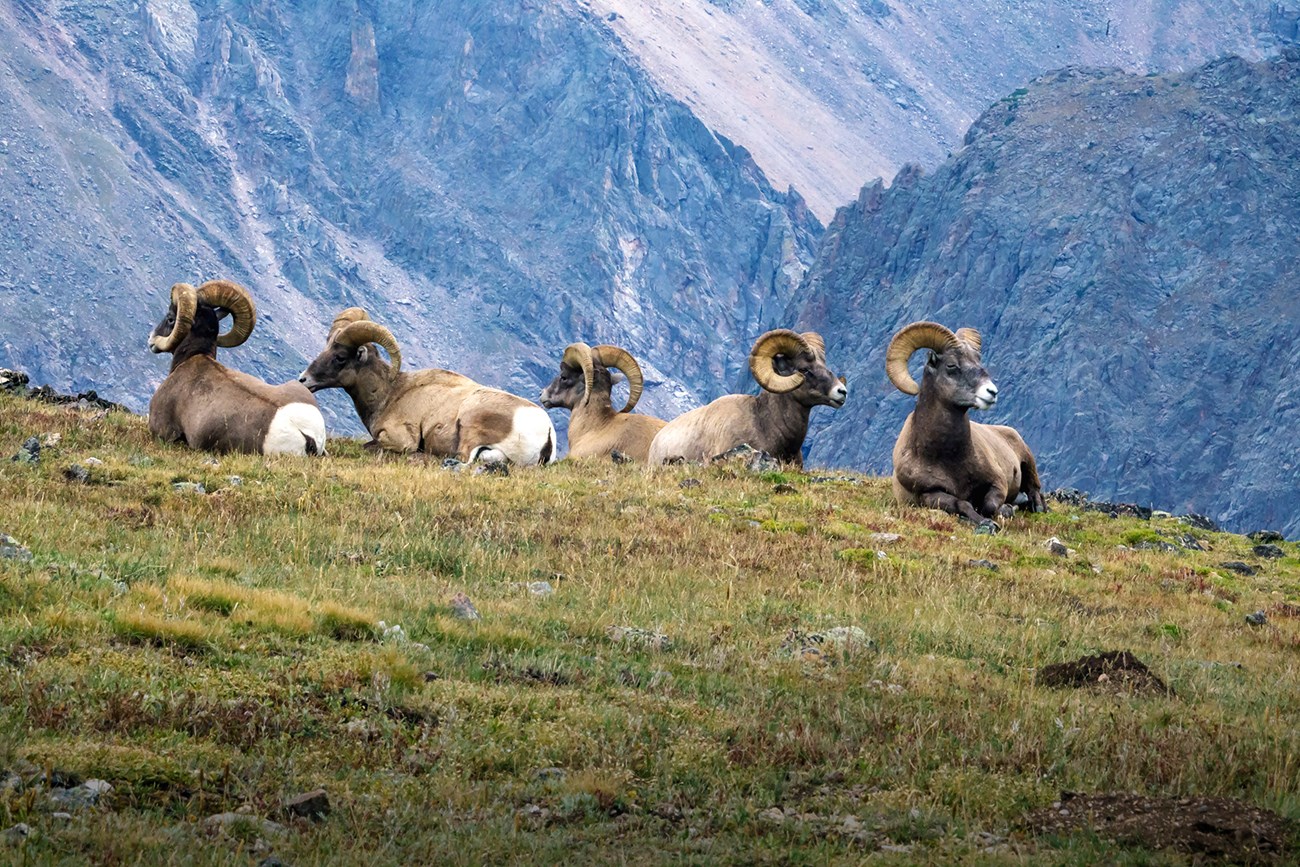
From mighty elk to rare boreal toads, Rocky Mountain National Park protects animals of the high south-central continental divide. Elk number about 1000 in the park, and are easily seen. Moose are more rare, found primarily in the Kawaneeche valley. Bighorn sheep are fond of coming to mineral licks in Horseshoe Park. Mountain lions are fairly common, but as is also true of bobcats, secretive and rarely seen. Black bears thrive in the park's lower forests. Hardy ptarmigan remain active at higher elevations through the winter, as do pikas. Ptarmigan, snowshoe hares, and ermine blend with the season, whitening in winter. Marmots and ground squirrels sleep deeply then, but are easily seen during the summer. Greenback cutthroat trout have been restored to many lakes and streams, where they feed on a rich insect fauna. To find out more about animals ranging from butterflies to eagles, please visit our expanded website.

Did You Know?

a photo of the mountains at treeline

Temperature causes tree line. Trees need an average growing temperature of about 50 degrees fahrenheit.