National Park Service LogoU.S. Department of the InteriorNational Park ServiceNational Park Service
National Park Service:  U.S. Department of the InteriorNational Park Service Arrowhead
Pictured Rocks National LakeshoreShown on Sand Point Beach, these visitors participated in Birding by the Bay in May 2005.
view map
text size:largestlargernormal
printer friendly
Pictured Rocks National Lakeshore
Nature & Science
 
Bridalveil Falls cascades over the Pictured Rocks cliffs in a lovely springtime display.

NPS photo

Bridalveil Falls

Towering above Lake Superior are the most prominent of the lakeshore's geographic and scientific features, the multicolored sandstone cliffs for which the lakeshore is named. These cliffs reach to a height of 200 feet above the lake and extend more than 12 of the 42 miles of shoreline within Lakeshore boundaries. Equally important as these cliffs in geographic and scientific significance are the Grand Sable Dunes, sand dunes perched atop five square miles of high sand bluffs at the eastern portion of the Lakeshore. Miles of unspoiled beaches are a third prominent feature of the lakeshore.

The scientific features of the lakeshore reach far beyond the visually spectacular. Because of its location within the transition zone between the boreal and eastern deciduous forest biomes, the Lakeshore has elements of both forest types. Hardwood forests are prevalent, but conifers dominate some sites. Soils range from well-drained sandy soils to hydric soils. Wetlands are common throughout the Lakeshore. Many wildlife species live permanently or seasonally within the Lakeshore. The cold maritime climate along the shore of Lake Superior greatly influences physical conditions and hence biotic communities.

Great Lakes Network blue logo
Great Lakes Network
Inventory and Monitoring Program
more...
This blue butterfly is a symbol of the education program at Golden Gate National Recreation Area.
On-line games to learn more
about National Parks and the environment
more...
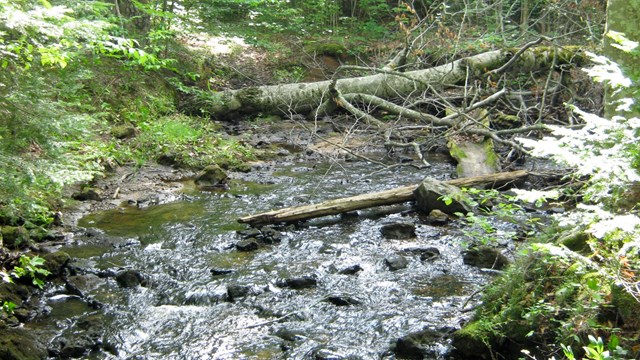
Visitor paddles a canoe on Beaver Lake.
Beaver Basin Wilderness
Invites you to visit!
more...
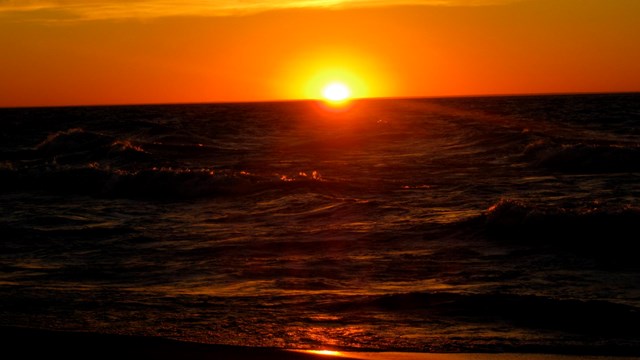
Michigan's Upper Peninsula is surrounded by three of the Great Lakes.
Global Climate Change
and the Great Lakes
more...
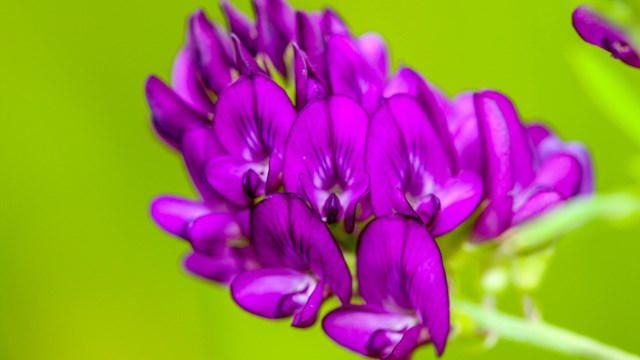
The purple flower of spotted knapweed, a non-native invasive species, is shown with Pitcher's thistle, an endangered species.  

Did You Know?
Pictured Rocks National Lakeshore is home to three arctic disjuncts, plants whose normal range is far to the north. Arctic crowberry and thimbleberry thrive because of the cool and moist microclimates caused by Lake Superior.
more...

Last Updated: October 21, 2009 at 09:25 EST