National Park Service LogoU.S. Department of the InteriorNational Park ServiceNational Park Service
National Park Service:  U.S. Department of the InteriorNational Park Service Arrowhead
Pipestone National MonumentPipestone National Monument Visitor Center
view map
text size:largestlargernormal
printer friendly
Pipestone National Monument
Plan Your Visit
Quarry site showing the quartzite wall and quartzite rubble pile.

NPS Photo

Quarry site showing the quartzite wall and quartzite rubble pile.

The pipestone quarries are a sacred site for many American Indians. For centuries, tribes across North America traveled to this site to quarry red pipestone for making pipes and effigies from the easily carved material. Today, they still travel long distances to quarry this sacred stone and continue the tradition of pipemaking. Red pipestone is a valuable spiritual resource to many American Indians.


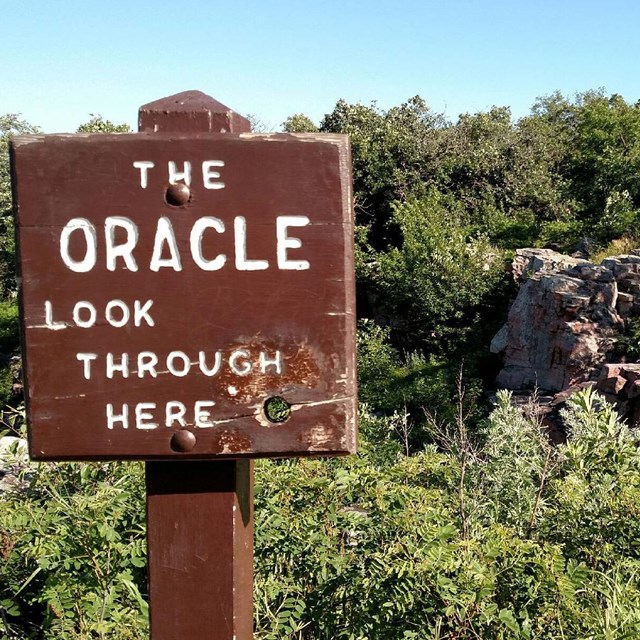
Pipestone National Monument offers an opportunity to explore unique cultural and natural resources. View active quarry pits where American Indians continue the traditions of the past by quarrying pipestone. Continue with the nature walk on the Circle Trail to see historical markers, unique quartzite rock formations, and Winnewissa Falls. The quarries are surrounded with many varieties of flowers and grasses growing in the native tallgrass prairie. See Things to Do.


The park grounds are open year-round. Entrance fees are collected at the visitor center, and are required for accessing any park feature including the Visitor Center, the Circle Trail, and the Three Maidens picnic area. Visitor Center hours vary seasonally.


For information on bringing pets, using wheelchairs, safety, and weather, see Things to Know Before You Come.


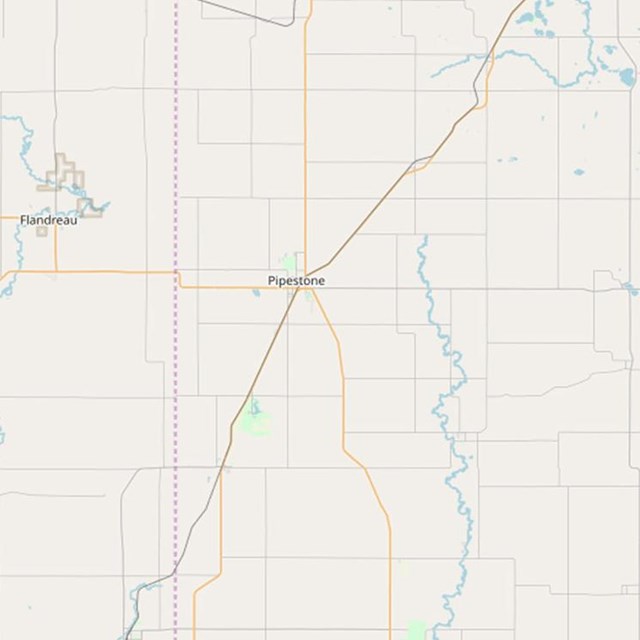
Pipestone National Monument is located in Southwestern Minnesota.  See Directions.

 
Tallgrass prairie landscape with Big Bluestem Grass  

Did You Know?
Pipestone National Monument is one of the few remaining areas of native tallgrass prairie. Over 400,000 square miles of tall grass prairie once covered the Midwest. Less than 1% of the original tall grass prairie remains today.
more...

Last Updated: September 17, 2009 at 17:20 EST