



Bat Colonies and Habitats: Pinnacles’ Nocturnal WildlifeBats play a crucial role in the ecosystem at Pinnacles National Park, finding refuge in the park’s caves, cliffs, and trees. With their secretive nature and nocturnal habits, bats are often hidden from view, yet their presence is vital to the park’s health and biodiversity. Bat Colonies at PinnaclesCurrently, Pinnacles is home to a colony of Townsend's Big-eared Bats located in the Bear Gulch Cave and a colony of Western Mastiff Bats inhabiting the Balconies cave area. These colonies are important indicators of the park’s ecological health, as bats rely on specific habitats for roosting and breeding. Bat Diversity in the ParkOf the 23 species of bats found throughout California, 14 are known to inhabit Pinnacles National Park. All 14 species at Pinnacles, along with 41 of the 44 species found in North America, primarily feed on insects, spiders, and other small invertebrates, playing an essential role in controlling insect populations. Only three North American bat species consume fruit or nectar, and none of these species are found in Pinnacles. Notably, vampire bats are absent in North America; the three known species of vampire bats reside in South America, where they feed on birds and mammals. Why Bats MatterBats are essential to the ecosystem for several reasons:
Protecting Bat HabitatsPinnacles National Park’s management efforts focus on conserving habitats critical to bat species. Caves and rock formations provide roosting sites for bats, while protecting these areas ensures that bat colonies thrive. The park also conducts ongoing monitoring and research to understand bat populations better and mitigate any threats they may face, such as white-nose syndrome, a disease that has devastated bat colonies elsewhere in North America. Western Pipstrelle (Pipistellus hesperus) Bats may not be the most visible wildlife around, but they are doing a lot behind the scenes that affects larger ecosystems and, by extension, humans. They control insect populations, which helps farmers and crops. Bats eat A LOT of insects. Did you know that bats save the US agriculture industry more than $3 billion a year by naturally reducing crop damage and pesticide use? Many bat species also help disperse seeds and pollinate plants. They help disperse seeds and pollinate plants. They are part of the food web. Their nutrient-rich guano provides food to smaller organisms, and many larger organisms like hawks, falcons, and owls rely on them for prey. Bats help keep natural areas healthy. Other living things depend on bats for survival. Organisms that live in caves rely on bat guano (droppings) for nutrients. Fruit-eating bats in the Pacific Islands and Latin America disperse seeds, and nectar-eating bats in the Southwestern US pollinate plants, such as blue agave (that’s right, bats help you drink tequila!). Several animals, including hawks, falcons, owls, weasels and ringtail cats, rely on bats as prey. If a population of bats crashes in an area, other affected populations will likely decline as well. This means that bat population crashes have economic and ecological repercussions. Plus, bats are cute, weird, and inspiring! We want to give the next generation the chance to be fascinated by their wild ability to echolocate prey, hibernate through the winter in massive colonies, and evoke maximum cuteness. 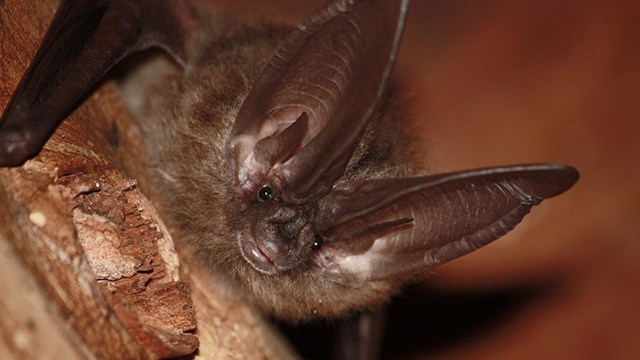
Bat Inventory at Pinnacles National Park
Researchers use multiple survey techniques to study the diversity of bat species at Pinnacles. 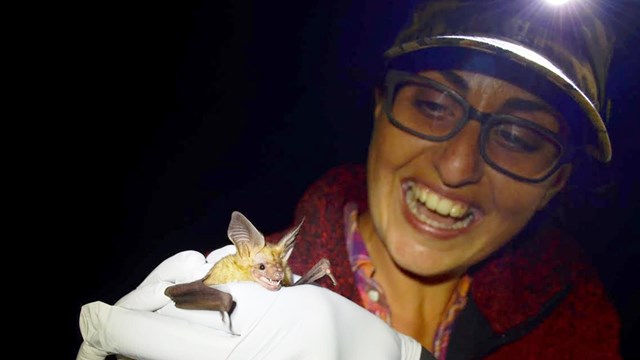
Updates from the Field
Get the latest on bats from the Bay Area Nature & Science Blog. 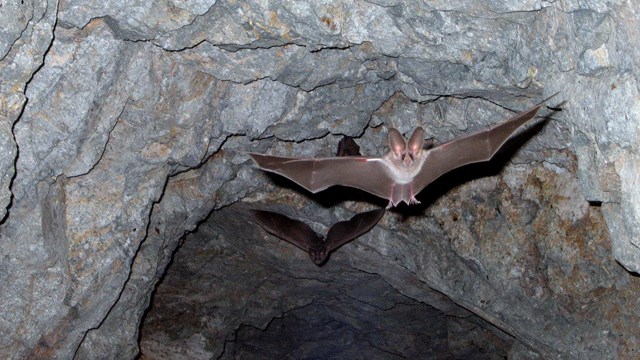
Bat Mythbusting
Bats are often misunderstood. Do you know the difference between fact and fiction when it comes to bats? 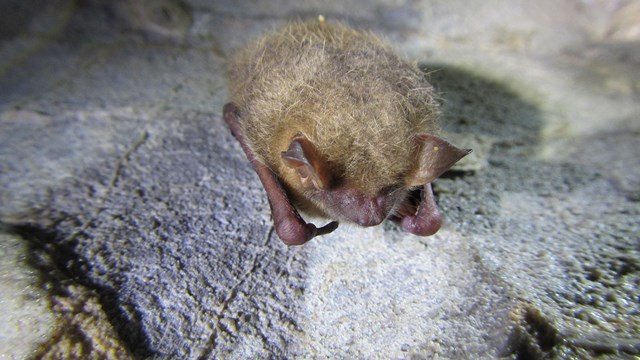
Bats in National Parks
Discover the secret lives of bats, and how the National Park Service is working to conserve them. Threats to BatsBats across North America face numerous threats that have led to significant declines in their populations. Among the most devastating is white-nose syndrome, a fungal disease that has wiped out entire colonies. Additionally, climate change is altering habitats and food availability, impacting bat survival. Wind turbines pose another threat, as bats are often struck by the blades during flight. Finally, habitat loss due to urbanization and deforestation continues to reduce the roosting and foraging areas bats depend on, further endangering these essential creatures. 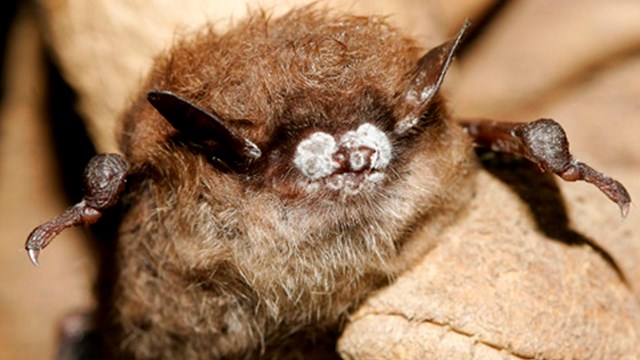
What is White Nose Syndrome?
Learn more about the bat disease that's spread across North America, killing millions of bats. 
Climate Change
Unusual changes in seasonal weather patterns can make it difficult for bats to survive. 
Wind Turbines
Collisions with wind turbines are one threat bats face, but there may be some ways of reducing risk. 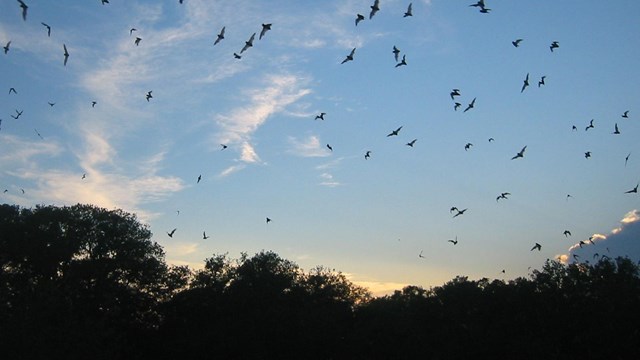
Habitat Loss
Safe places for bats to live and thrive are disappearing. Bat Conservation: Monitoring Efforts at Pinnacles National ParkPark biologists at Pinnacles National Park conduct extensive research and monitoring to better understand the behavior and habitat use of bats. This work has gained increasing importance due to the spread of white-nose syndrome, a deadly disease caused by a fungal pathogen impacting bat populations across North America. By studying bat roosting habits and how different species use various habitats, researchers can assess the susceptibility of Pinnacles' bats to this disease. This knowledge will be crucial for developing conservation strategies should the fungus reach the park. Bat monitoring at Pinnacles is part of a collaborative, multi-agency effort that extends throughout the San Francisco Bay Area. This regional approach allows scientists to share information and coordinate efforts to protect bat populations, ensuring a comprehensive response to the threats bats face across their range. 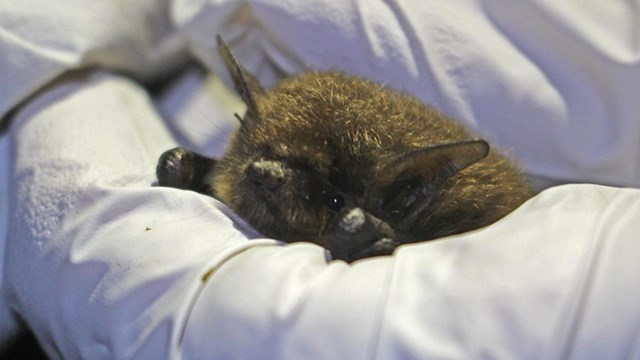
Bat Conservation in the SF Bay Area
What is the NPS doing about bat conservation and preventing the spread of White nose syndrome in the San Francisco Bay Area region? 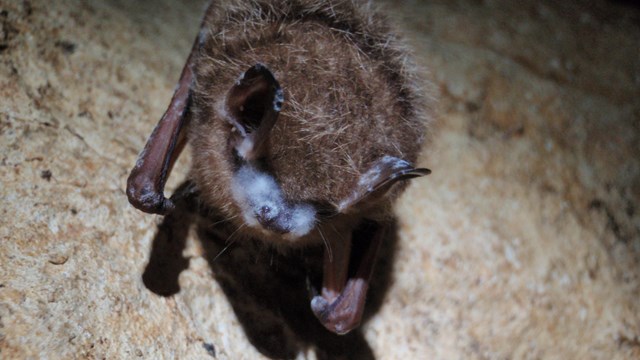
White Nose Syndrome Projects In Parks
Park staff manage projects to learn more about white-nose syndrome. What can you do to protect bats at Pinnacles?Visitors, climbers, cavers, and outdoors enthusiasts:As a visitor to Pinnacles, you are a crucial part of our efforts to prevent the spread of white nose syndrome. The fungus that causes white nose syndrome can survive on your clothes and gear for a long time, meaning you could unknowingly traffic the fungus into a new environment where it could infect bats. You can help by being aware of your gear and surroundings.
In and around your home, garden, and community:
Volunteer and advocate!
|
Last updated: October 23, 2024