Skip to SearchSkip to NavigationSkip to BodySkip to Footer
National Park Service LogoU.S. Department of the InteriorNational Park ServiceNational Park Service
National Park Service:  U.S. Department of the InteriorNational Park Service Arrowhead
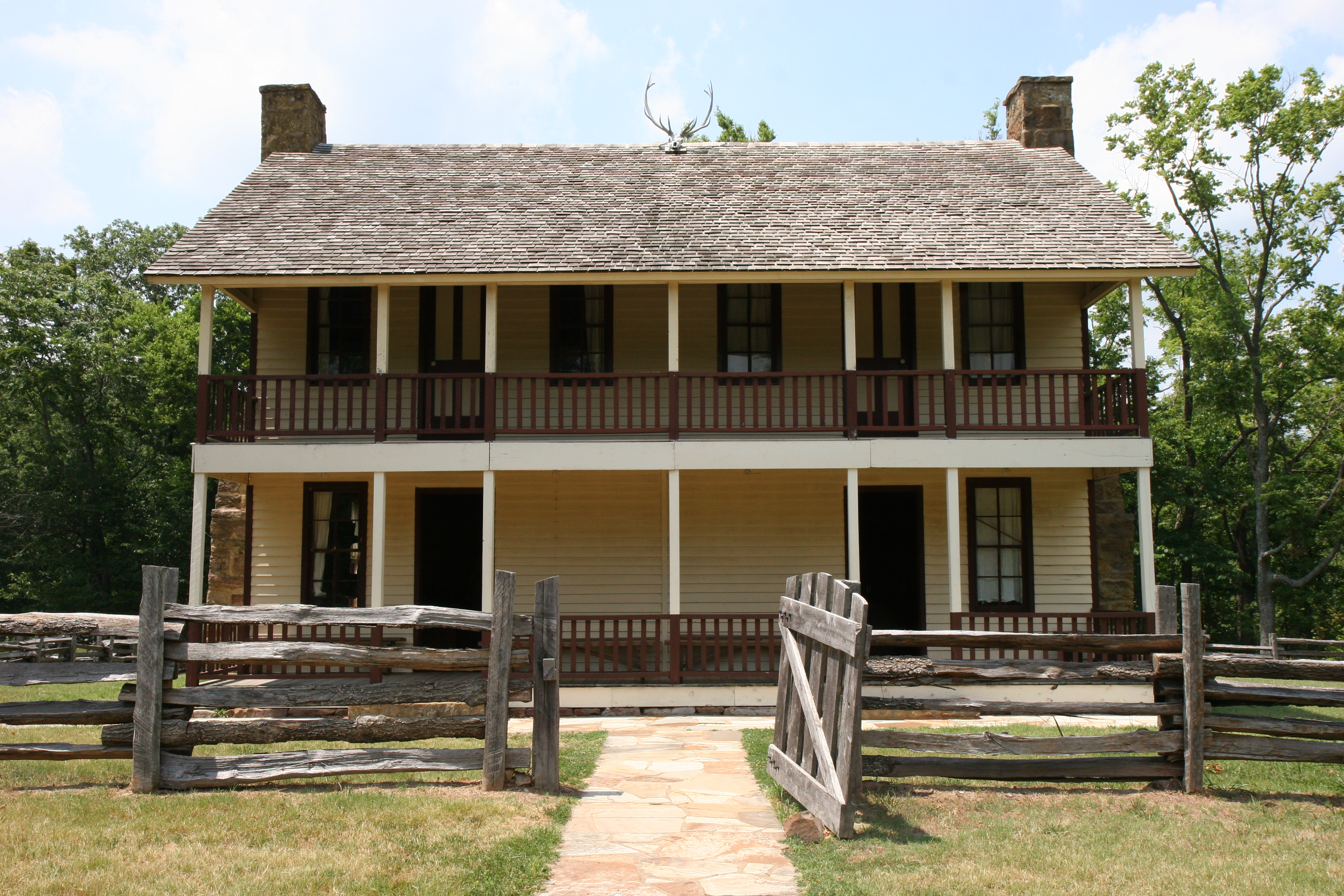
Pea Ridge National Military Park Elkhorn Tavern
view map
text size: largest larger normal
printer friendly

The Largest Battle in the West

On March 7 and 8, 1862, 26,000 soldiers fought here to decide the fate of Missouri and the West. The 4,300-acre park honors those who fought for their beliefs. Pea Ridge was one of the most pivotal Civil War battles and is the most intact Civil War battlefield in the United States.


more...
 

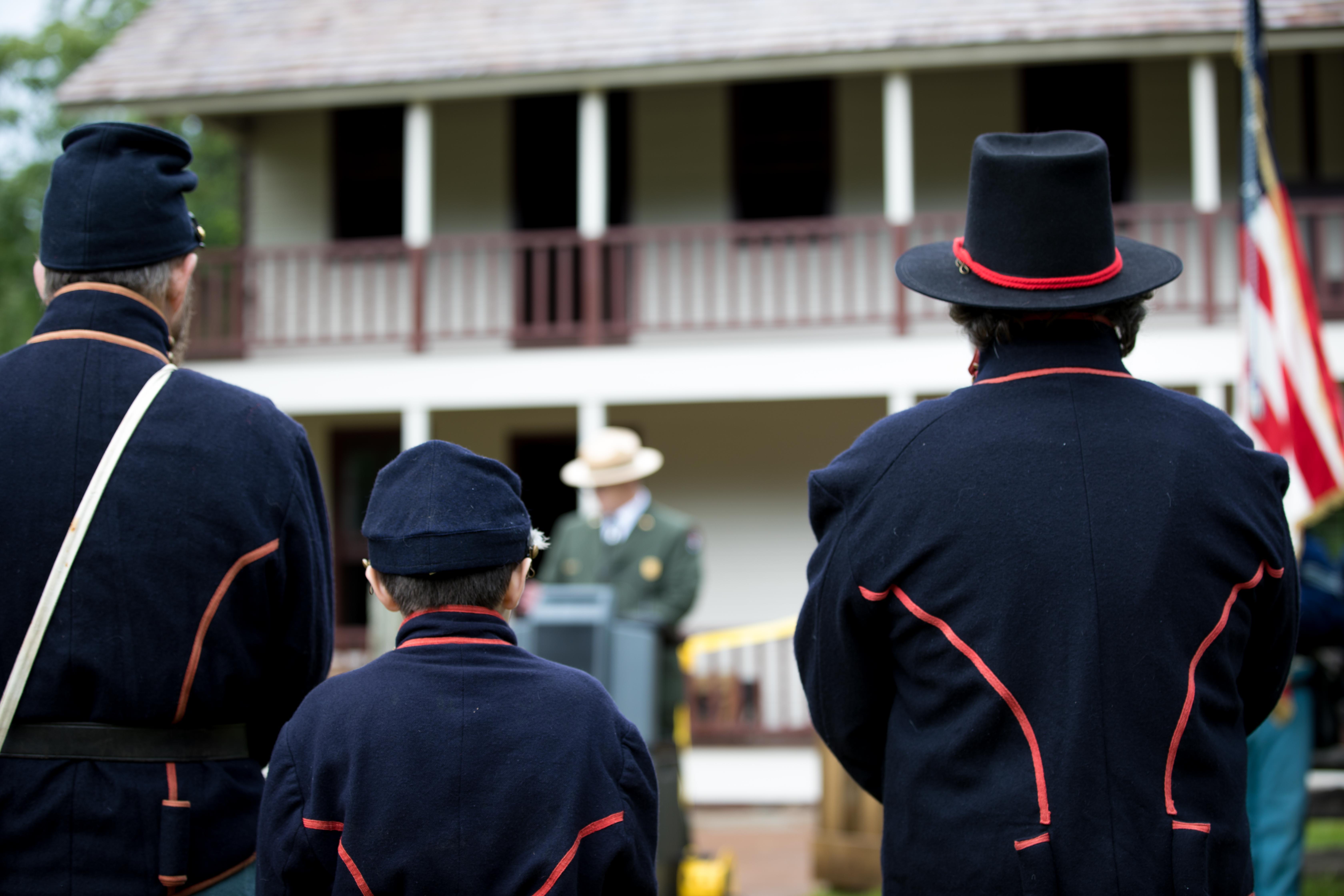
Battle of Pea Ridge 150th Anniversary Commemoration

For more information on the March events in honor of the 150th anniversary of the Battle of Pea Ridge, see the Park Events page.

Curtis

Did Great Great Grandpa Fight in the War?

Do you know if one of your ancestors fought in the Civil War? The National Park Service has developed a great tool listing millions of soldiers both North and South. Try it and see if your Great-Great Grandfather fought in the war. Civil War Soldiers and Sailors System.

 
BI-Clouds-Weather

Weather at Pea Ridge

Check the NOAA website for today's weather at Pea Ridge NMP
 
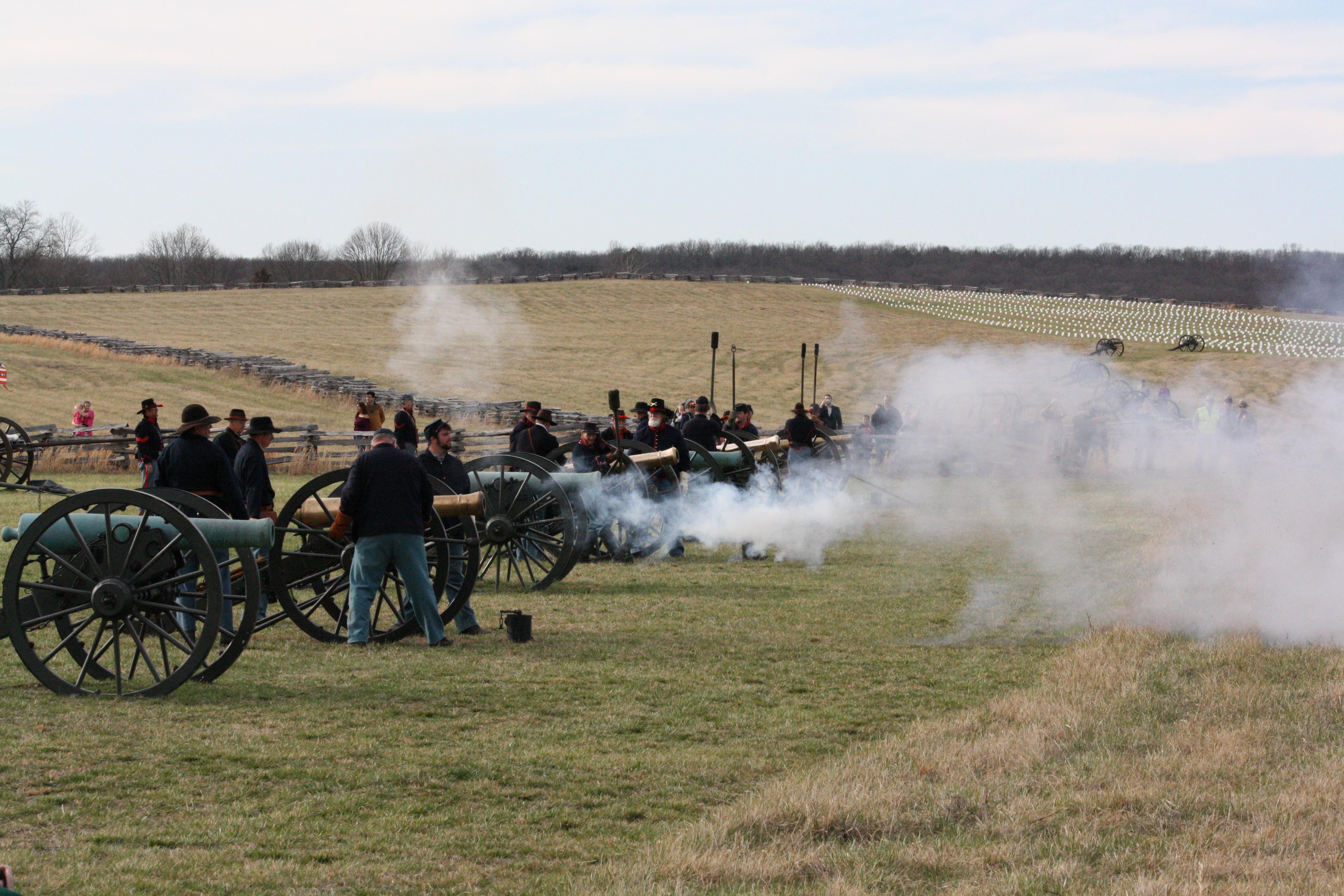
Cannon dawn

Pea Ridge In Depth

The Battle of Pea Ridge is a very complex story. To learn more about the battle and those who fought here, please explore the Pea Ridge National Military Park site here.


Write to

Pea Ridge NMP
15930 E Highway 62
Garfield, AR 72732

E-mail Us

Phone

Visitor Center
(479) 451-8122 ext. 227

Fax

(479) 451-0219

Climate

The park is situated in Benton County, in extreme northwestern Arkansas. Winters are generally mild with average low temperatures around 35 degrees. Occasional fronts may cause extremes in low temperatures, with heavy precipitation. Summers are generally hot and humid with average highs in the 90 degree range. Fall and spring are comparable transition seasons with very comfortable temperatures and abundant precipitation. Sudden thunderstorms, lightning, hail and tornado conditions are prevalent during spring and summer weather patterns.
Skip to SearchSkip to NavigationSkip to BodySkip to Footer

Last Updated: January 11, 2012 at 13:01 MST

CANCEL

You are exiting the National Park Service website

Thank you for visiting our site.

You will now be redirected to:

We hope your visit was informative and enjoyable.