



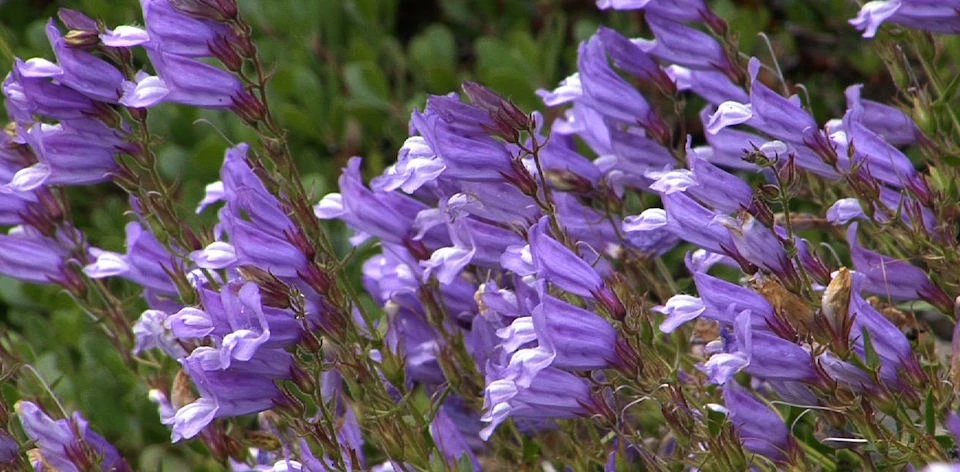
NPS Photo Mount Rainer's renowned wildflowers bloom for a limited amount of time every year. The "peak" bloom for wildflowers is heavily dependent on weather and precipitation patterns, so accurate predictions are difficult. In most years, many flowers will be blooming by mid-July, and by the first of August the meadows should be very impressive. Frost can occur by late August, but even after light frosts the meadows continue to be very beautiful, thanks to changing leaf colors and seed pod development that take the place of colorful blossoms. For a better idea of what the wildflowers are doing this year, please see the Currently Blooming section below, which summarizes what's blooming where. Explore further:
| ||||||||||

NPS Photo Currently BloomingLast Updated: September 3, 2026 Wildflower Reports
| ||||||||||

NPS Photo Wildflower PhotosThe photos featured here are usually taken by park staff and volunteers from all over the park. Share your own wildflower photos in the Mount Rainier Flickr group! Higher resolution versions of wildflower photos are available on Mount Rainier's Flickr page. Plan Your VisitParadise and Sunrise are two of the main visitor center areas at Mount Rainier National Park. Both areas are well known for their impressive wildflower meadows. The park also maintains dozens of trails perfect for wildflower viewing. | ||||||||||
Last updated: September 3, 2026