
Skip to SearchSkip to NavigationSkip to BodySkip to Footer
National Park Service LogoU.S. Department of the InteriorNational Park ServiceNational Park Service
National Park Service:  U.S. Department of the InteriorNational Park Service Arrowhead
Lake Mead National Recreation AreaRanger on Lake Mead
view map
text size:largestlargernormal
printer friendly

Fee-Free Weekends!

June 20-21, July 18-19 and August 15-16. Visitors who arrive on these days will receive a free day use pass valid for that day only. Waiver applies to entrance and lake use fees only.

Lake Mead National Recreation Area

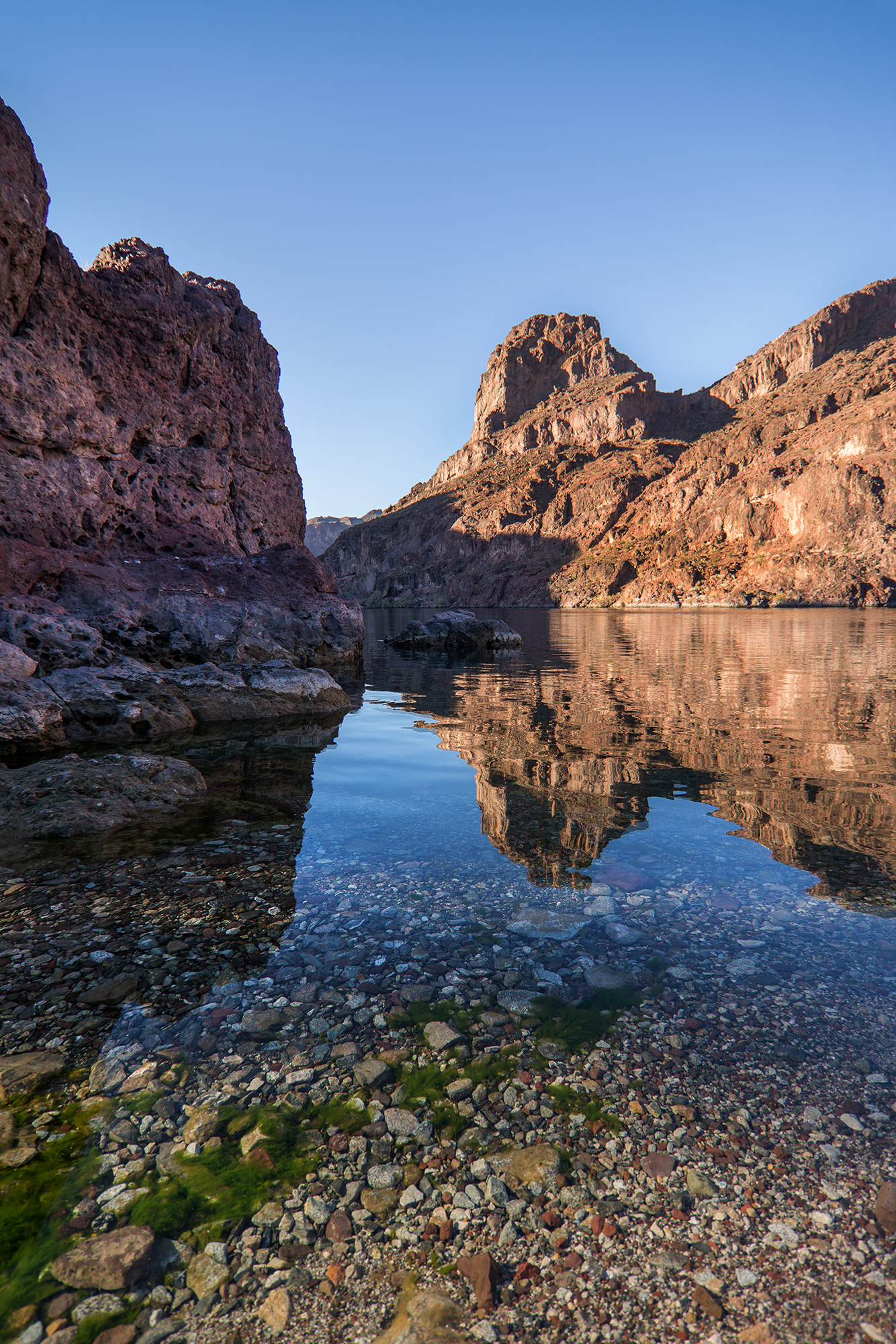
Lake Mead National Recreation Area offers a wealth of things to do and places to go year-round. Its huge lakes cater to boaters, swimmers, sunbathers, and fishermen while its desert rewards hikers, wildlife photographers, and roadside sightseers. It is also home to thousands of desert plants and animals, adapted to survive in an extreme place where rain is scarce and temperatures soar.


Child with lifejacket playing in the Lake

Fun in the Sun!

Cool off this summer with the clear waters of Lake Mead. Remember to watch your children and always wear a lifejacket. We are a fun and busy place!


Write to

601 Nevada Way
Boulder City, NV 89005

E-mail Us

Phone

Alan Bible Visitor Center
(702) 293-8990

Park Information Desk
(702) 293-8906

Fax

(702) 293-8936

Climate

One of the many aspects of the Lake Mead National Recreation Area that continually draws visitors is its good weather. Many people come just to relax in the land of the sun. Refugees from states hit hard by winter's icy clutch often flee to this area to spend a mild winter. Sunbathers and water skiers spend summers here to toast in the 110 degree F plus temperatures. The area generally has less than five inches of annual rainfall. Water temperatures may range from 45 degrees F. to 85 degrees F.
more...
Skip to SearchSkip to NavigationSkip to BodySkip to Footer
Joshua Trees  

Did You Know?
Joshua trees are the largest of the yuccas, growing to 35 feet tall. They are among the oldest plants in the desert; some over 1,000 years old.

Last Updated: June 19, 2009 at 14:16 EST