




NPS/K. Lewandowski The Lake Clark area is special for its diversity of flowers, plants, trees, and lichen in a relatively small area. Four of the five biotic communities found in Alaska - coastal, lakes/rivers/wetlands, tundra, and forest - exist in the park. For more information on the flowers, plants and trees found in the Lake Clark National Park and Preserve, visit the following websites:
Visit our keyboard shortcuts docs for details
SWAN Biological Science Technician Emily shares her work and insight about the plants that make the Lake Clark's coastal sedge meadows. These salt marshes are a small portion of the park (roughly 1%) but they are an important resource for wildlife including the coastal Alaskan brown bear. See a list of the park's vasular plants using the NPSpecies tool below.Select a Park:Select a Species Category (optional):
Search results will be displayed here.
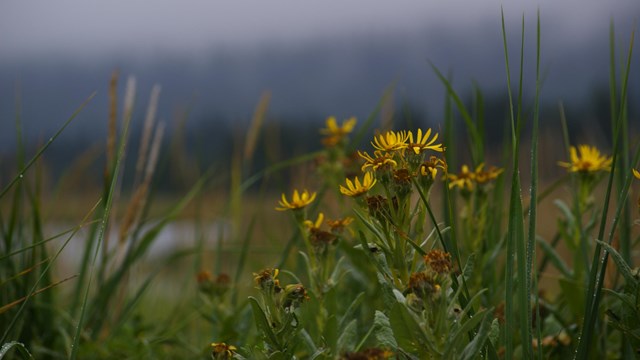
Checklist: Common Salt Marsh Plants
Brush up your knowledge of common sedges, grasses, flowers, and other plants of the Cook Inlet Coast. 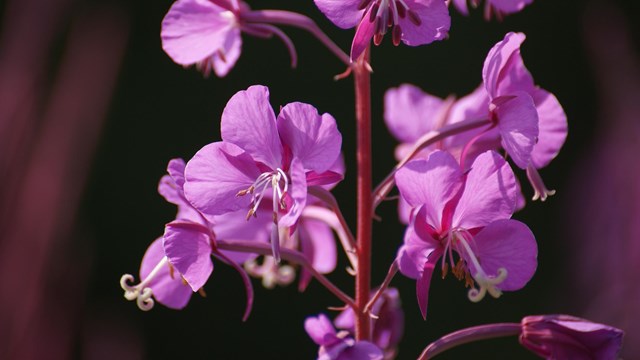
Common Showy Flowers of Cook Inlet
Look closer at common showy flowers to learn how to identify and where to find them. 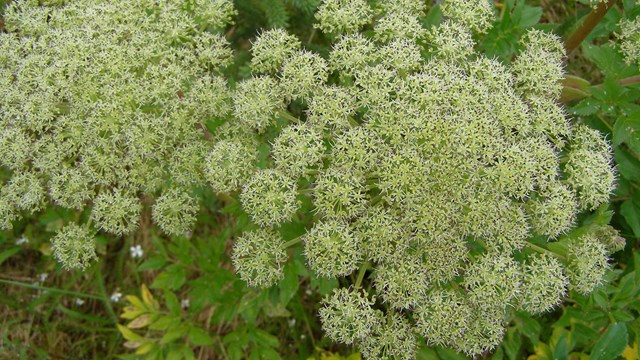
Sedges and Grasses of Cook Inlet
Get a closer look at common salt marsh sedges and grasses and how to identify them. 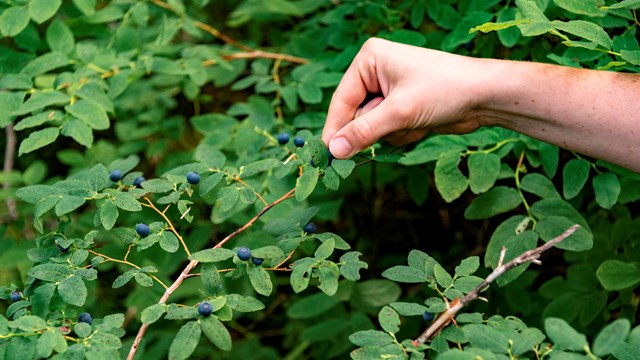
Subsistence: Plant Harvesting
Harvest more knowledge on the traditional use of local plants. 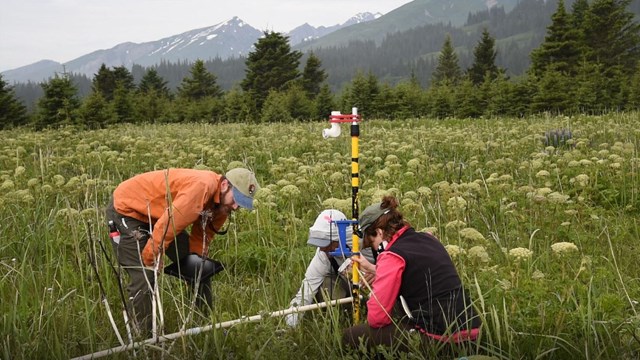
Salt Marsh Monitoring: A Closer Look
Join NPS Scientists as they monitor plants along the Lake Clark Coast. 
The Dena'ina Way of Making a Basket
Respected Dena’ina elder Helen Dick from Lime Village teaches the traditional process of making a birch bark basket. |
 |
|
Last updated: December 16, 2020