
Skip to SearchSkip to NavigationSkip to BodySkip to Footer
National Park Service LogoU.S. Department of the InteriorNational Park ServiceNational Park Service
National Park Service:  U.S. Department of the InteriorNational Park Service Arrowhead
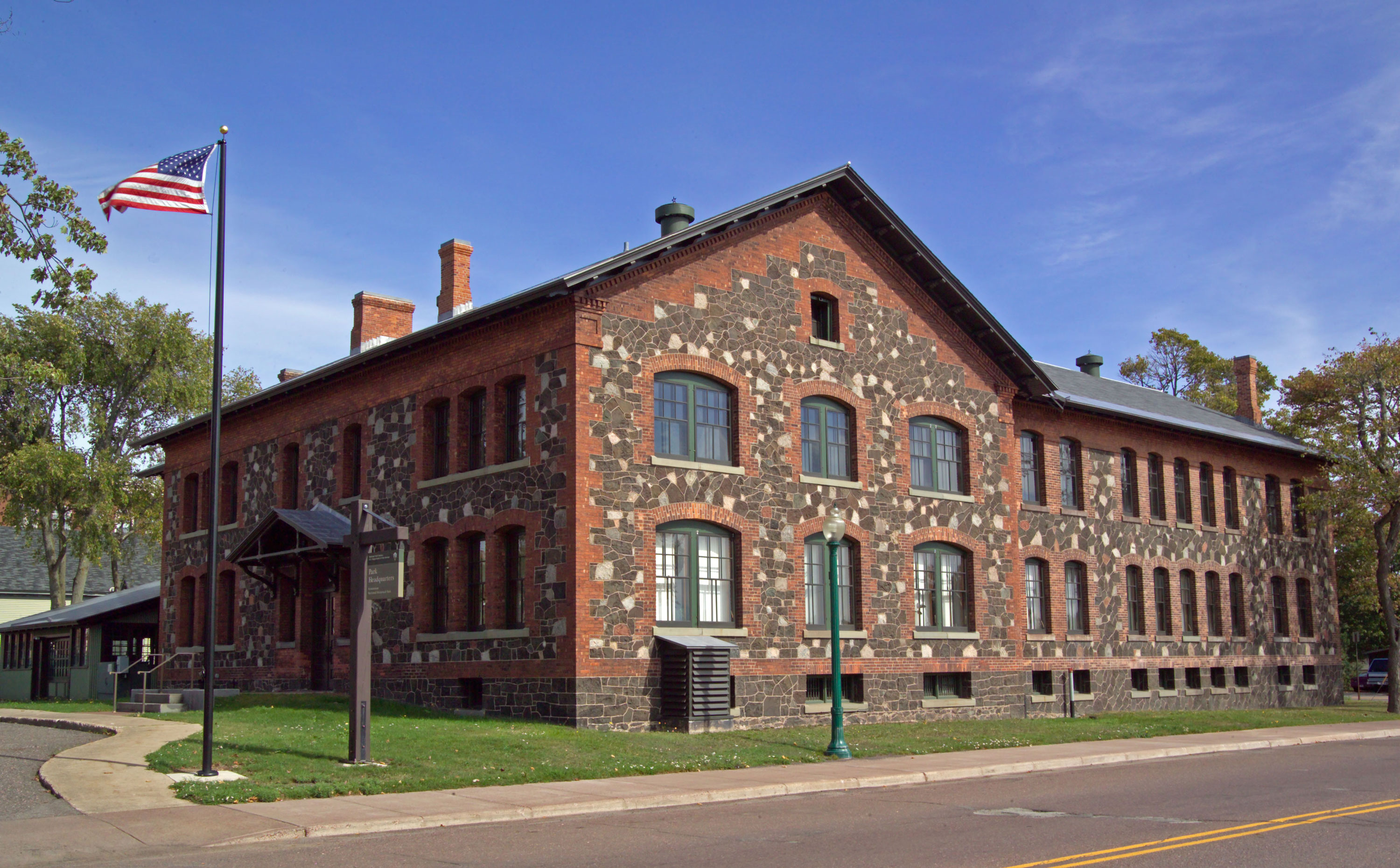
Keweenaw National Historical Park Managers at the Quincy Mine Office oversaw daily operations at the Quincy Mine.
view map
text size: largest larger normal
printer friendly

Keweenaw's Copper Story

From 7,000 years ago to the 1900s people mined Keweenaw copper. Native peoples made copper into tools and trade items. Investors and immigrants arrived in the 1800s in a great mineral rush, developing thriving industries and cosmopolitan communities. Though the mines have since closed, their mark is still visible on the land and people.

 
compressed - exhibit install 636

Calumet Visitor Center at the Union Building Winter Operating Hours

On Thursday, October 27, 2011, the National Park Service celebrated the grand opening of the Calumet Visitor Center. The new visitor facility is operating on a winter schedule, open Thursday - Saturday now until mid May from 9:00am - 5:00pm. 

The facility is free to all individuals and groups and includes two floors of fully accessible interpretive exhibits.

Visitors may spend anywhere from a half hour to several hours touring the facility. On display are over two hundred artifacts and objects, many on loan from local heritage organizations like the Houghton County Historical Society and the Finnish American Heritage Center. There are also hundreds of photographs that be viewed throughout the exhibits, courtesy of the Michigan Technological University Archives and Copper Country Historical Collections and the photo collection of Keweenaw National Historical Park. There is also a visitor information desk where park rangers will answer questions and provide further insight into the exhibits.


Keweenaw Heritage Sites

Dozens of cultural sites along the length of the Keweenaw Peninsula, inside and outside official park boundaries, contribute to the park story, including historic districts and nineteen official Keweenaw Heritage Site partners. Together the National Park Service and partner sites preserve and interpret the stories associated with the mining history. Many of these sites provide tours or exhibits to help you learn more about our heritage. Each Keweenaw Heritage Site is independently owned and operated.
more...
 

Calumet Visitor Center Project

In 2010, the park received funding to begin the rehabilitation of the interior of the historic Union Building in Calumet and the fabrication of exhibits to interpret the social story of the community. The visitor center is expected to open in the Fall of 2011. This will be the first National Park Service visitor center at Keweenaw National Historical Park. Find out more about this project including updates on its status.


more...
 

Follow Keweenaw NHP on Facebook

Want to get the latest scoop on what is going on at Keweenaw National Historical Park? Follow park happenings in real time at KeweenawNHP on www.facebook.com/KeweenawNHP


more...


Write to

25970 Red Jacket Road
Calumet, Michigan 49913-2948

E-mail Us

Phone

Park Headquarters
(906) 337-3168

Fax

(906) 337-3169

Climate

Lake Superior controls the Keweenaw Peninsula climate. Spring is brief, damp and cool. Summer is sunny and mild with daytime highs in the 70s F near the lake and warmer inland. Fall arrives early in September with mild days and crisp nights. Winter appears with the first accumulating snow, often in mid-November. Snow blankets the ground from Thanksgiving to late April. Average annual snowfall ranges from 180 to over 300 inches. Besides creating heavy snowfall, Lake Superior moderates winter temperatures, keeping the peninsula milder than surrounding areas.
Skip to SearchSkip to NavigationSkip to BodySkip to Footer
Autumn leaves provide a backdrop for the Quincy Smelting Works located along Portage Lake across from Houghton, Michigan.

Did You Know?
The Quincy Smelting Works is the only copper smelter in the Great Lakes region still standing in substantial condition. It reflects the technology of the time, the industrial processes critical to the industry and the workplace of the people who produced copper for industrial and domestic uses.
more...

Last Updated: October 12, 2011 at 13:55 MST

CANCEL

You are exiting the National Park Service website

Thank you for visiting our site.

You will now be redirected to:

We hope your visit was informative and enjoyable.